13.
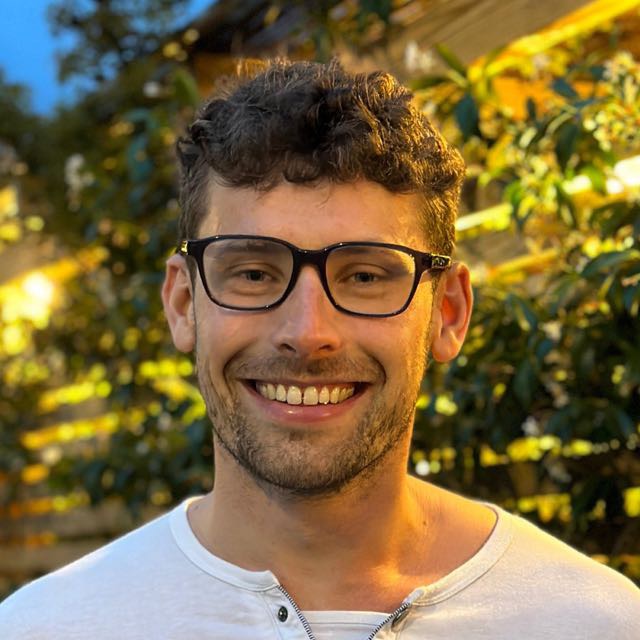
William Kenyon
Individual donor
A donor realises that funding what he’s passionate about allows him to stick with it for the long-term
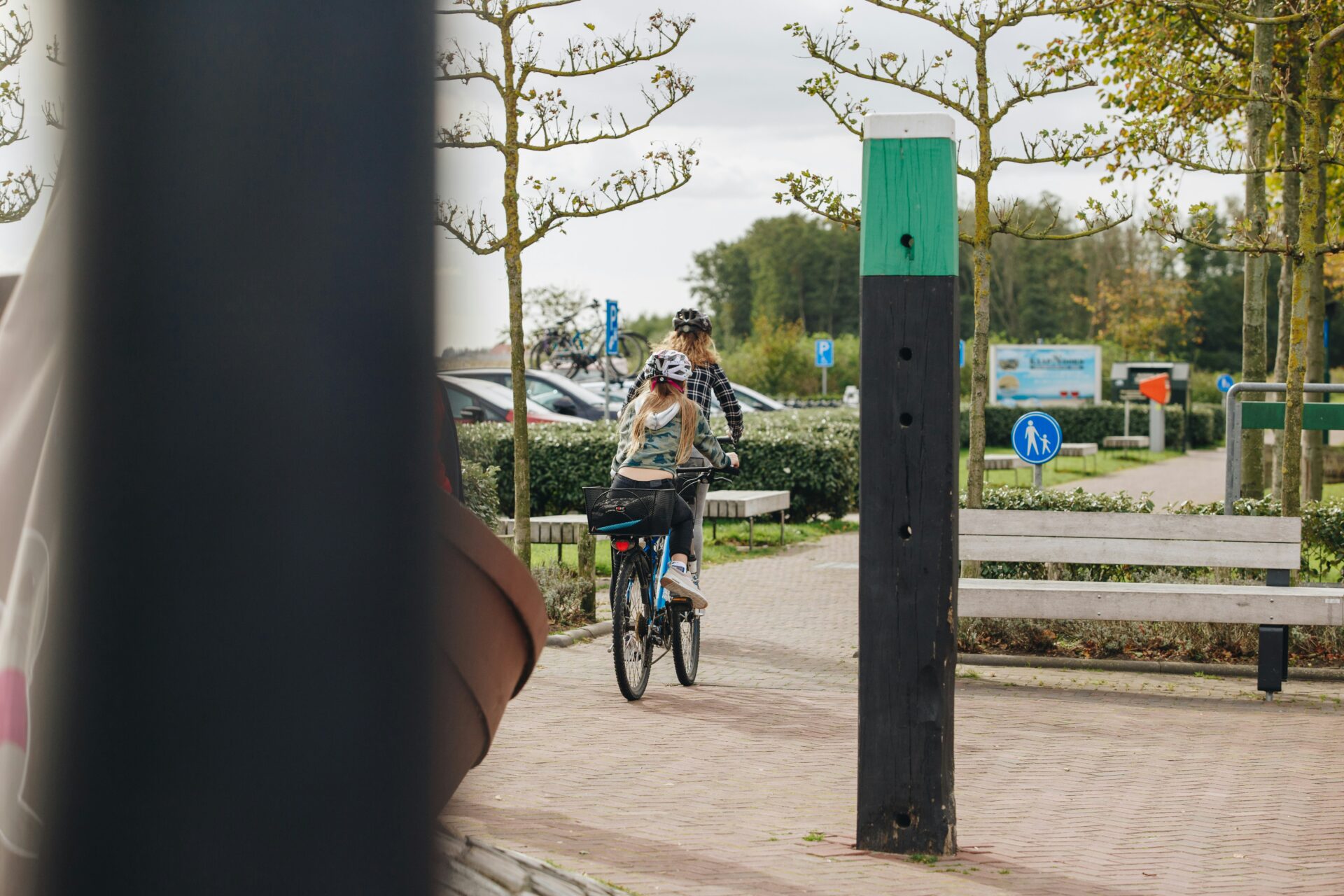
I grew up in the north of England, near Lancaster. From the age of about five, I cycled to school. When I went to the local comprehensive, though, I no longer could. There was a lovely cycle path for about half the route, but for the other half of the journey you had to go along a very busy main road. My mum had been campaigning to get this cycle path to connect with more villages farther up the valley, but it proved very difficult. It meant that kids were much more car-dependent (and dependent on their parents) than they would otherwise have been, plus they weren’t exercising and getting outside as much.
I ended up doing well in my exams and going to Cambridge and while there I heard about ‘effective altruism’. This was around 2010, and it was something a lot of people were talking about. There was this idea that if you wanted to have an impact, you could go and work in the charity sector, or you could go and get a highly-paid job – ideally a ‘neutral’ one that was at least not harmful – and then you could live off some of that income but give the rest away. For some reason this really struck a chord with me. When you’re 18, 20 years old, you’re very interested in ethics, perhaps more than older adults who have become a bit jaded. Kids want to understand the world, to make sense of it, to figure out their place in it and do something good within it.
I was into computer programming, so I decided to get a job in finance. I’ve been at the same firm for 12 years. Initially I would give my excess money to the kinds of effective altruist causes that were popular at the time. They’re probably still popular: things like malaria; things that were underfunded; things that would have the most impact for the money given.
I still do that kind of thing, but I’ve mostly shifted to supporting projects that have more of an impact for me personally; things I’m more excited about. The thing about the effective altruism approach is that there’s a philosophy that all your money should be going directly into charitable activity, so there are no donor relations. That’s great, but it can lead to donors not feeling particularly engaged, which I suppose is what happened to me.
Kids want to understand the world, to make sense of it, to figure out their place in it and do something good within it.”
Returning to my passion
One day I was driving along the road near my parents’ village with my dad, and I was looking out at this disused railway in the fields right next to the road, and thinking how perfect it would be as a cycle path – the one I had really wanted as a teenager to get to school. It was almost taunting me. I thought, ‘What am I doing? I should be trying to put my money into this thing that I actually feel really passionate about.’
So that’s what I did. I approached Sustrans (now Walk Wheel Cycle Trust) about converting that disused railway line into a cycle path. They agreed to do all the work to try to make it happen. They’ve done a lot in terms of negotiating with landowners, design, route planning, getting the path on board with the council. There is so much bureaucracy involved with these things – if I was more involved in the day-to-day of it, I would find it incredibly frustrating, but they do all of that.
Walk Wheel Cycle Trust have made good progress: they have 100 percent support from landowners, for example (or at least there are no landowners who are completely against the idea; there might be some undecided). That’s a big achievement! Landowner objections are one of the biggest obstacles to creating paths like this. If suddenly there’s a push for more active travel, the government (whether local or national) is going to prioritise building the projects that are shovel-ready, and the Trust have done a good job of making this project as shovel-ready as possible. They’ve also done a cost-benefit analysis that shows that, in terms of economic benefits, you should get three times more out of the cycle path than what you pay to build it.
But even after eight years of working on it, I’m aware it’s not guaranteed the cycle path will ever get built. My mother campaigned for this for 15 years. She wasn’t able to put any money into it, but she was very good at bringing people together, and drumming up support for things. So I knew it wasn’t going to be easy; I was ready for it to take a long time. We’re trying to create 40km of paths. If we manage eight or so in the next ten years, I will be very happy with that. It seems inconsequential, but for the people who live there, that’s three villages connected with each other and with the nearest town. Right now it’s really difficult even to walk between them. It would be a really special thing. If we could then get the wider network of paths going, that would be the cherry on top, but that’s a much longer project, maybe 20 years. I’m only 34, so hopefully I’ll be alive to see all this happen.
I’m obviously never going to be a kid again; I’m never going to need this cycle path to get to school. I could be funding a cycle path anywhere in the country. But the fact that this is at home, where I grew up, makes it a lot more important and special to me.
So it turns out I’m not much of an effective altruist, I’m more of a passionate altruist.
The thing about the effective altruism approach is that there’s a philosophy that all your money should be going directly into
charitable activity, so there are no donor relations. That’s great, but it can lead to donors not feeling particularly engaged, which I suppose is what happened to me.”
It turns out I’m not much of an effective altruist, I’m more of a passionate altruist.”
Reflections of a passionate altruist
The company I work for has a large foundation. I really like working at the firm because that foundation could make a huge difference in climate on a much bigger scale. What I’m doing is a very local thing, it’s never going to move the dial on climate change. It’s more about helping people in the area where I grew up to be able to make environmental choices if they want to. The firm’s foundation is much more effective than this, in terms of global impact. I’m too much of a small fly to be able to do anything like that, so I focus where I can.
I’ve made mistakes over the years. I tend to be a bit easy come, easy go. If I have money I give it quite freely. I’ve overstretched myself. In one instance, I gave several years of funding in one go to Walk Wheel Cycle Trust. I suppose if, instead, I’d put some of that money into the fund at my firm, it would have earned high returns and I could have given more to the charity subsequently. But if I’d done that, the Trust wouldn’t necessarily have been able to trust that I would give them further funding later on. By giving them this lump sum, it enabled them to be absolutely sure they could invest in the project with a long-term view.
I’d always encourage others to donate to a cause they care about. There’s only so much money that you need for yourself. Anyone who’s thinking about donating has probably figured out that they get diminishing returns on their income. You can always buy a nicer car, and a nicer house, and all that sort of stuff. But, at some point, you’ll probably realise that you’re not getting much more out of it, and you’re probably spoiling your kids and ruining their lives! This is definitely a personal thing, but the people I feel sorry for most in the world are people who’ve been born into wealth. It’s so hard not to ruin them, no matter how hard you try. So I would say, give all your money away to protect your kids, if anything! Give them a good life by giving your money away.
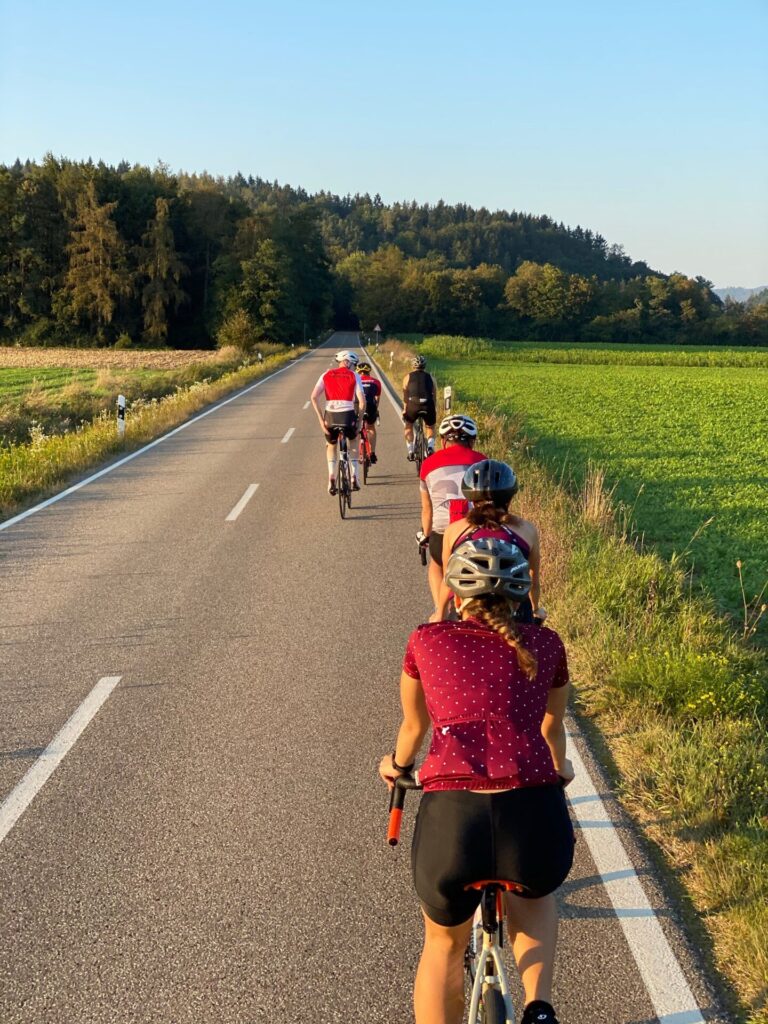
I gave several years of funding in one go to Walk Wheel Cycle Trust. If, instead, that money had earned high returns, I could have given the more to the charity subsequently. But by giving them this lump sum, it enabled the Trust to be absolutely sure they could invest in the project with a long-term view.”
Interviews
Nick Oldridge
Individual Donor
A donor sees the need for a different type of climate communications
Sonal Sachdev Patel
CEO, GMSP Foundation
A family supporting the grassroots.
Ben Goldsmith
Chair, Conservation Collective; Trustee, Children’s Investment Fund Foundation
A lifetime championing nature
Eli Manderson Evans
CEO, Blagrave Trust
A youth funder recognises the urgent need to address climate change
Leonie Taylor
Trustee, Taylor Family Foundation, and individual donor
A donor faces the origins of her wealth
Sufina Ahmad
Director, John Ellerman Foundation
A foundation shifts from funding individual issues to focus on systemic change
Lauren Gupta & Becky Holmes
Co-founders (with Bill Holmes), The Helvellyn Foundation
Next generation donors with a passion for wildlife and trust in their partners
Sophie & Nick Marple
Co-Founders, Gower Street
A couple deploys their wealth to tackle the climate crisis
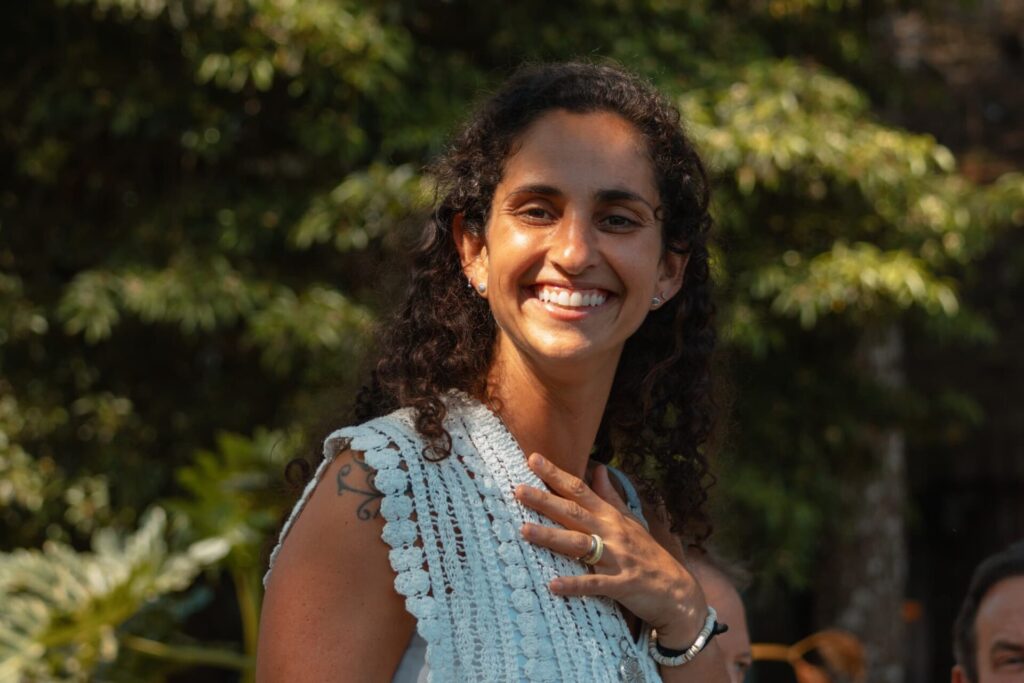
Renata Minerbo
Co-Founder with Seth Tabatznik, Be the Earth Foundation
A family foundation supports the shift to an eco-centric economy
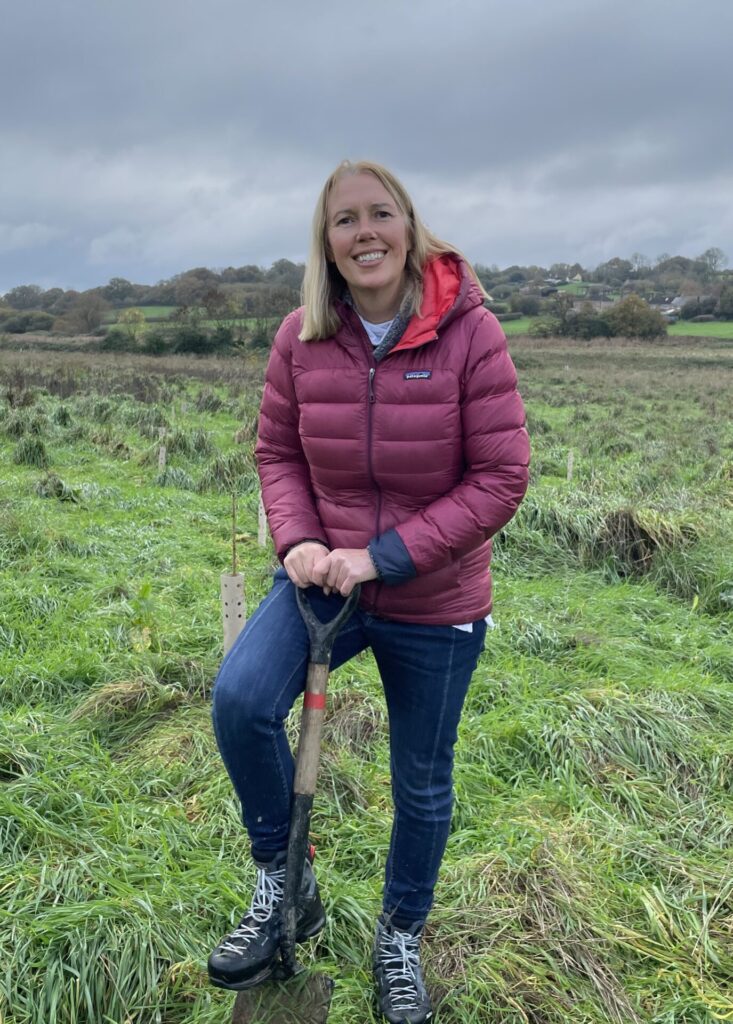
Julia Davies
Founder, We Have The POWER
A donor directs her wealth and legal expertise towards transformative change
Jon Cracknell
Trust Secretary, The Ecology Trust
A long-time funder shares his reflections on where the environment movement is succeeding and what funders could do differently
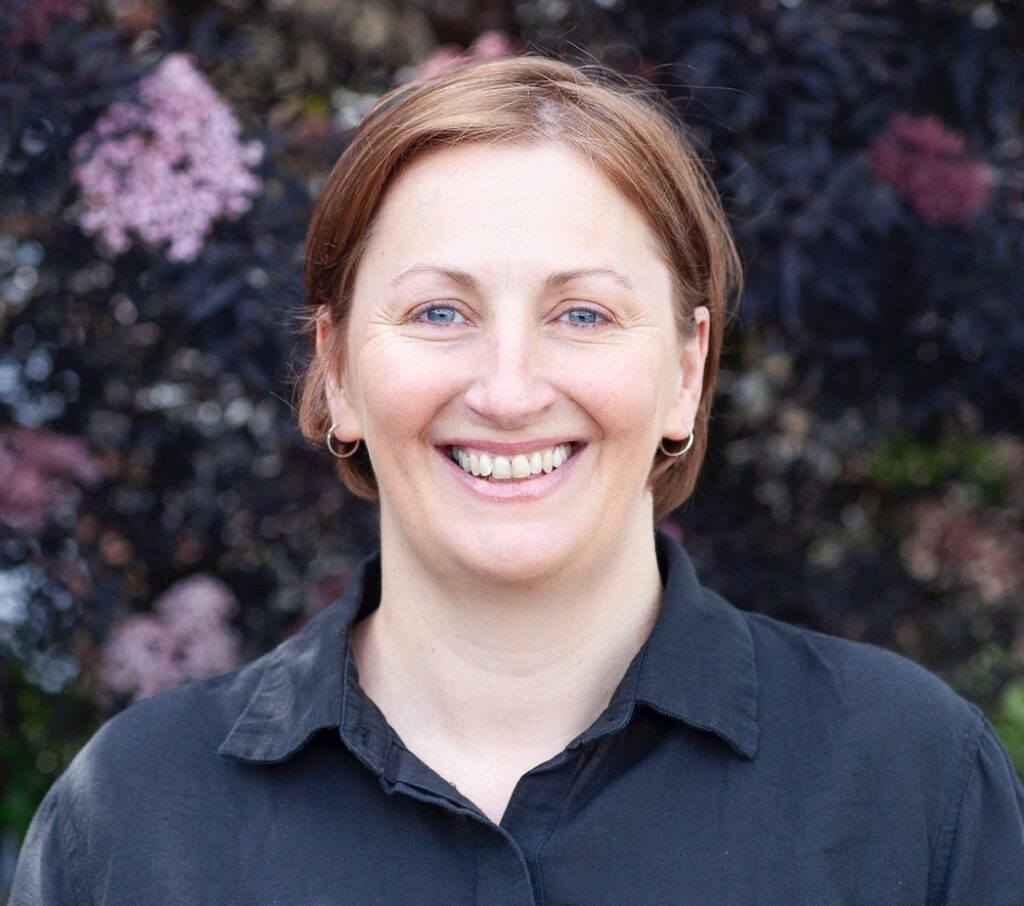
Christine Oliver
Trust Secretary, Polden-Puckham Charitable Foundation
A foundation spends down its funds to meet the challenge of this moment
William Kenyon
Individual donor
A donor realises that funding what he’s passionate about allows him to stick with it for the long-term
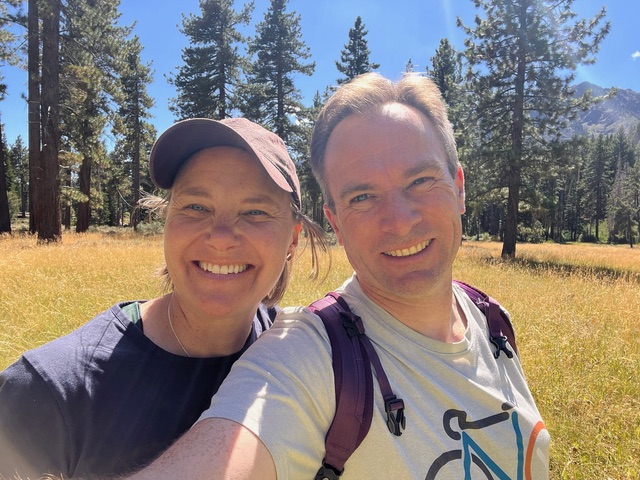
Stephanie & Stuart Mills
Co-Founders, Practical Acts
A couple mobilises the spectrum of their wealth to support the environment
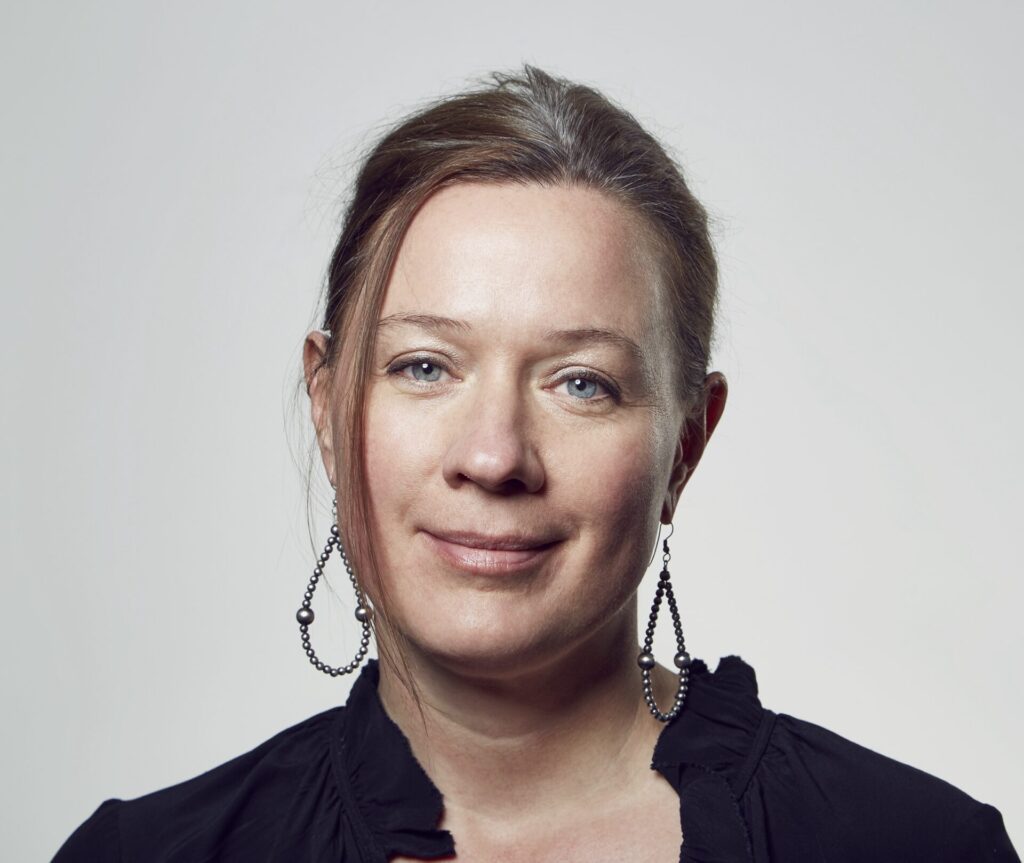
Jessica Sweidan
Co-Founder, Synchronicity Earth
A foundation helps other donors protect life on earth