06.
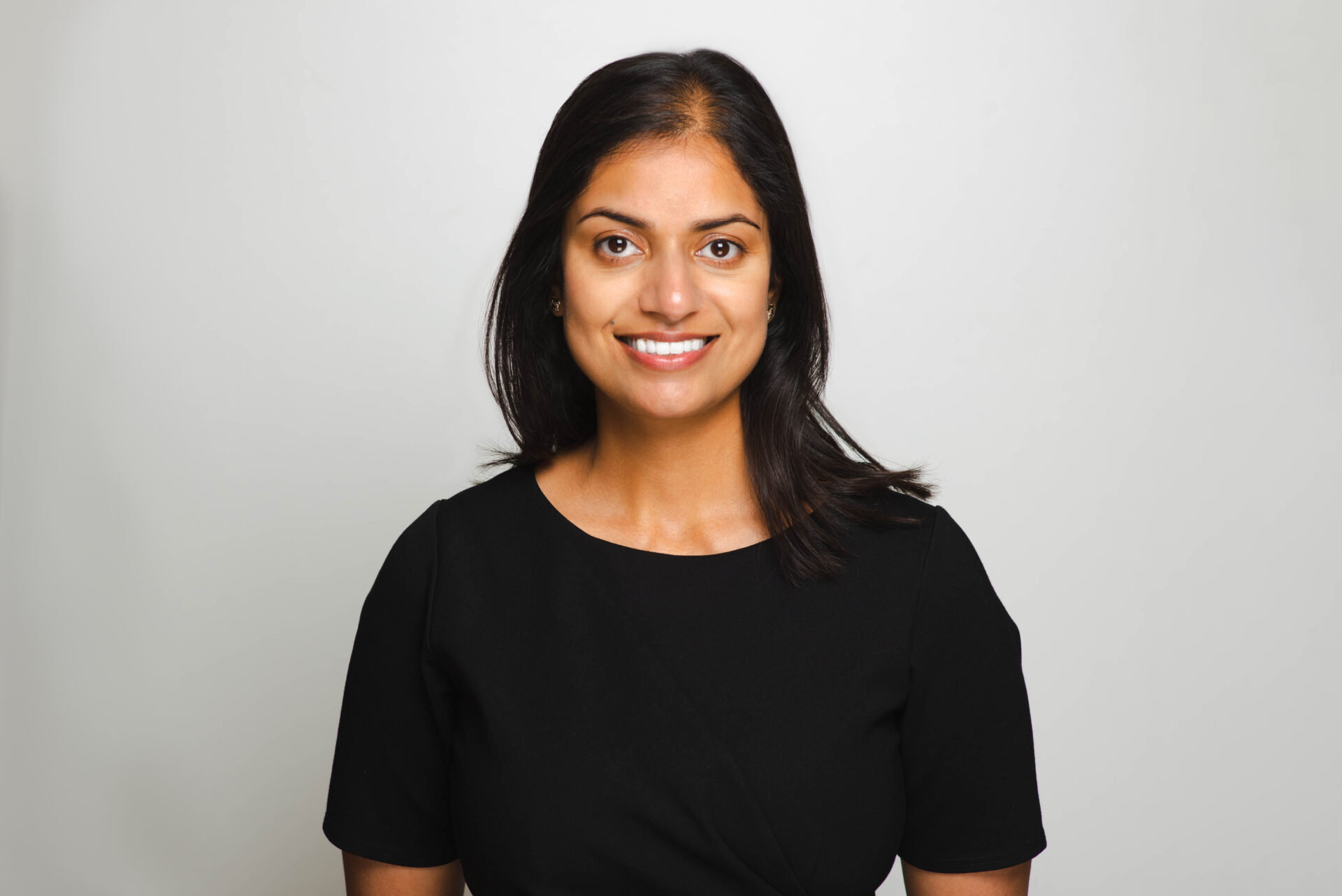
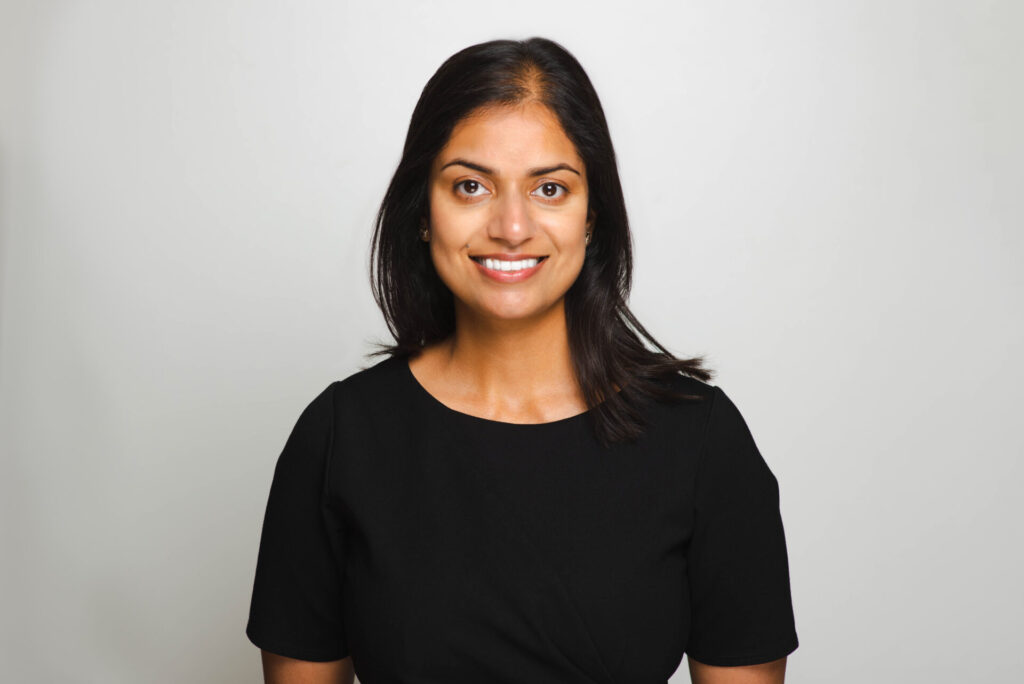
Sufina Ahmad
Director, John Ellerman Foundation
A foundation shifts from funding individual issues to focus on systemic change
I’ve been Director of the foundation since January 2020. Previously I had worked in health and social care and at different foundations. My role before this was in corporate strategy and performance at the City of London Corporation, where, as part of my brief, I led on their climate action strategy.
I was drawn to John Ellerman Foundation because the funding areas were aligned with my personal interests of arts, social action and the environment. I also really wanted to see, because it was something I’d started at the City, whether it was possible to invest in ways that were ethical and environmentally responsible. The foundation has an endowment, so it felt like a real opportunity to try and put some of those ideas that were quite nascent at the time into action. That’s been a clear focus over the last six years: being the best grantmaker and investor we can be and trying to operate as an organisation with a real focus on transparency, accountability and effectiveness.
We’re not the biggest funder, but we have a real desire to show that even when you are not the biggest, you can add value and make a difference, and that there is a methodology to that.
We have a real desire to show that even when you are not the biggest, you can add value and make a difference.”
Tell me about John Ellerman Foundation’s environmental funding. How has it been changing recently?
The Foundation was set up in 1971. It’s had a very established environmental funding programme for most of this century.
Previously, we primarily supported conservation – direct delivery work. Over the last five or six years, we’ve supported a combination of direct delivery conservation, as well as policy, advocacy and campaigning. That was in response to a growing realisation that we could do lots of really thoughtful conservation work, but it was not going to make lasting, mulit-generational impact unless we attended to the policy frameworks that exist and need support and reform.
We distribute about £4-5 million a year. We used to distribute £5-6 million across issue areas, but various factors have reduced that figure, including the high-inflationary environment, our decision to return to being an in-perpetuity foundation, and the volatile returns that endowments are achieving. In our latest strategy review, we recognised that with limited resources we needed to focus. We feel that the most impact we can have is through backing work that is systemic in its thinking and nature, and by backing organisations that have a core focus on change-making.
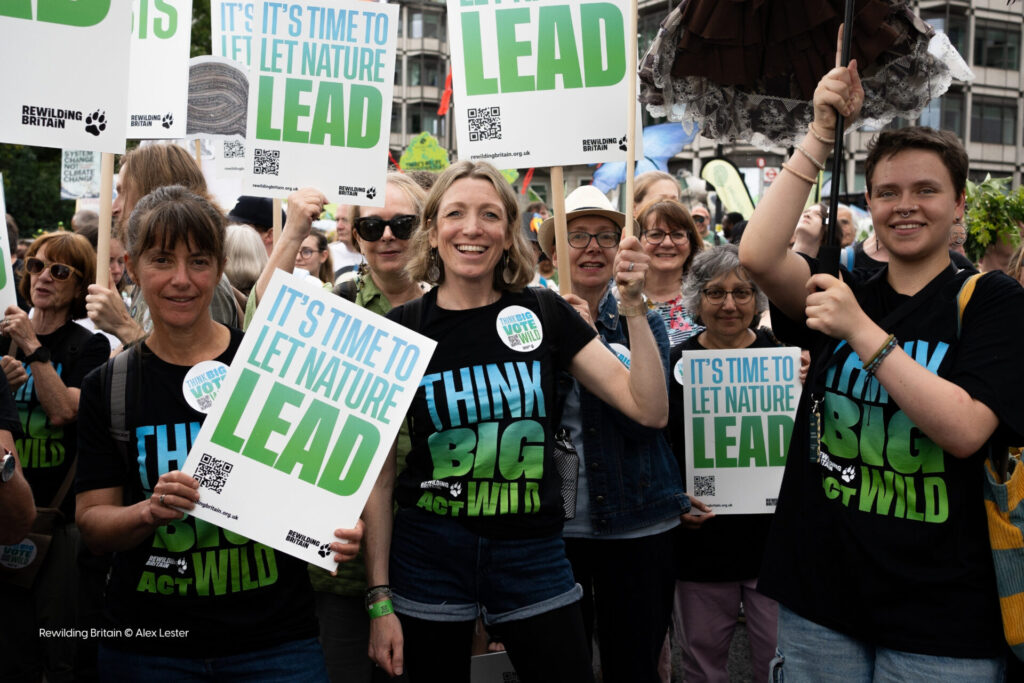
Another way of saying change-making could be campaigning. We are deliberately taking quite a broad-based approach to that, recognising that effective change-making requires ‘insider’ and ‘outsider’ approaches. Insider approaches might be policy and advocacy work with key institutions and regulators like government; outsider approaches might be community organising and that kind of groundswell approach. We want to fund a range of such interventions.
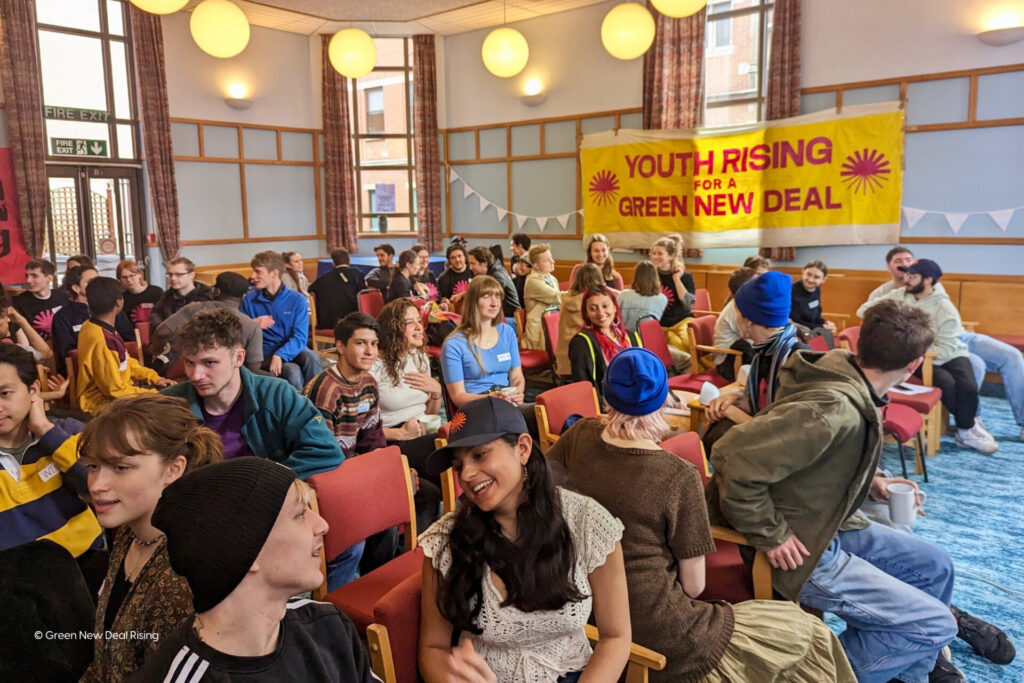
We also want to partner with organisations that understand that caring about the environment is a justice issue, and that not tending to the environmental crises we face has serious implications for people and society as well as the natural world. Inevitably, some parts of the natural world and some parts of society are more impacted than others: it’s very much a justice issue.
We really believe that the best kind of change-making happens when you do it in partnership with people and communities: doing ‘with’ rather than doing ‘to’. We look to work with grant partners for whom change-making is core to what they do, they do it with a justice lens, they do it in partnership with impacted individuals and communities, and they are addressing some part of the triple planetary crisis – i.e. climate, nature and/or pollution.
If you’re backing an organisation that is well-run and set up, then core cost funding should be the only thing that you offer them”.
Why do you focus on core or unrestricted funding?
Sometimes our grants are unrestricted, if that’s what’s requested and we don’t see any reasons not to. But generally our preference is core as it gives us a sense of what the funding is going towards in high level terms. Core and unrestricted funding offers the flexibility organisations need to do their best work. Core costs funding means you’re supporting the overheads, or the way in which work can get done and happen. Things like salaries, rent, bills.
There is a place for project funding, innovation funding, capital funding; all organisations need a range of funding approaches and sources. But we think core funding is where we can offer even more value for money given our grants aren’t going to be the largest. In 2012, we did a research report that showed that charities would be willing to forgo a £100,000 restricted grant in exchange for £72,000 if the grant was unrestricted and can be used for core costs and anything else the organisation feels needs funding.
If you’re backing an organisation that is well-run and set up, then core cost funding should be the only thing that you offer them.
When you are limited in certain ways – whether it’s by the size of your staff team, the size of your budget – then you need to think about how you can add the most value. How you can have the most impact?”
John Ellerman Foundation is one of the few funders that supports conservation in UK Overseas Territories (UKOTs). Why did you decide to start funding in those places?
Part of our ethos is that when you are limited in certain ways – whether it’s by the size of your staff team, the size of your budget, whatever it might be – then you need to think about how you can add the most value; how you can have the most impact.
Investment in environmental work in the UK Overseas Territories is an unparalleled opportunity for impact. Through minimal amounts of funding – since 2012, we’ve distributed about £3 million – we’ve been able to deliver significant things: preventing key species from becoming extinct. Restoring nature over large swathes of land. Restoring mangroves. Protecting and maintaining large areas of marine ecosystems through some of the largest marine protected areas in the world. Backing work that has resulted in really significant policy changes.
Ultimately, whatever your views on why UKOTs are part of the UK, at this time they have essentially chosen to be part of the UK and we therefore have a responsibility to them. Any UK-based funder that cares about conservation should be investing in the UKOTs, because the territories represent 96 percent of the UK’s diversity of species. The UK mainland hosts the remaining four percent. So if conservation is what you care about, then investing only in the four percent and not considering the 96 percent does not make sense.
Because they’re a part of the UK, UKOTs tend to miss out on international sources of funding, both public and private. Similarly, because those of us in the UK are often unclear about their existence, they tend to miss out on UK funding, both public and private. They are truly caught between a rock and a hard place. Yet they have some of the highest and hardest responsibilities, in relation to the climate, nature and pollution crises.
Rallying other funders around this has been painstaking. The argument could not be clearer, and yet it does not seem to resonate. We run a UKOTs Fund as a way of de-risking things, and encourage other funders to contribute to the fund; you can go further, faster, together.
The UKOTs are the ideal space for a funder who is newly trying to get into conservation funding to learn. They are small, but hugely diverse, so if you want to get into practical conservation or restoration work, whether terrestrial or marine, you can do any of those things across any and all of the territories.
How do you consider equity, justice and power dynamics in your giving? You’ve already talked about how it cuts across your new strategy in terms of what you’re funding. What about how you go about your funding?
As funders, we have to think carefully about the kind of paradoxes that we operate in. We are custodians and generators of wealth, and yet that wealth probably underlies a lot of the issues that we’re then trying to manage through our grantmaking.
We have considerable power. We have the protection that wealth offers us. We might have been set up with really worthy intentions, but with processes that perhaps were not as worthy as our intentions. For all of those reasons, you have to understand where you came from, and how that continues to show up in your today and your tomorrow.
We say words like, ‘We want to be a transparent, accountable and effective grantmaker’. But we have to understand: what does transparency look like? What does accountability look like beyond just an annual report and accounts? What does effectiveness look like?
We’re a small organisation, so sometimes we have to outsource some of our thinking. There’s no point in us reinventing things. Institute for Voluntary Action Research (IVAR) has ‘Open and Trusting Grant-Making’ principles, and we feel very aligned to those eight principles. Foundation Practice Rating does assessments around transparency, diversity and accountability which we use.
Sometimes in grantmaking we can be tempted to hide behind this idea that we’re very small and it’s the big ones that should be doing A, B and C to address equity, justice and power dynamics. But there are only about 20 to 100 really big funders, so what does that mean for the other 8,000 of us who are grantmakers? We can’t let ourselves off the hook.
As funders, we have to think carefully about the kind of paradoxes that we operate in. We are custodians and generators of wealth, and yet that wealth probably underlies a lot of the issues that we’re then trying to manage through our grantmaking.”
Let’s talk about aligning your investments with your mission, which you mentioned earlier.
This is one of the areas I feel most pride in. It’s part of taking a ‘total assets’ approach. For John Ellerman Foundation, our overarching aim is to advance wellbeing for people, society and the natural world, and we want to do so with 100 percent of everything we have: our grantmaking, our investing and our wider operations.
The first part of this journey was recognising that our endowment is not there simply to make financial returns, it has to be in service of our overarching aim. It shouldn’t be actively undermining what we’re trying to achieve through our grantmaking.
Initially, we thought responsible investing meant doing direct engagement with underlying holdings that we had, but actually, where we’ve had most impact is trying to change the approach, ethos and strategy of the fund managers who invest on our behalf. That’s where we really focus our efforts.
We’ve also been able to carve out an up to 10 percent allocation around social investing, which includes impact investing. This allows us to be a social investor in relation to the things we care about, so that there is learning and match-up across our grantmaking and our investing.
The last thing I would say on this is about the need to be transparent. Our investment policy and our social investment policy are both public. Each year we’re sharing more about our journey, to help shorten the learning curve for other people. Some of this feels obvious now, but it wasn’t when we were trying to do it.
Our endowment has to be in service of our overarching aim. It shouldn’t be actively undermining what we’re trying to achieve through our grantmaking.”
There is a need to act with urgency, a need to act now, and a need to make tough decisions. I think we should be very explicit in what we’re trying to do and why.”
Finally, if nature was speaking through you, what do you think it would be saying? What would it be saying to other funders?
There is a need to act with urgency, a need to act now, and a need to make tough decisions. We have to move away from some things in order to prioritise other things. We have to make explicit what previously was possibly implicit. I remember in an engagement with different stakeholder groups, someone saying, ‘Just tell us what you actually think, what you care about, what you’re trying to do. Don’t make us guess.’ I think the time for pretence is over. We should be very, very explicit in what we’re trying to do and why.
Interviews
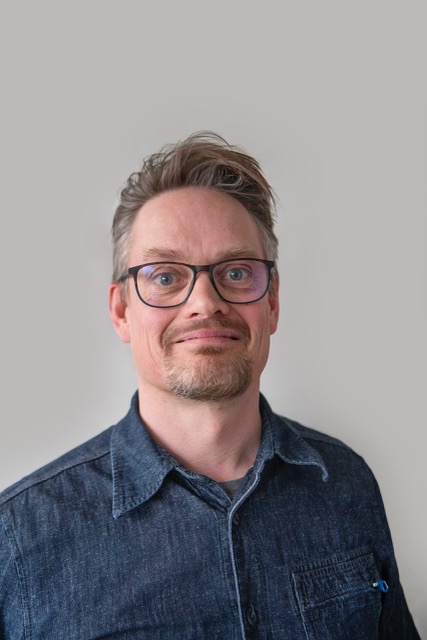
Nick Oldridge
Individual Donor
A donor sees the need for a different type of climate communications
Sonal Sachdev Patel
CEO, GMSP Foundation
A family supporting the grassroots.
Ben Goldsmith
Chair, Conservation Collective; Trustee, Children’s Investment Fund Foundation
A lifetime championing nature
Eli Manderson Evans
CEO, Blagrave Trust
A youth funder recognises the urgent need to address climate change
Leonie Taylor
Trustee, Taylor Family Foundation, and individual donor
A donor faces the origins of her wealth
Sufina Ahmad
Director, John Ellerman Foundation
A foundation shifts from funding individual issues to focus on systemic change
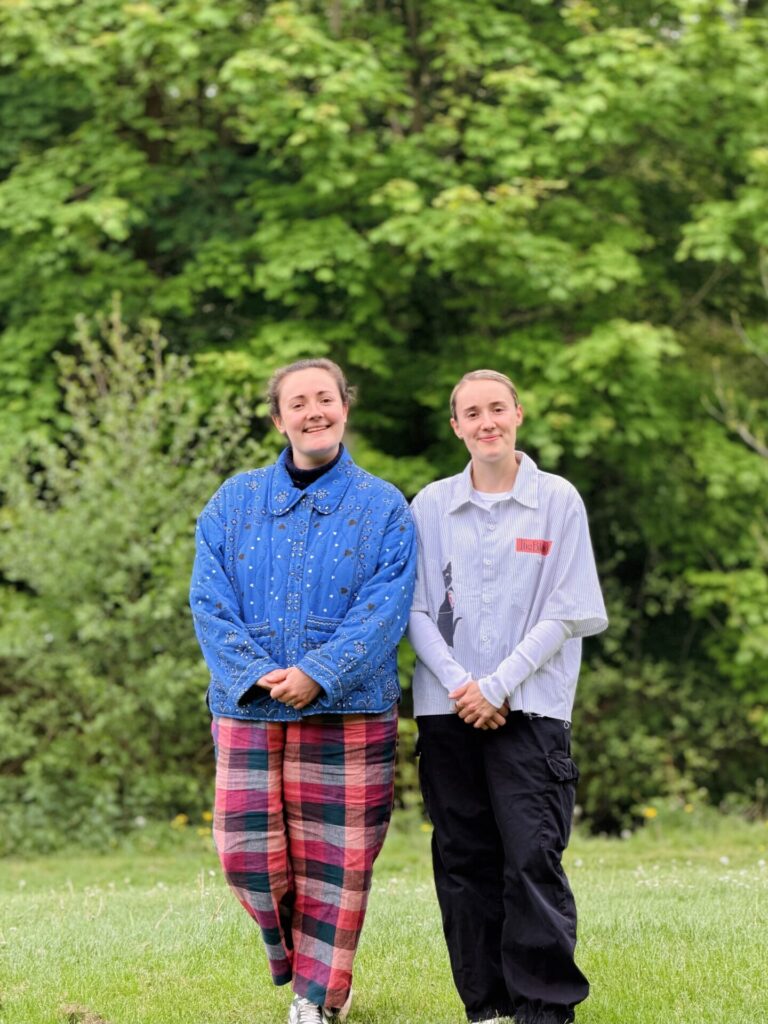
Lauren Gupta & Becky Holmes
Co-founders (with Bill Holmes), The Helvellyn Foundation
Next generation donors with a passion for wildlife and trust in their partners
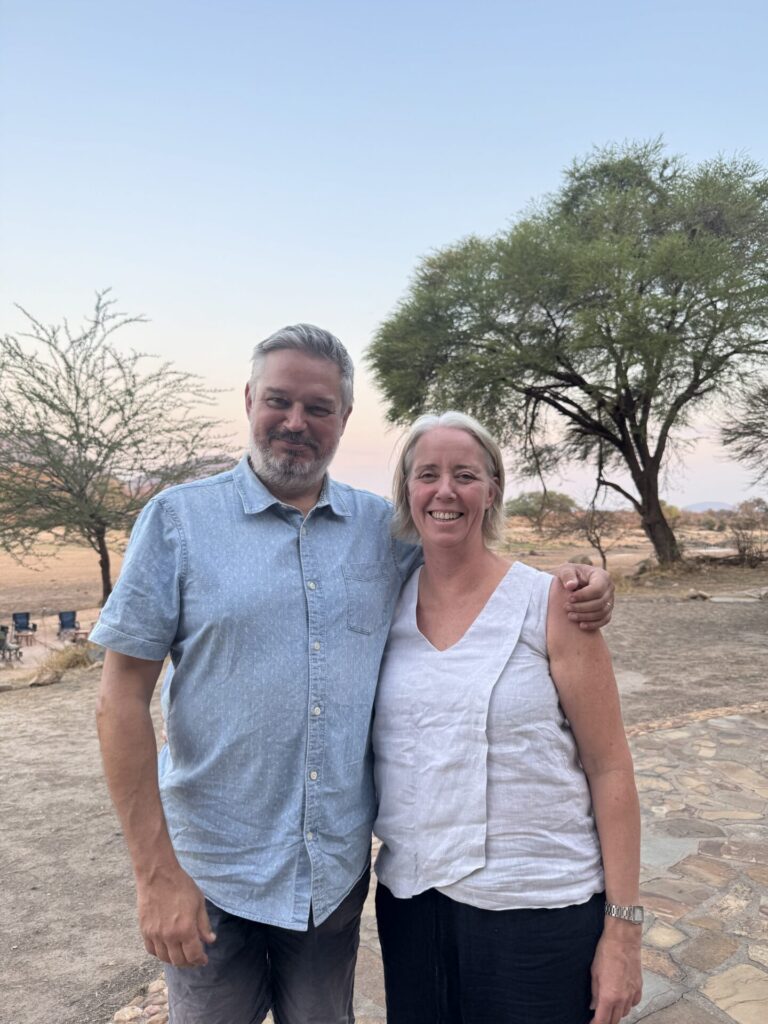
Sophie & Nick Marple
Co-Founders, Gower Street
A couple deploys their wealth to tackle the climate crisis
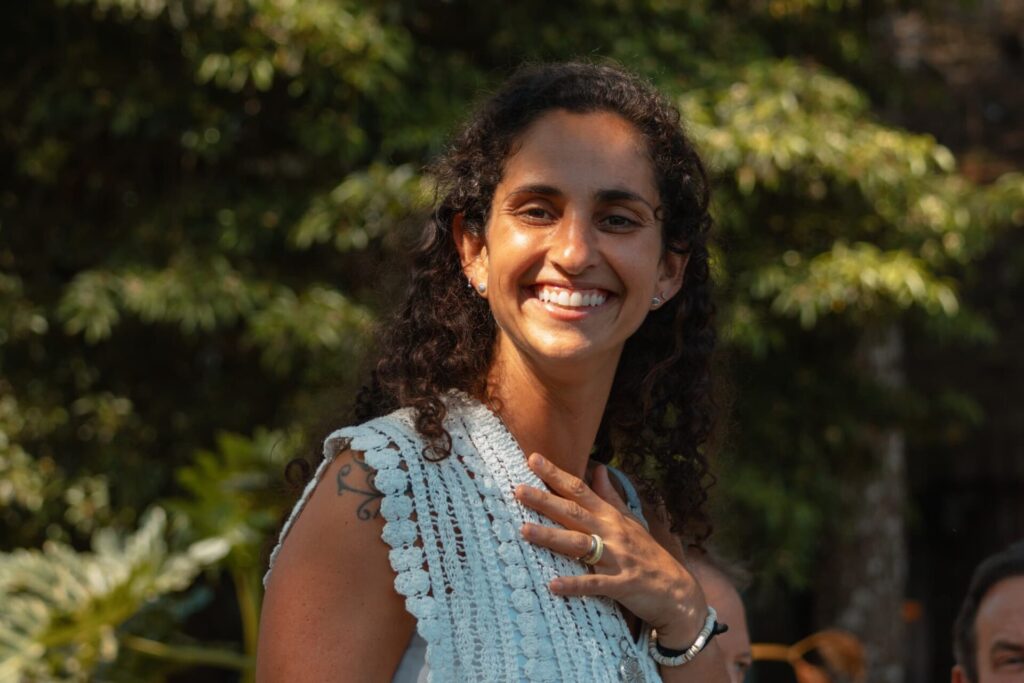
Renata Minerbo
Co-Founder with Seth Tabatznik, Be the Earth Foundation
A family foundation supports the shift to an eco-centric economy
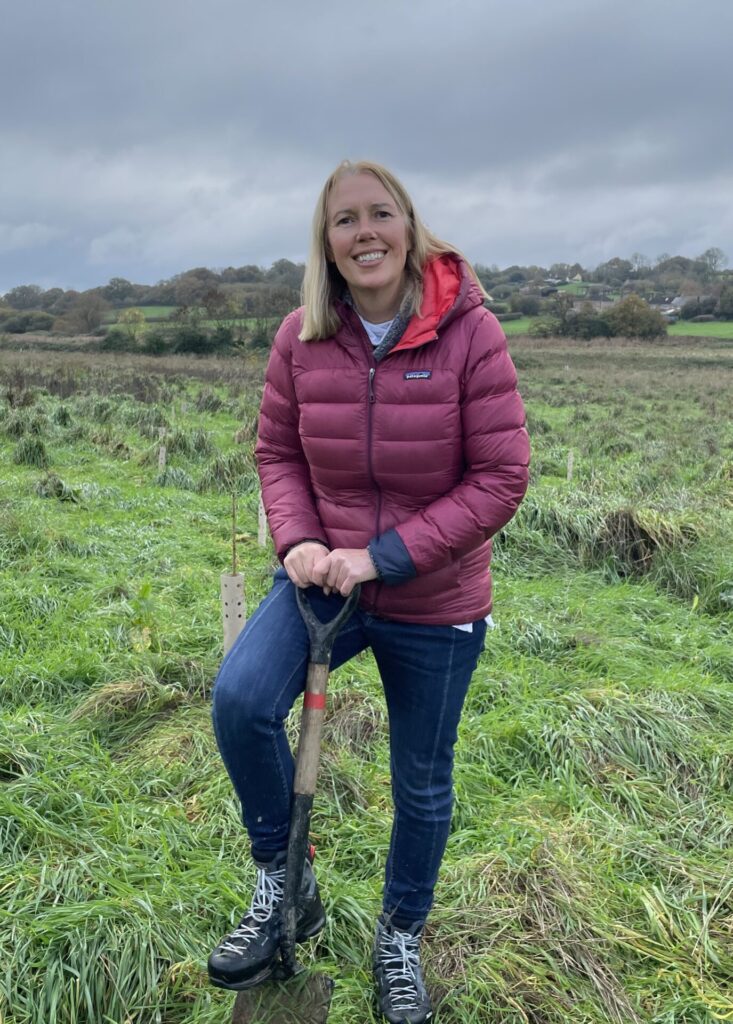
Julia Davies
Founder, We Have The POWER
A donor directs her wealth and legal expertise towards transformative change
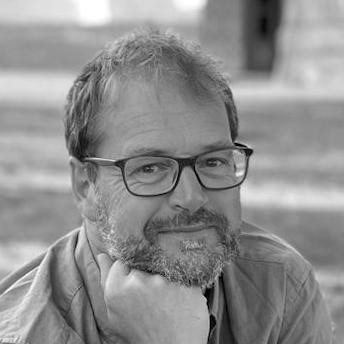
Jon Cracknell
Trust Secretary, The Ecology Trust
A long-time funder shares his reflections on where the environment movement is succeeding and what funders could do differently
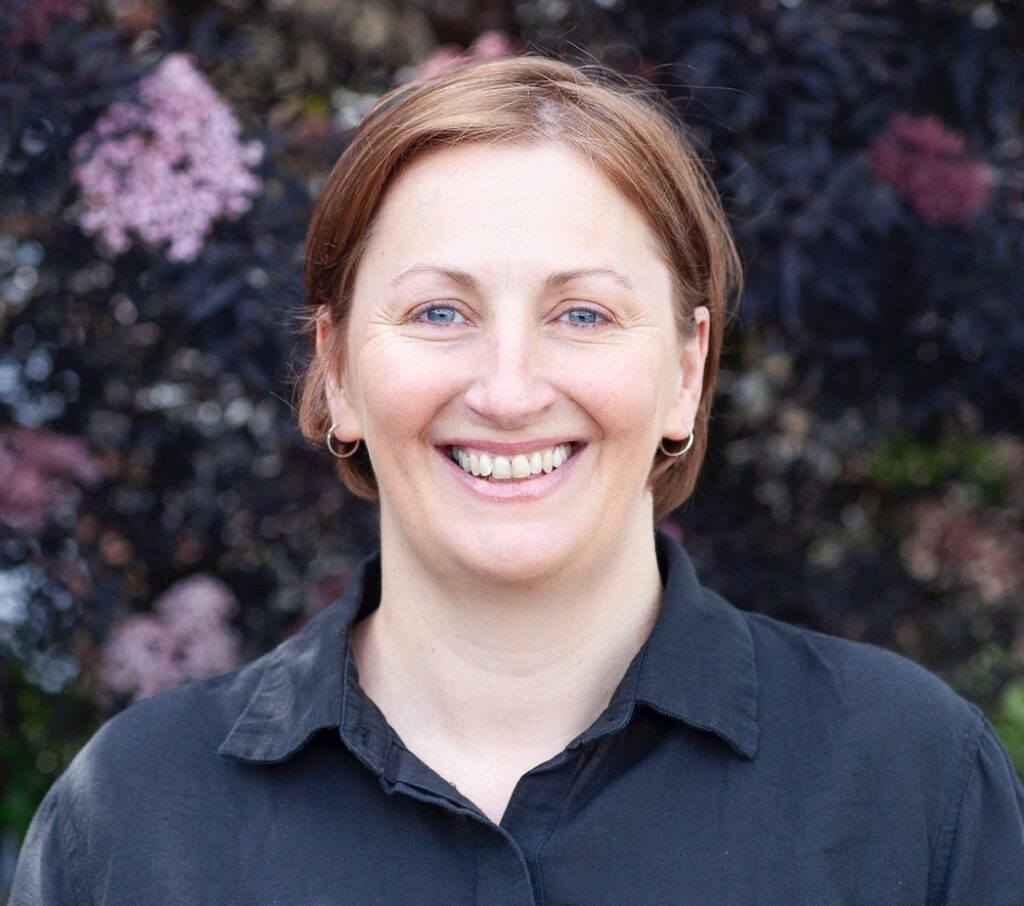
Christine Oliver
Trust Secretary, Polden-Puckham Charitable Foundation
A foundation spends down its funds to meet the challenge of this moment
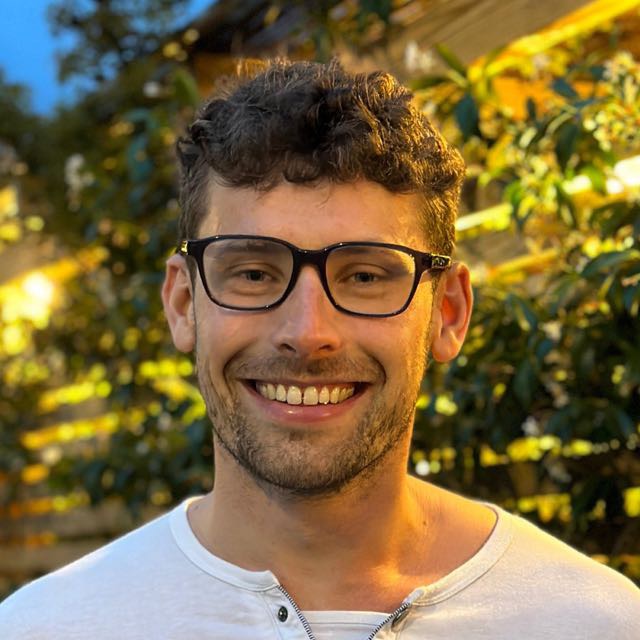
William Kenyon
Individual donor
A donor realises that funding what he’s passionate about allows him to stick with it for the long-term
Stephanie & Stuart Mills
Co-Founders, Practical Acts
A couple mobilises the spectrum of their wealth to support the environment
Jessica Sweidan
Co-Founder, Synchronicity Earth
A foundation helps other donors protect life on earth