11.
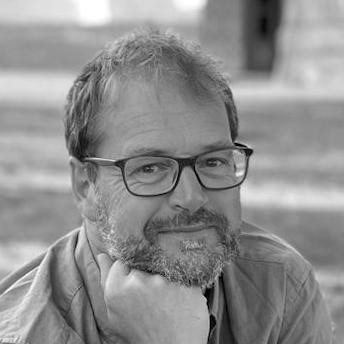
Jon Cracknell
Trust Secretary, The Ecology Trust
A long-time funder shares his reflections on where the environment movement is succeeding and what funders could do differently
You’ve been working in environmental philanthropy for over 30 years. How would you sum up the sector’s progress over that time, and what has characterised the role that you’ve played?
It’s a glass half-full, half-empty thing. We can see real growth in the amount of environmental giving taking place, particularly for climate mitigation funding over the last ten years. That feels positive. On the other hand, we’re confronted with the Trump administration and a populist, anti-climate backlash in lots of countries around the world, and a systematic rolling back of progress on environmental protections and policy. There’s a constant ‘are we/aren’t we’ making progress tension.
Outside of day-to-day grantmaking, I have tried to concentrate on two things. One is making the case for why it’s important to track where philanthropic funding is going, so that we have a collective understanding of the ways in which foundations are supporting environmental movements or ecosystems of NGOs. The second is trying to help bring funders into contact with each other, to create networks where you can build trust and lay the groundwork that’s needed for collaboration.
My grantmaking work has been with the Goldsmith family’s JMG Foundation, which has now wound down, and through The Ecology Trust, including the Funders for Fair Trade pooled fund. Most of our grantmaking at the JMG Foundation was directed towards particular campaigns, often global or international, such as those focused on pesticide use and sustainable agriculture, campaigns targeting the car industry, or work to protect tropical forests, mainly in Indonesia. We also had a long-standing strand of work on trade justice and corporate-led globalisation, largely focused on trade and investment agreements. These agreements often undermine progress on environmental protection because the objective becomes to maximise trade, and anything standing in its way, like an environmental regulation, comes under pressure.
Recently we’ve been particularly focused on the problems caused by investment arbitration, and the terribly-named Investor State Dispute Settlement (ISDS) system. ISDS clauses in trade and investment agreements allow foreign investors to sue governments when that government takes action that the investor claims has harmed its expectations.
For example, let’s say an investor has invested in a coal-fired power station. When the government takes action to phase out coal-fired power stations to tackle climate change, the investor can turn around and say that taxpayers in that country should compensate it, rather than taking the hit itself. That’s what is happening right now with the investors in the Cumbria coal mine for which the High Court refused planning permission. The mine’s investors are using a treaty from 1975 between Singapore and the UK, which nobody remembered existed, to try to get the British government to compensate them, using taxpayers’ money, because they can’t go ahead with the coal mine in Cumbria.
ISDS is a real problem for the energy transition. It means that there’s a very real risk of one of these lawsuits being filed when governments try to act in the public interest – not just on climate change, on pretty much any area of public policy. There have been some really good wins so far: we funded a European campaign around a particular investment agreement called the Energy Charter Treaty which has been the source of the largest number of fossil-fuel related ISDS cases. As a result of the campaign, 18 European countries (and counting) have decided to leave the treaty, which has really weakened it.
That campaign’s success needed a whole suite of different types of interventions: lawyers working to understand these agreements; street-level activism and protests; policy advocacy work; strategic communications – the full gamut. The campaign ran over about five years, so it also needed patient funding. We were lucky that a group of about five to ten foundations came together to provide support for it. That’s a good example of making positive progress on something which is at first sight a very arcane, technical topic, but is actually a very important point of leverage.
I’d love to see more funders pick targets like this that they can concentrate their efforts around, and to do that much more consciously than is happening at the moment.
The campaign against the Energy Charter Treaty is a good example of something which is at first sight an arcane, technical topic, but is actually a very important point of leverage.”
If funders got to know each other, understood what each other were doing, and were able to coordinate their grantmaking, that would be beneficial for everyone.”
How have you rallied and mobilised funders?
I was inspired by going to the 1998 meeting of the US Environmental Grantmakers Association in Houston, Texas. I came back from that thinking, why don’t we have anything like that in the UK? That was when the seed was sown for what became the Environmental Funders Network. For the first seven or so years of the network, I was trying to help it to grow and write the initial research reports and the Goldsmith family were very good in allowing me to spend time on those things. They saw that if funders got to know each other, understood what each other were doing, and were able to coordinate their grantmaking, then that would be a beneficial thing for everyone.
What are some of the other successes you’ve seen or been part of?
At a macro level, the progress we’ve seen towards transitioning the energy system away from fossil fuels and towards clean energy sources is undoubtedly a success. It’s happening much, much slower than the climate science suggests we need it to, but I don’t think we should underestimate the amount of change that is happening. Those two things can both be true.
We’re approaching similar tipping points in terms of electrifying the transport system. Electrification is not sufficient. But we shouldn’t underestimate the significance of that shift, the speed with which it could now take hold and the impact on fossil fuel emissions. The crucial thing about both of those trends is that globally, even if the Trump administration is hellbent on taking America back to the 1920s, the energy market is investing more and more in renewables and clean technologies. That gives me some encouragement.
At a different level, in a small way, the funding research that I’ve worked on has helped to provide an evidence base that was then used when funders established important institutions such as the European Climate Foundation, and the Quadrature Climate Foundation. It’s helped encourage people into climate philanthropy, and I would consider that to be a success.
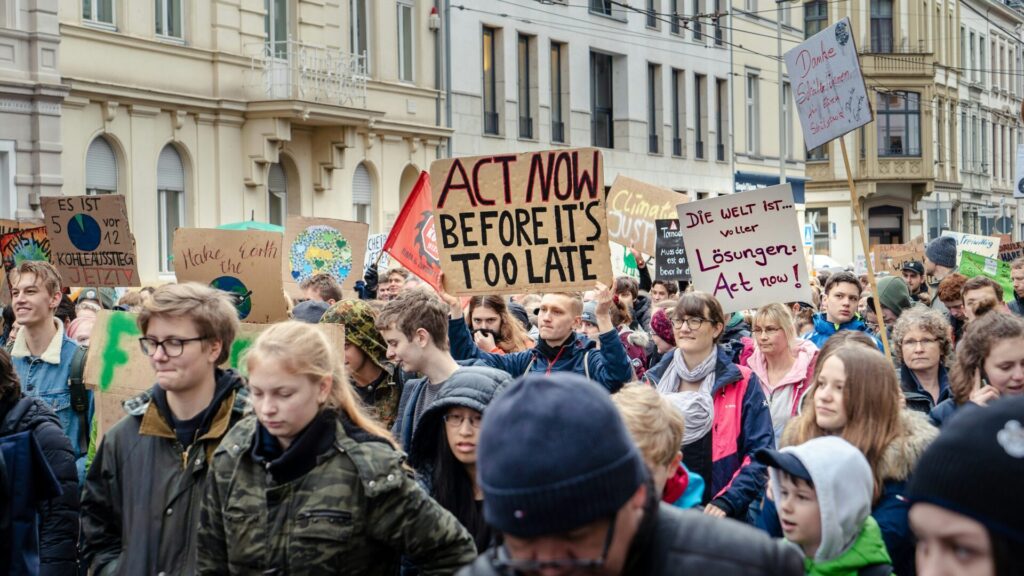
I feel that there are still a lot of funders who are too nervous about engaging with politics, with a small ‘p’. It’s well past the moment where we need to drop that nervousness. The radical right or ‘anti-environment’ funders absolutely engage with the political system and don’t have any qualms about doing that.”
What do you think is still lacking from our collective response to environmental issues?
I feel that there are still a lot of funders who are too nervous about engaging with politics, with a small ‘p’. It’s well past the moment where we need to drop that nervousness. The radical right or ‘anti-environment’ funders absolutely engage with the political system and don’t have any qualms about doing that. We can see the consequences of that all around us. So we can either try to counter that, or just let them occupy the field.
I also think that we need to be more hard-nosed in terms of having strategic discussions about what winning looks like, and what the trade-offs are. We need to focus on a smaller number of high-value wins – North Stars – because at the moment, as we’ve shown in EFN and other grantmaking research, our funds are distributed everywhere, in a scattershot way.
We inadvertently accelerate fragmentation of the environment sector in this way. We end up with a large number of environmental organisations that don’t really have enough funding to effect change.
As for the sector itself: civil society organisations often struggle with campaign strategy. It’s not easy to do strategy well, but I’ve sat in endless civil society meetings that are supposedly about strategy but which are really tactical conversations: lists of the activities groups are going to undertake in the next two, six, eighteen months. That is what passes for strategy discussion, a lot of the time. I would argue that strategy is largely about what you’re not going to do, given finite resources, not what you are going to do.

When would you say philanthropy is at its best and making the most of all of its potential strengths?
It’s at its best when it takes risks. If we think about where the funding comes from for environmental organisations, it’s principally from one of four sources: their individual supporters, governments, corporate funders, or private philanthropy. Philanthropy is uniquely placed to take risks compared to the other three. Governments don’t really fund things that challenge their policies directly. Likewise, companies are not going to fund things that might really challenge them to change their behaviour. The public will do that, but there are limits to it.
It’s a bit like the beer adverts from the ’80s: ‘Heineken can reach the parts that other beers can’t reach’. That’s how I feel about philanthropic capital. It should oil the wheels of movements, of campaigns, and it should take risks.
The idea of a movement ecology is really important for funders to understand. I use the metaphor of a jazz band for thinking about what a movement ecosystem looks like. In a jazz band, you have a horn section, a double bass, a pianist, a drummer, sometimes a singer and so forth. Each of those parts of the band has its moment in the spotlight, when it plays its solo and improvises, and then it merges back into the band. The band members need to pay close attention to each other and what they’re playing, and to respect each other’s roles in the band. They can’t play jazz without working together, as a unified group.
It’s also a good metaphor because social change is chaotic, a bit jazz: it’s opportunistic; moments come along that you can’t expect. It’s not a linear thing at all. In fact, if you draw a line of the progress of a campaign, it’s often quite jagged: nothing happens, then it suddenly jumps forwards, then it might go backwards a bit. But you can’t do it without all of the different bits of the band.
At the risk of stretching the metaphor too far, the band agreeing that they’re going to play a piece by Thelonius Monk is akin to a group of civil society organisations deciding that they’re going to challenge investment arbitration, or try and establish alternatives to GDP as a measure of societal progress.
As funders, we also need to invest time in trying to understand what is in place and what is missing on the issues that we care about, or in the geographies we care about, rather than setting up new organisations. I would argue that we need to try to concentrate our resources on a limited number of organisations, and provide them with the funding which they need to collaborate. Collaboration is expensive; working as a band takes time. If we all did that, then I think we would achieve more progress.
Being patient with funding is also really important. Sometimes I use the idea of climbing Mount Everest: your grantees are standing at the base camp and aiming for the summit, and on the way up are the different camps. They don’t really know how long it’s going to take them to get to the summit, the thing they’re trying to change. The weather conditions might be really bad: political weather conditions, social weather conditions. They might have to sit in their tent at Camp Three and wait out the storm until there’s a better opportunity to go up towards the top of the mountain. They get near the top of the mountain, and they have to get everything ready for their summiting moment, when the weather window aligns again, and they get up and plant their flag on the top of the mountain.
There’s a real challenge for funders, because if you cut off the funding for your grantees when they get to Camp Three – because you can’t see that they’re making immediate progress – then they’re never going to reach the summit. There’s a need for patience. At the same time, you do need some way of assessing whether they’re making any progress. But assuming that everything will be done really quickly, and cutting off the funding when it isn’t, is a sure fire way to waste any grants you’ve made.
Philanthropic capital should oil the wheels of movements, of campaigns, and it should take risks.”

What gives you hope despite the challenges?
I’ve been inspired by the youth climate movement. I’ve had extraordinary conversations with 21-year-old activists. I can’t understand how they have learned so much about campaign strategy in such short periods as campaigners. It’s partly because they’re digital natives and they’re immersed in communities which are discussing strategy and tactics all of the time. That gives me encouragement. And I am encouraged by some of the shifts that we are seeing in the energy market and the transport sector that I was talking about earlier.
Is there anything else you wish more funders understood about environmental giving?
It would do a lot of good if environmental funders spent more time becoming experts on the issues on which they’re working. I understand that there’s often a capacity issue – it’s hard to do. But take the time to define an area of focus, rather than spray your grants across a whole wide range of different types of organisations and issues.
Ask networks like EFN who else is funding in that space and find out which civil society organisations those funders are funding. Really try to build up an understanding in your own mind about what the landscape of the field looks like (what the band looks like) and be informed by that. Build up that expertise and understanding of the different types of actors, and respect the fact that we need activists, lawyers, policy experts, think tanks, academics, communications specialists, and community organisers, among other roles. That would be really productive in helping to make funding more targeted, more focused and more purposeful.
Take the time to define an area of focus, rather than spray your grants across a whole wide range of different types of organisations and issues.”
Interviews
Nick Oldridge
Individual Donor
A donor sees the need for a different type of climate communications
Sonal Sachdev Patel
CEO, GMSP Foundation
A family supporting the grassroots.
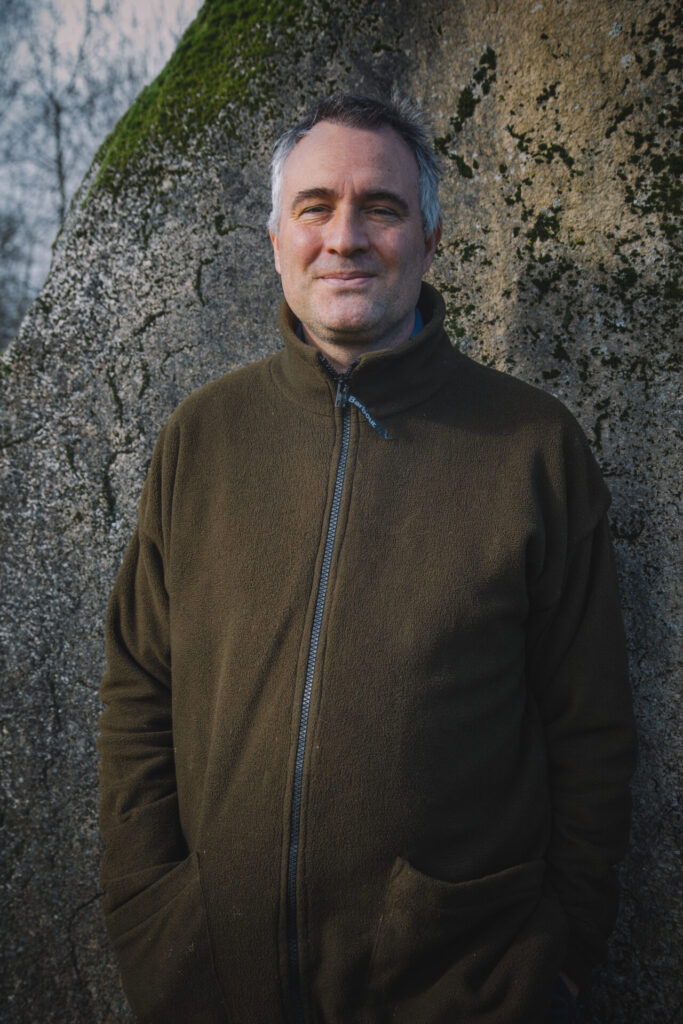
Ben Goldsmith
Chair, Conservation Collective; Trustee, Children’s Investment Fund Foundation
A lifetime championing nature
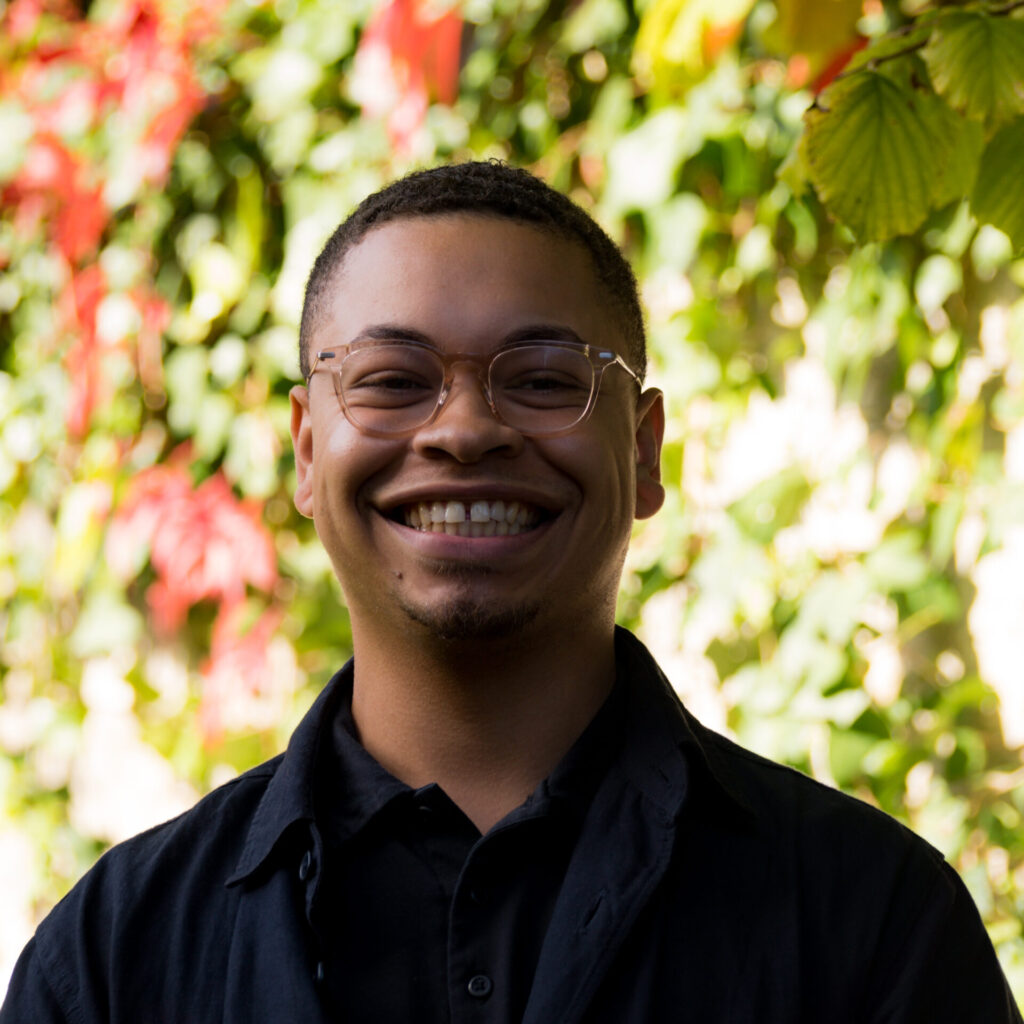
Eli Manderson Evans
CEO, Blagrave Trust
A youth funder recognises the urgent need to address climate change
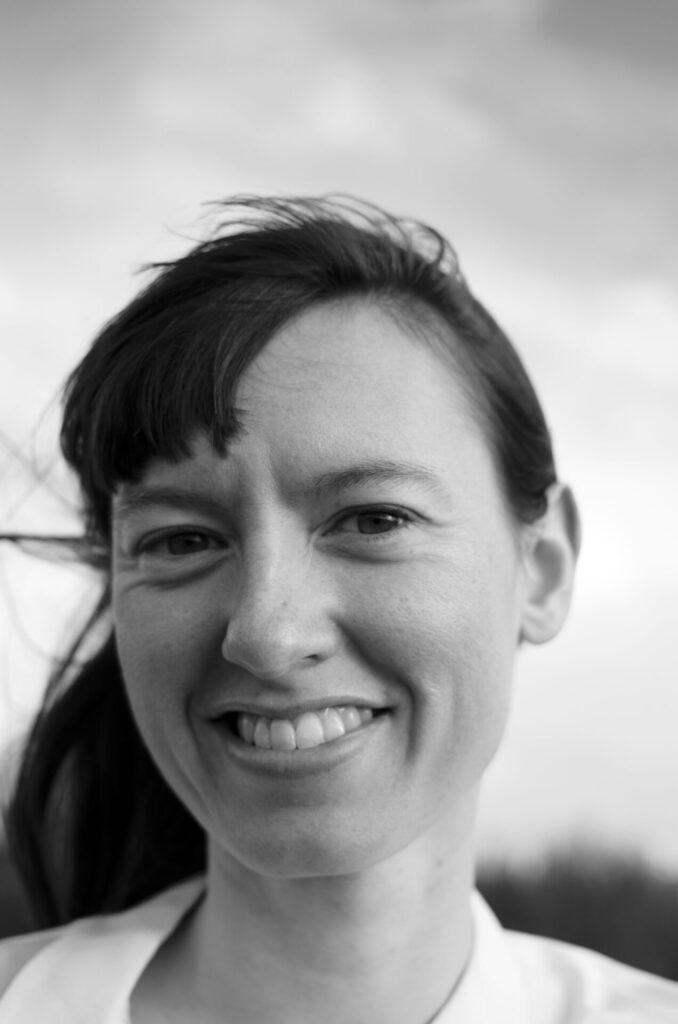
Leonie Taylor
Trustee, Taylor Family Foundation, and individual donor
A donor faces the origins of her wealth
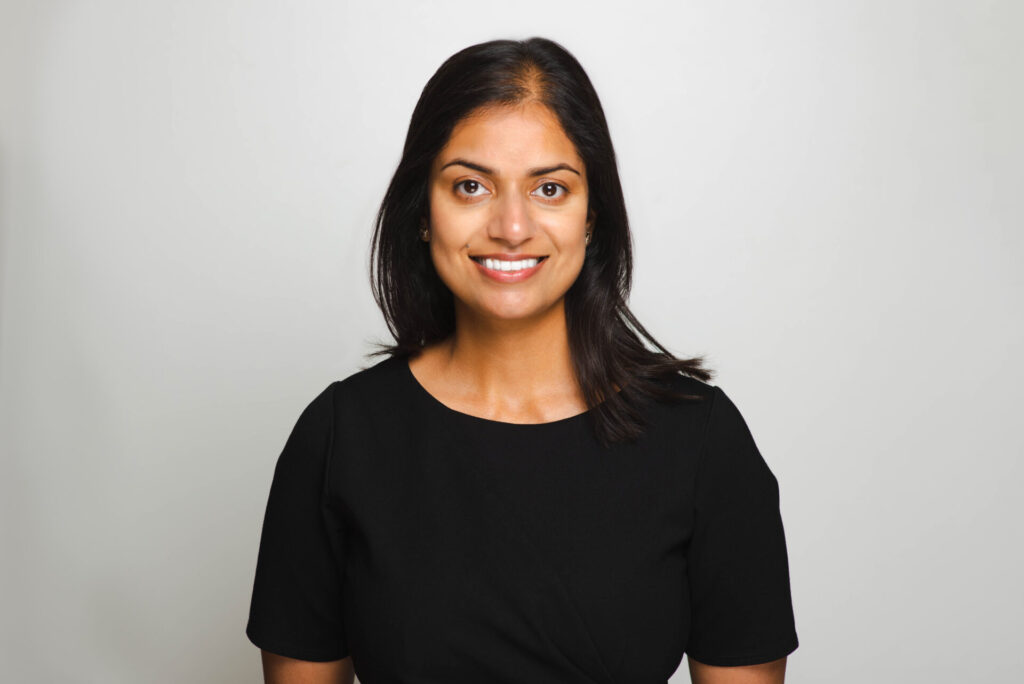
Sufina Ahmad
Director, John Ellerman Foundation
A foundation shifts from funding individual issues to focus on systemic change
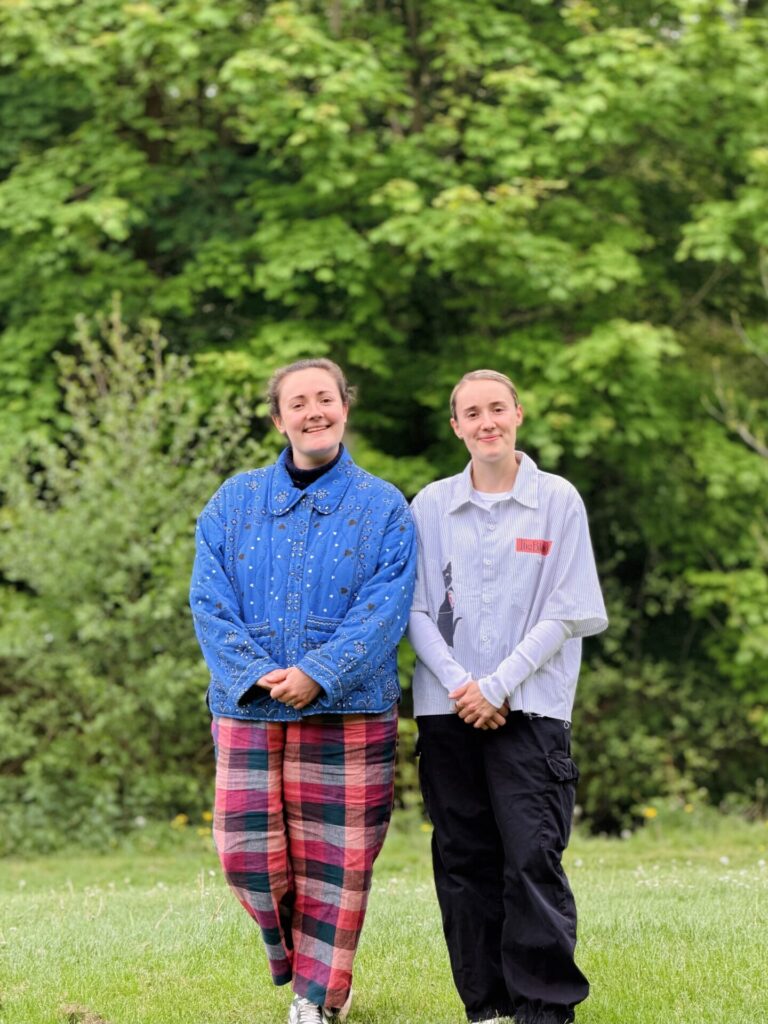
Lauren Gupta & Becky Holmes
Co-founders (with Bill Holmes), The Helvellyn Foundation
Next generation donors with a passion for wildlife and trust in their partners
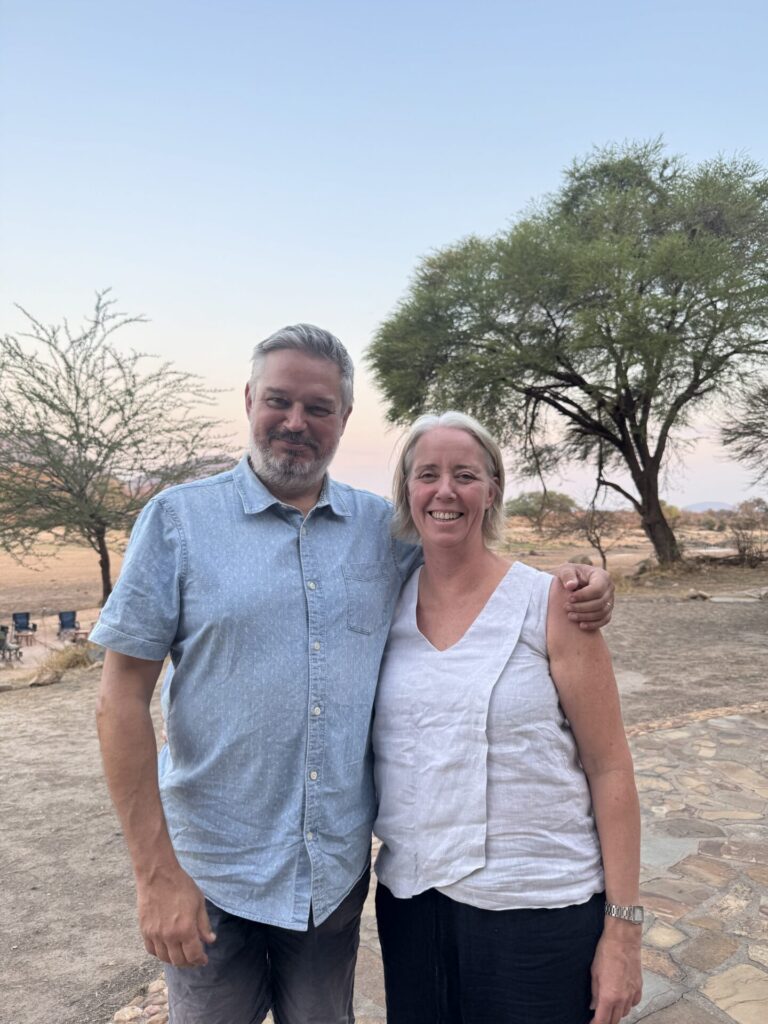
Sophie & Nick Marple
Co-Founders, Gower Street
A couple deploys their wealth to tackle the climate crisis
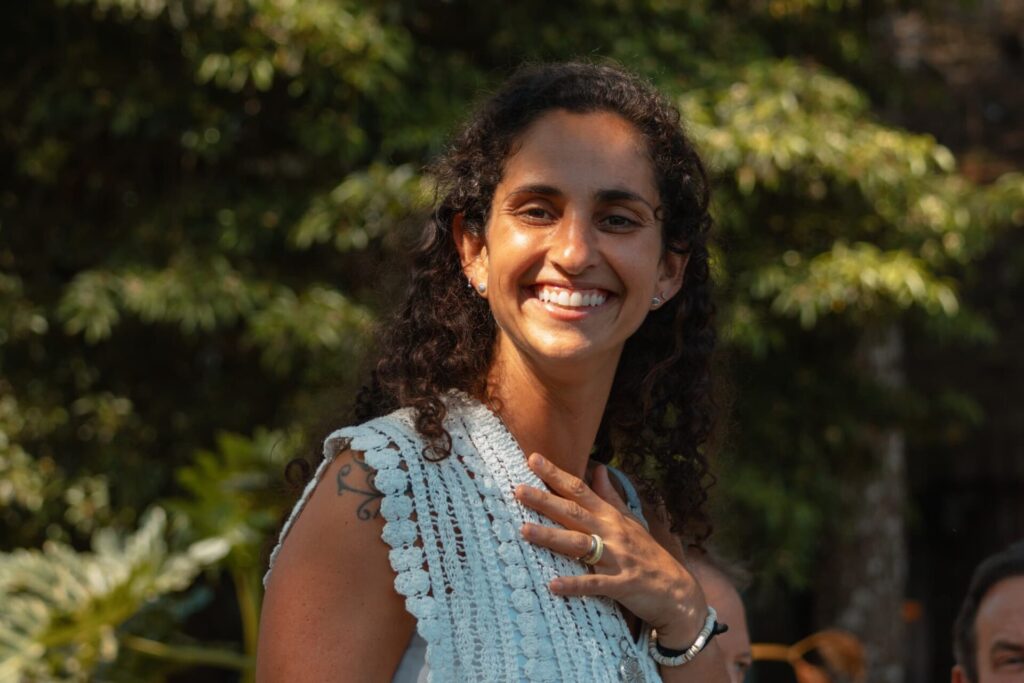
Renata Minerbo
Co-Founder with Seth Tabatznik, Be the Earth Foundation
A family foundation supports the shift to an eco-centric economy
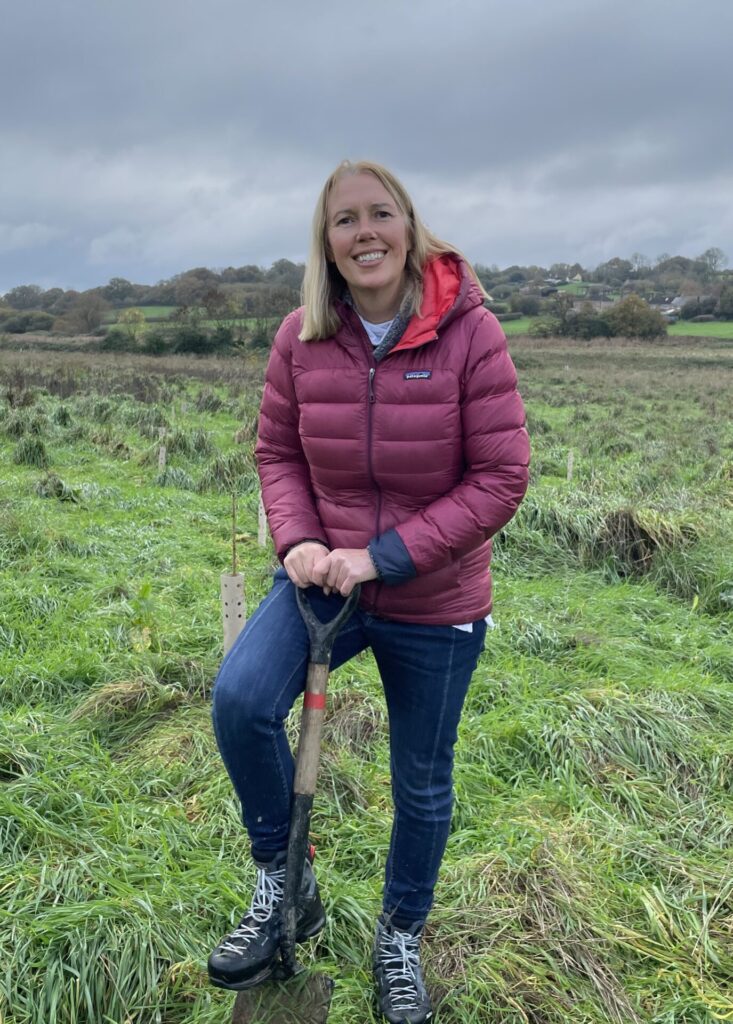
Julia Davies
Founder, We Have The POWER
A donor directs her wealth and legal expertise towards transformative change
Jon Cracknell
Trust Secretary, The Ecology Trust
A long-time funder shares his reflections on where the environment movement is succeeding and what funders could do differently
Christine Oliver
Trust Secretary, Polden-Puckham Charitable Foundation
A foundation spends down its funds to meet the challenge of this moment
William Kenyon
Individual donor
A donor realises that funding what he’s passionate about allows him to stick with it for the long-term
Stephanie & Stuart Mills
Co-Founders, Practical Acts
A couple mobilises the spectrum of their wealth to support the environment
Jessica Sweidan
Co-Founder, Synchronicity Earth
A foundation helps other donors protect life on earth