02.
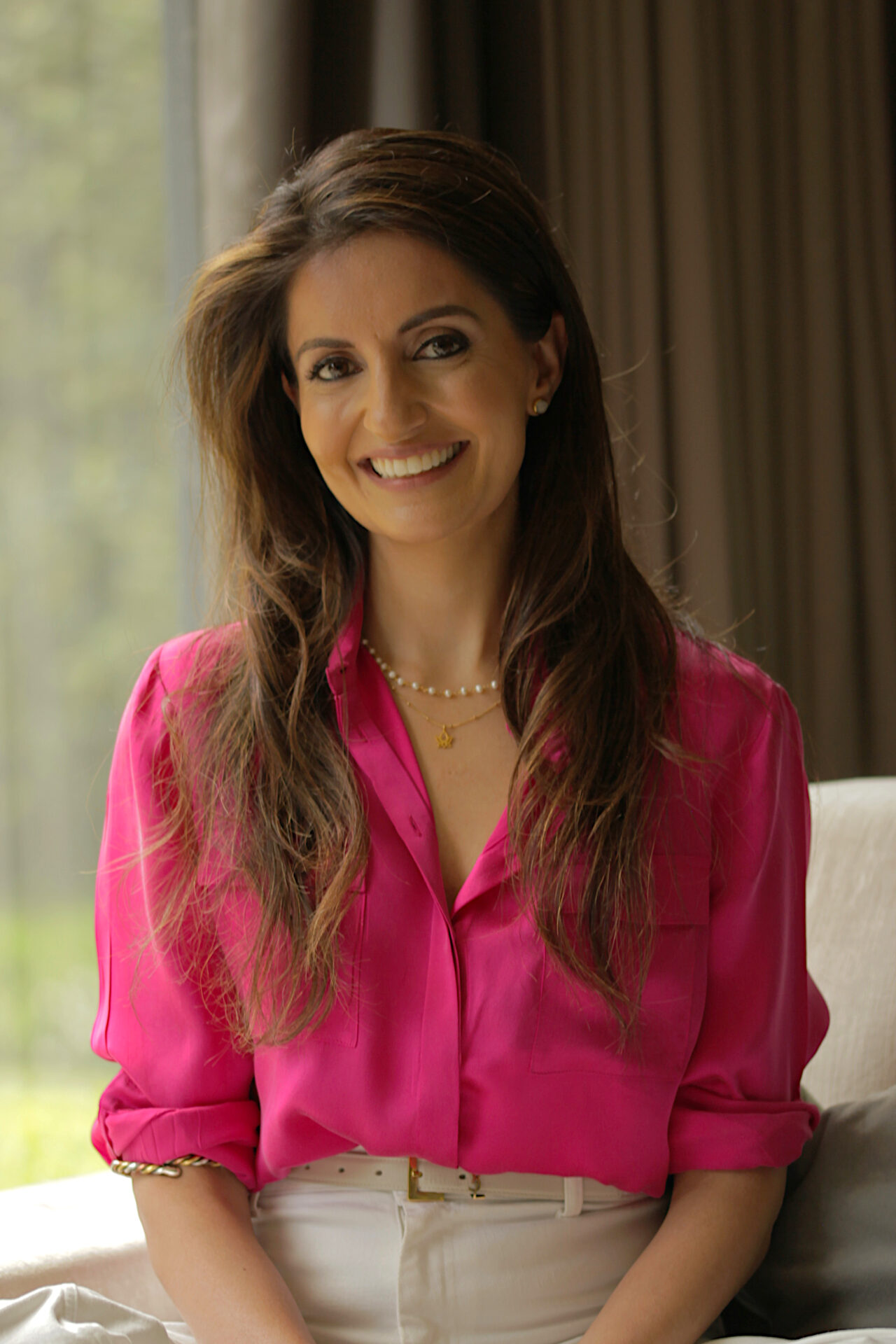
Sonal Sachdev Patel
CEO, GMSP Foundation
A family supporting the grassroots.
My family is originally from Gujarat in India. My parents were born in East Africa; my father came to the UK in the late ’60s, my mum in the early ’70s. I think my family, my roots and my origins have most impacted the ways I look at the world. As for the rest of my background, I studied economics and worked in strategy consulting with Bain & Company for a number of years.
My family set up a charitable foundation as the vehicle to give their wealth away, largely funding in India at the start, though we were based in the UK. When I was at Bain I went on a learning journey to visit grassroots organisations in India and saw the potential for the impact we could have. I felt what we were doing as a foundation was good, but it wasn’t good enough. We were giving money to organisations having an impact, but we weren’t giving our philanthropy the time and attention we were giving to our financial investments. That’s what prompted me to move into running the foundation full-time. I often talk about our values because the values of love, trust and humility that guide our family also underpin our foundation.
Our family created its wealth in nursing homes, which my mother started. When she came to this country, she felt that many elderly people just weren’t looked after, and in our culture, we live multi-generationally – we still do in my family. She started her first nursing home really as a social project, wanting to create a more positive environment for looking after elderly people. With the support of my father, it became a really profitable business.
My parents felt it wouldn’t be a great thing to pass on a large inheritance to their children; they felt it would be better to use the money to do good. That was how the foundation started.
My parents felt it wouldn’t be a great thing to pass on a large inheritance to their children; they felt it would be better to use the money to do good.”
Can you tell me about your family’s philanthropy to date? What did you change to make it more effective when you took over? What are you hoping to accomplish with the foundation now?
We always focused on marginalised groups: people who were excluded and on the margins of society. In the early days, we focused on basic needs provision. Over the last 17 years or so, we’ve peeled back the layers, saying, ‘OK, if we want to address lack of housing and safety and food and shelter… why don’t these people have access to these things?’ That leads you to really deep social justice issues and systemic change, and we now work across a broad range of issues related to that.
If I take the example of violence against women, we have supported policy change by funding advocacy and policy advisers – i.e. work at the systems level – but we have also supported refuges and emergency housing. All of these aspects need to be addressed, but we have also thought deeply about philanthropy and our role. Where should the government come in and what can we do that other people and institutions can’t?
Often this work gets overwhelming, and you start to question if you are even having an impact, or you start funding something and run into unexpected challenges that make you re-think your approach. My North Star in those moments is always our focus on grassroots, unrestricted funding and family values. Over the years we have become better at centring grassroots voices in our work, and really listening to what they have to say. In fact, they are the ones who told us, ‘Long-term, unrestricted funding is what we need.’
When you really listen to grassroots organisations, you would never not do trust-based philanthropy, because you just know that they have the answers: they are on the front lines, and are closest to the problems they are looking to solve. I find it amazing how much we have to defend trust-based philanthropy because to me it is so obvious.
We’re already doing it in the investment world, where as an investor you trust the management team to do the job they’ve been put in place to do. But in the not-for-profit world, we micromanage our grantees and ask them to deliver on things in six months, one year, two years. Why do we do this, especially when we’re dealing with really intractable social issues that aren’t easily tracked or solved in short timeframes? We’re not producing widgets or electric cars. These are complex human beings. In the investment world, there will be some sectors – tech for example – where investors know they are not going to make a profit for the first three years, or even the first ten, but they are willing to invest for the long term. That kind of patience is rarer in philanthropy, despite the fact that it is perfectly placed to be patient and to take more risk.
I am not talking about abandoning impact. It’s a misconception that if you’re doing trust-based funding, you’re somehow not looking at impact. Of course you’re looking at impact, as is the organisation you are funding. But you’re looking at it in a nuanced way, and you’re trusting the leadership team, as you would in investing, to create the change.
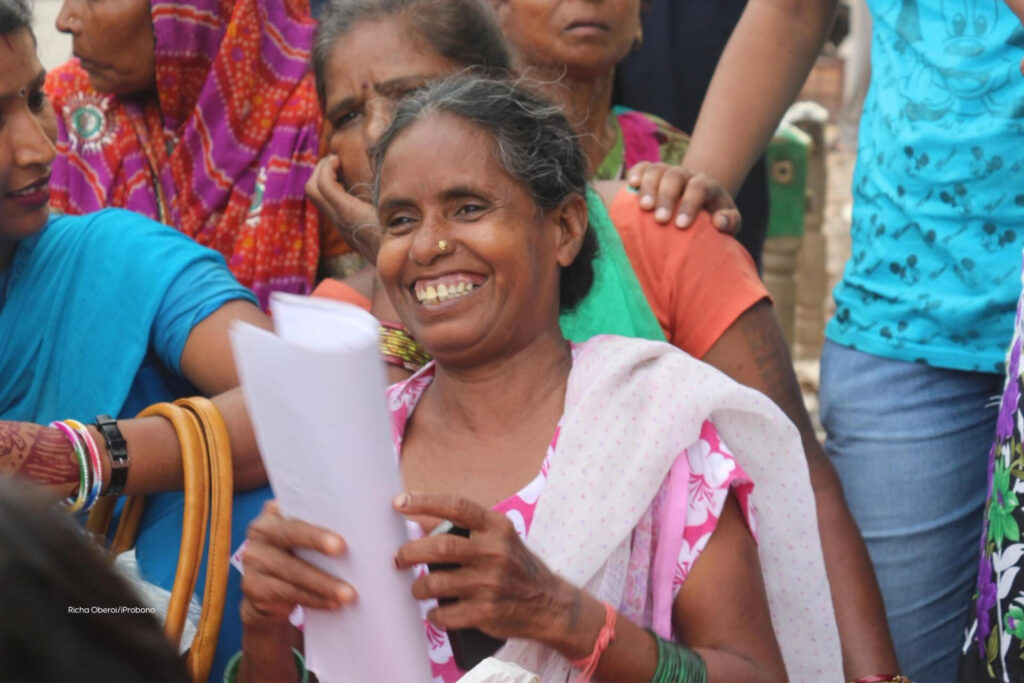
We have thought deeply about philanthropy and our role. Where should the government come in and what can we do that other people and institutions can’t?”
How has your funding intersected with environmental issues?
People often say, ‘What kind of funder are you?’ I struggle with this because we don’t just fund education, or violence against women, for example – grassroots organisations just don’t work in that way because people don’t live single issue lives. It’s not like Snoopy and there’s a cloud that’s only raining in one specific part of the picture. It’s raining everywhere.
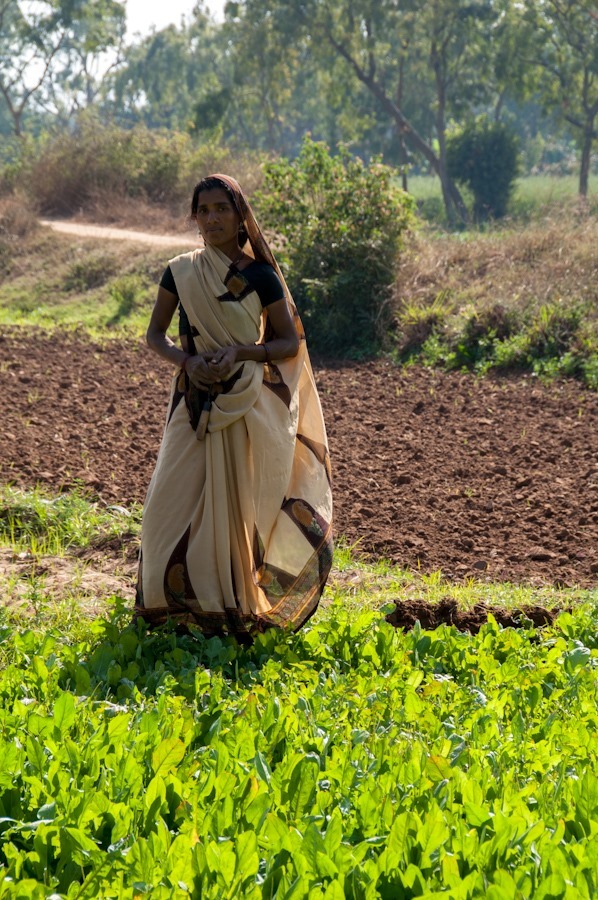
Environmental issues have a huge impact on all the organisations we work with, and many are responding in different ways. Mann Deshi, for example, is a women’s economic empowerment organisation based in India; they provide microfinance to support women’s entrepreneurship. They’ve ended up working with animals and rainwater harvesting – because those are the issues affecting their community. So while they may not lead with an environmental tag on what they’re doing, they are responding to what is impacting the community, so the environment becomes the work.
We funded Global Greengrants Fund, very much an environmental funding organisation, because it was participatory, and we liked the idea of people in communities deciding where the money goes.
A World Bank report said that only one-tenth of the world’s greenhouse gases are emitted by the 74 lowest-income countries, yet they are the ones most impacted by climate change. It’s the same thing that we see throughout our work, which is the power dynamic where marginalised groups get impacted more than anyone else.
There are so many ways this manifests itself. For example, after climate disasters it’s the poorest and most marginalised communities who suffer the most. There is also a huge uptick in violence against women – as we see in conflict, which is linked to climate change as well. Climate is linked to so many things, but the underlying thread is that the most marginalised groups suffer.
Who would you say you’ve learned from the most in terms of how to be an effective philanthropist?
Definitely grassroots groups. Listening to them, understanding what their challenges are, and then trying our best to adapt our grant-making based on what they tell us.
I’ve also learnt a lot from others in the field; what is really wonderful about this sector is how open people are and willing to talk to you. For example, Professor Stephan Chambers, who is Head of the Marshall Institute (where I’m Philanthropist in Residence) has been great at getting me out of my echo chamber. I’m quite a values-oriented person; I attract and repel people in equal measure. When I come across people with whom I feel I’m not aligned in terms of values, I tend to choose not to spend much time with them. That’s fine, but it means I don’t hear their perspectives. Stephan helps me understand the landscape, gives me a really good overview of what’s out there, and helps me ask the right questions.
It’s a misconception that if you’re doing trust-based funding, you’re somehow not looking at impact. Of course you’re looking at impact, as is the organisation you are funding. But you’re looking at it in a nuanced way, and you’re trusting the leadership team, as you would in investing, to create the change.”
Tell me more about your role as Philanthropist in Residence at the London School of Economics. What are you doing in that role? What have you learnt from it?
So much! I’ve learned that philanthropists really value community. They value in-person connection, and a safe and sell-free space – meaning they’re not getting pitched at by anyone. There’s huge value in that.
We bring broad groups of people together and say, ‘We don’t agree on this issue, but we’re going to listen to each other respectfully, and be open to learning’ – rather than the way we humans normally listen, which is, ‘I’m waiting for you to finish speaking so I can give my perspective.’ It’s about moving forward in our thinking. We’ve got one coming up on tax, which I’m looking forward to. There will be people in the room who say, ‘I pay a huge amount of tax, and I do not want to pay any more.’ Then we have Patriotic Millionaires attending who feel the super-rich should be paying more tax, and this is the only way that you’re going to create justice. It’s so rare that you are able to get those people around a table to really listen to each other.
Have you had any particularly good experiences of collaboration?
The Dasra funder collaborative in India is brilliant, because they bring together a lot of funders, and no matter how much you’re giving, you have a seat at the table. They regularly engage with local and state government but they’re also on the ground. That has been a really powerful collaboration. I always encourage new philanthropists to fund alongside other funders, because you can learn so much from them. We encourage and expect charities to collaborate but we don’t always do the same as funders.
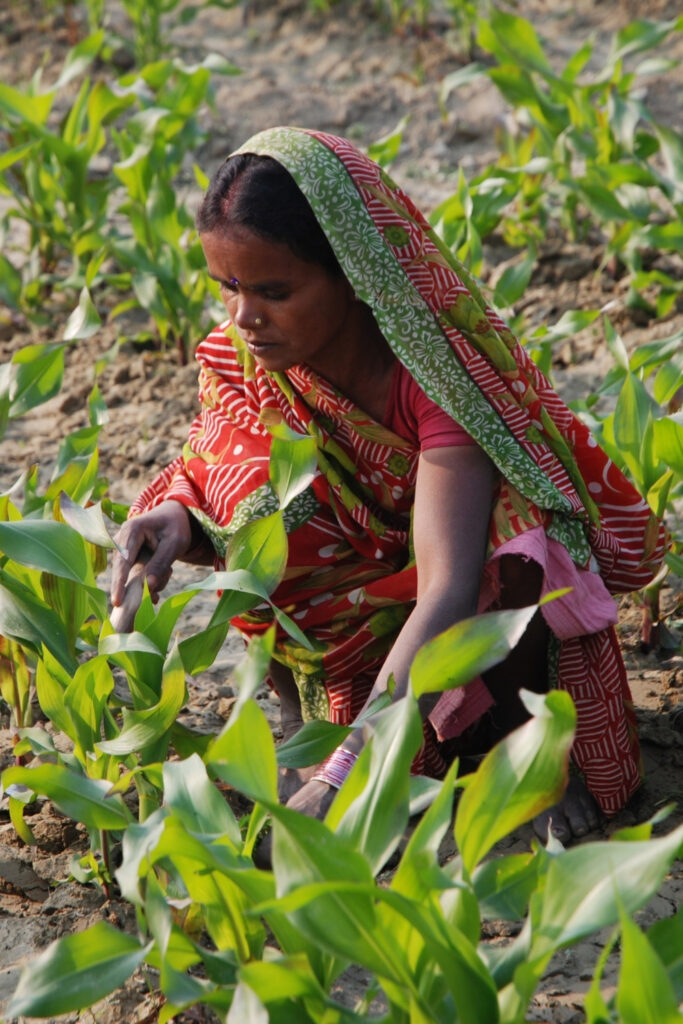
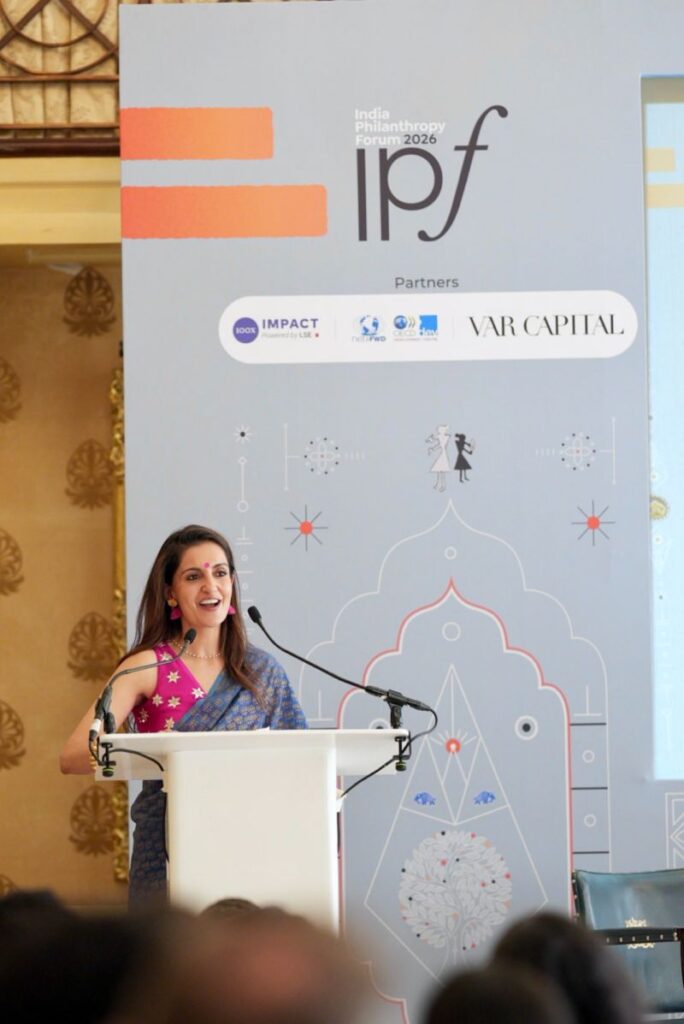
Often this work gets overwhelming, and you start to question if you are even having an impact, or you start funding something and run into unexpected challenges that make you re-think your approach. My North Star in those moments is always our focus on grassroots, unrestricted funding and family values.”
If nature was speaking through you, what do you think she would be saying, and what would her message be to other wealth holders?
I think it would be around this feeling of spiritual solidarity. The idea that nature is part of everything. It’s part of who we are, everything that’s come before us, and everything that will come after us.
Nature provides so beautifully for us; it’s so abundant. It has a lot to teach us. I also think a lot about death. I recently did an end-of-life companion course, and I think that, at the end of your life, you think about what impact you have had. Money becomes irrelevant and again, nature is a great leveller. Did I leave the planet better off or worse off?
At the end of your life, you think about what impact you have had… Did I leave the planet better off or worse off?”
Interviews
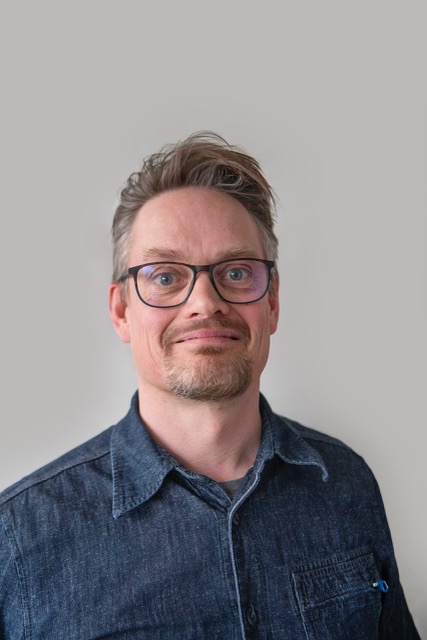
Nick Oldridge
Individual Donor
A donor sees the need for a different type of climate communications
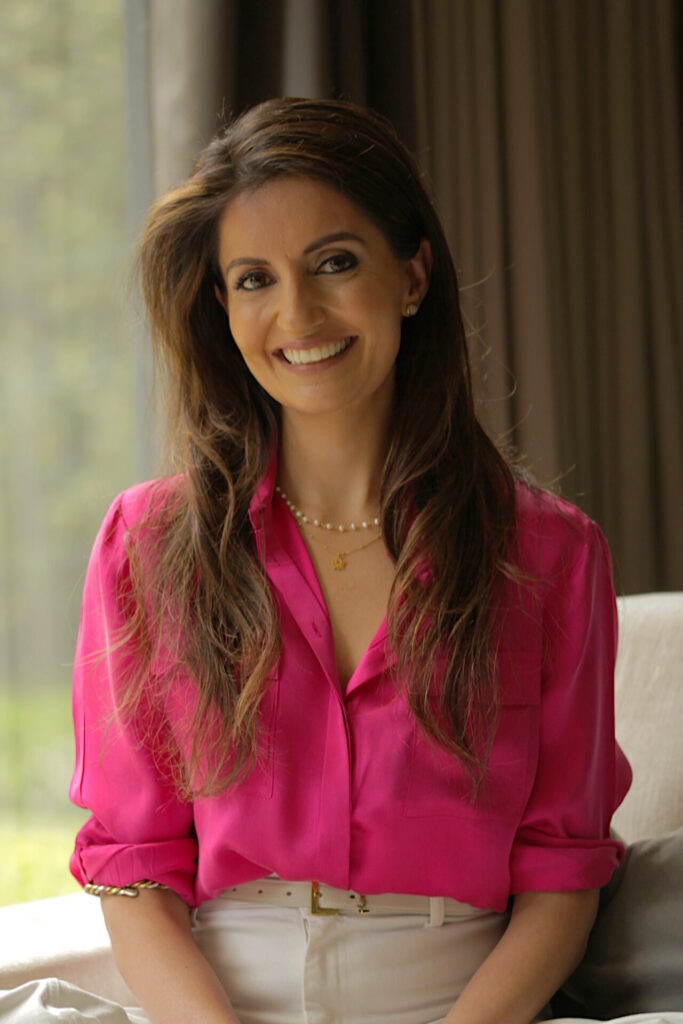
Sonal Sachdev Patel
CEO, GMSP Foundation
A family supporting the grassroots.
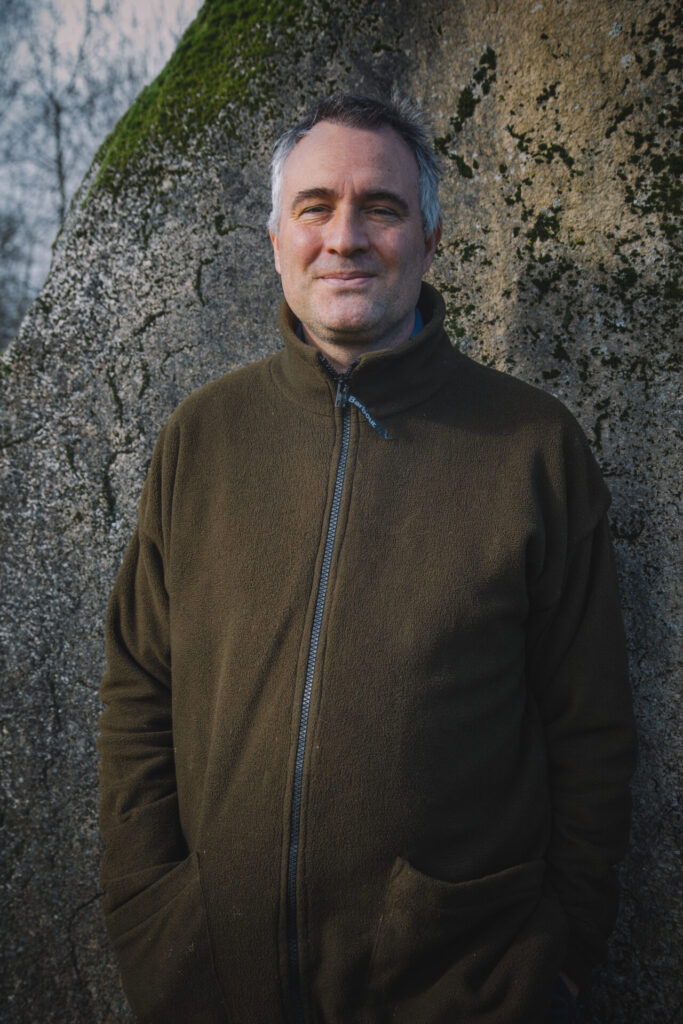
Ben Goldsmith
Chair, Conservation Collective; Trustee, Children’s Investment Fund Foundation
A lifetime championing nature
Eli Manderson Evans
CEO, Blagrave Trust
A youth funder recognises the urgent need to address climate change
Leonie Taylor
Trustee, Taylor Family Foundation, and individual donor
A donor faces the origins of her wealth
Sufina Ahmad
Director, John Ellerman Foundation
A foundation shifts from funding individual issues to focus on systemic change
Lauren Gupta & Becky Holmes
Co-founders (with Bill Holmes), The Helvellyn Foundation
Next generation donors with a passion for wildlife and trust in their partners
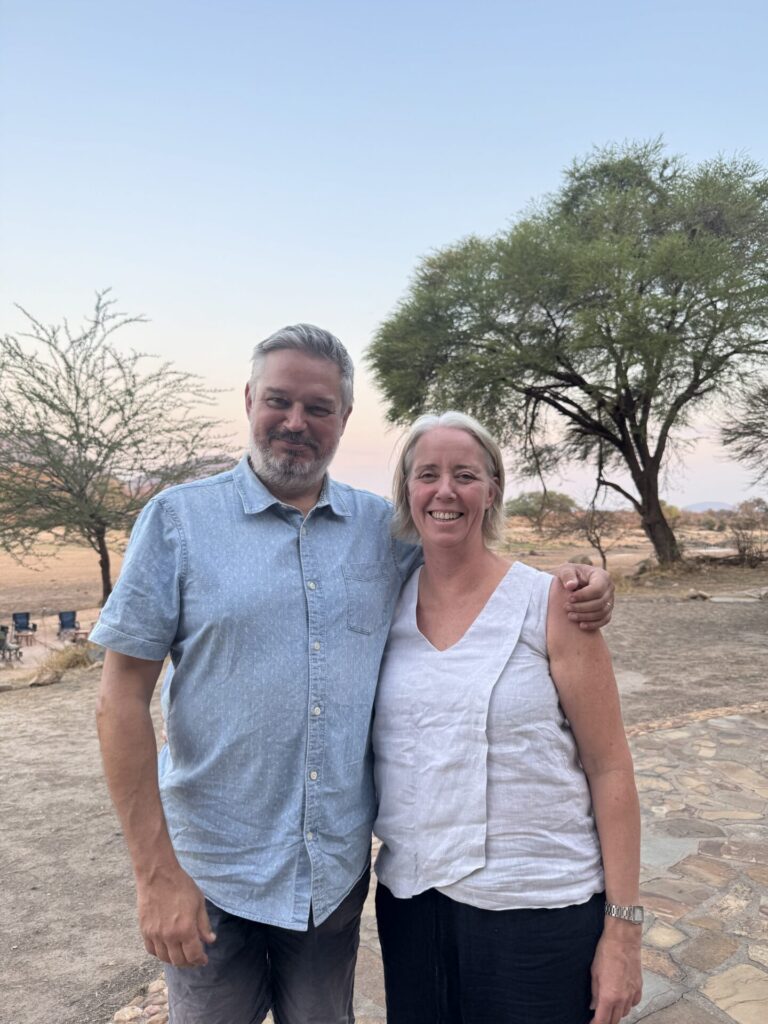
Sophie & Nick Marple
Co-Founders, Gower Street
A couple deploys their wealth to tackle the climate crisis
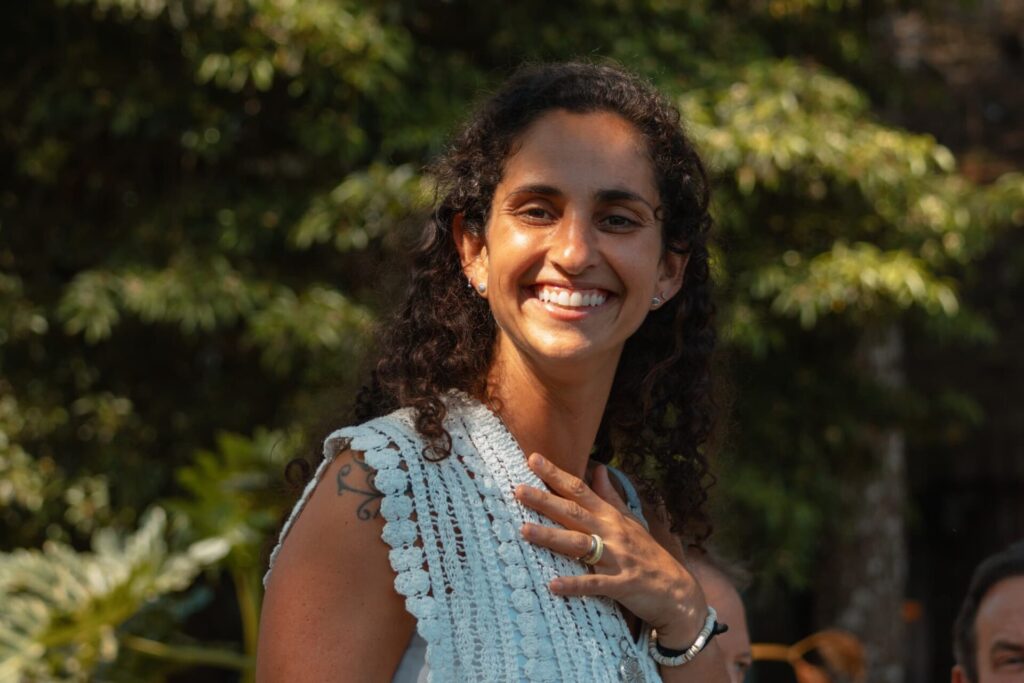
Renata Minerbo
Co-Founder with Seth Tabatznik, Be the Earth Foundation
A family foundation supports the shift to an eco-centric economy
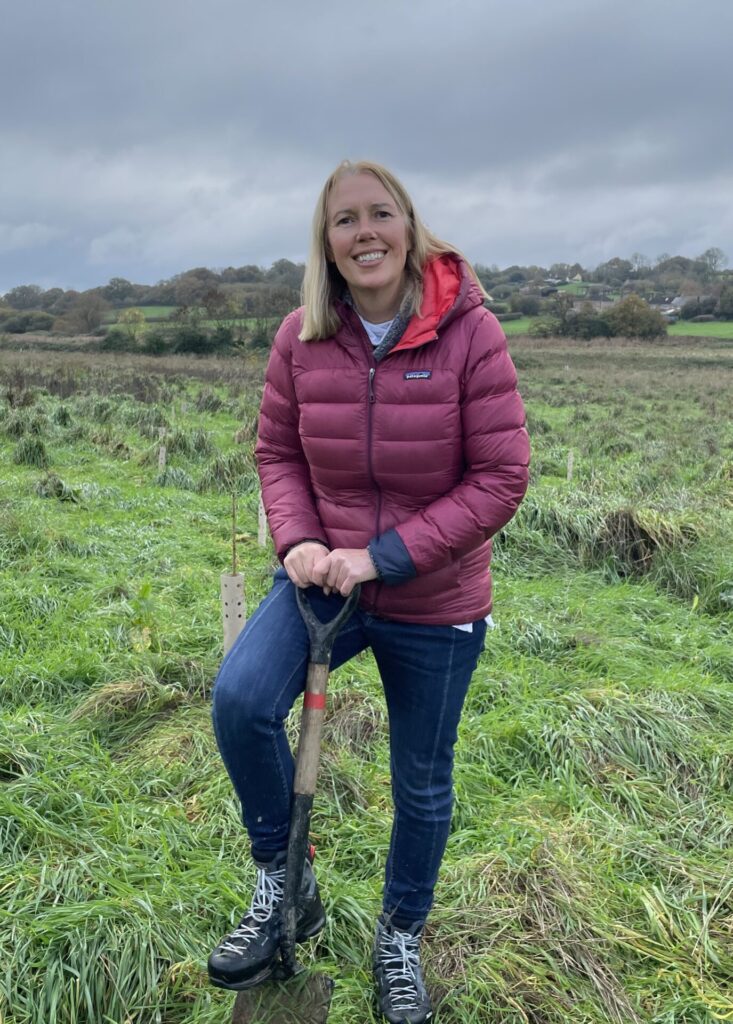
Julia Davies
Founder, We Have The POWER
A donor directs her wealth and legal expertise towards transformative change
Jon Cracknell
Trust Secretary, The Ecology Trust
A long-time funder shares his reflections on where the environment movement is succeeding and what funders could do differently
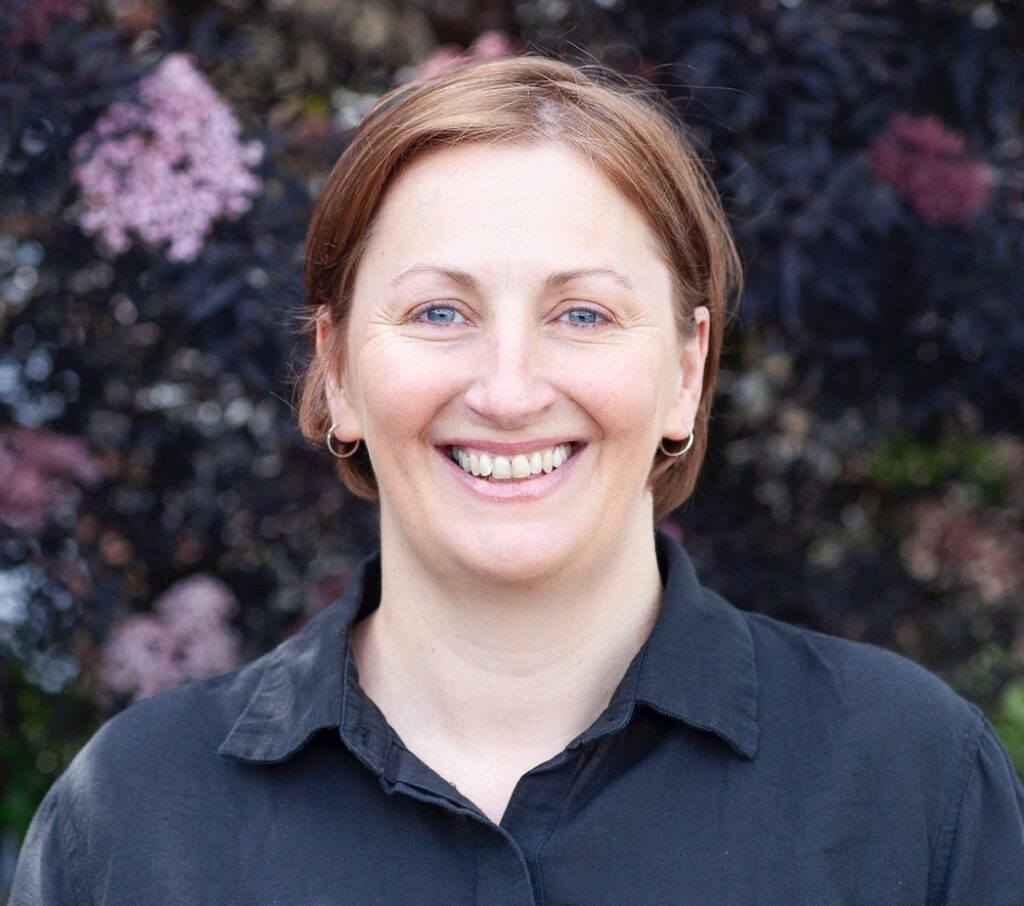
Christine Oliver
Trust Secretary, Polden-Puckham Charitable Foundation
A foundation spends down its funds to meet the challenge of this moment
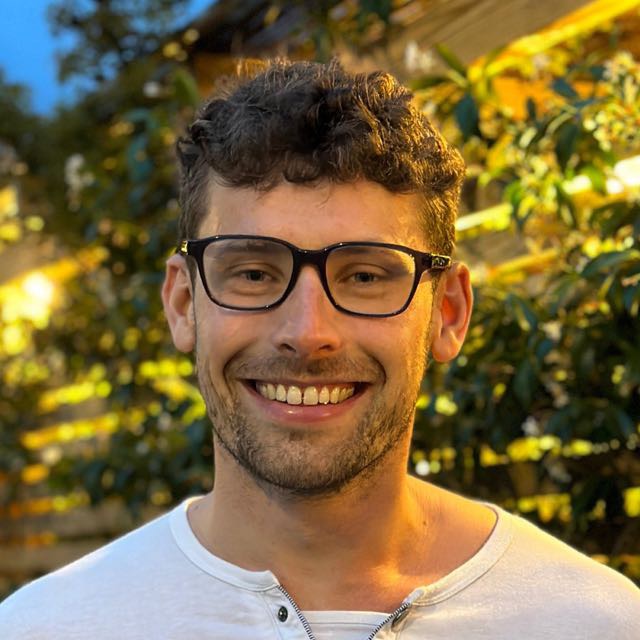
William Kenyon
Individual donor
A donor realises that funding what he’s passionate about allows him to stick with it for the long-term
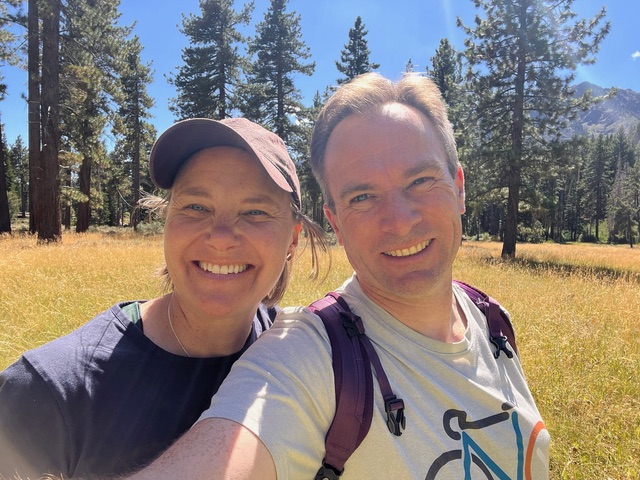
Stephanie & Stuart Mills
Co-Founders, Practical Acts
A couple mobilises the spectrum of their wealth to support the environment
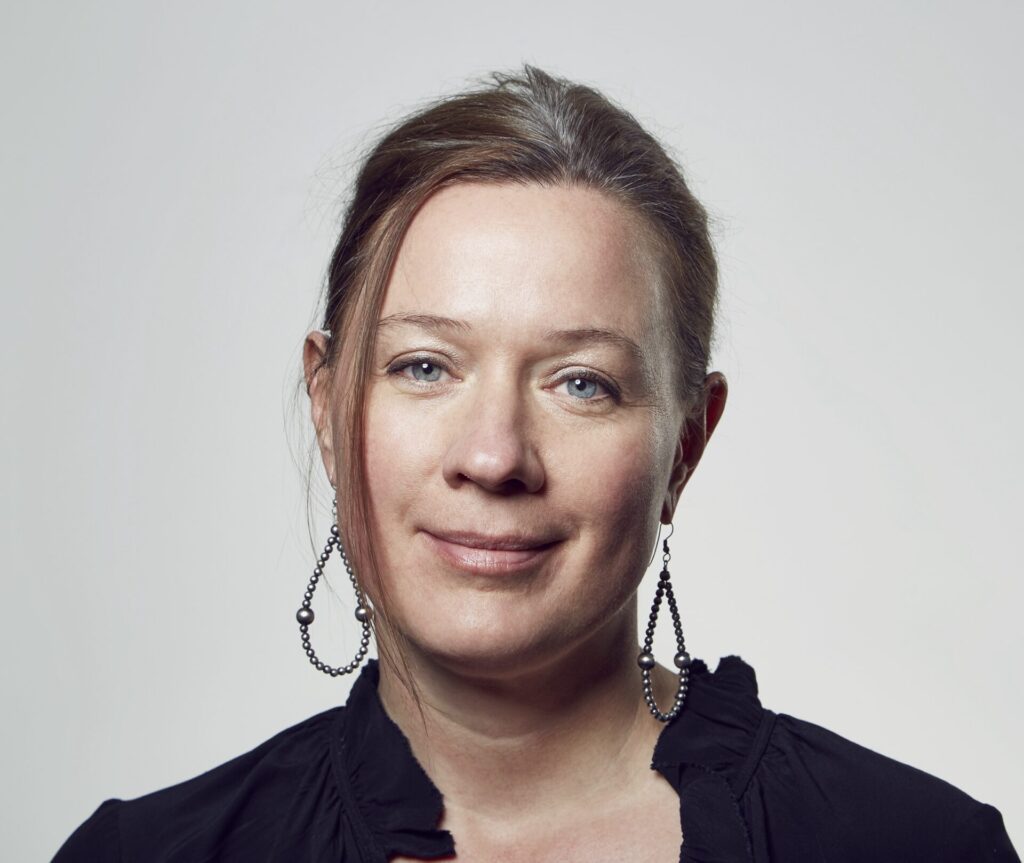
Jessica Sweidan
Co-Founder, Synchronicity Earth
A foundation helps other donors protect life on earth