10.
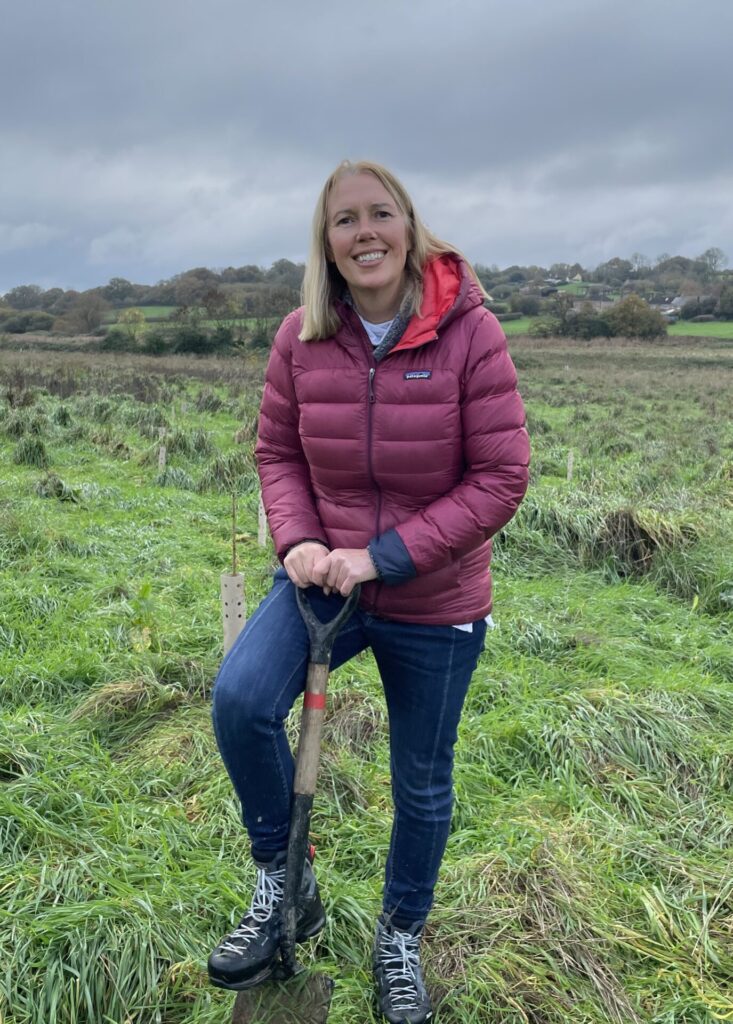
Julia Davies
Founder, We Have The POWER
A donor directs her wealth and legal expertise towards transformative change
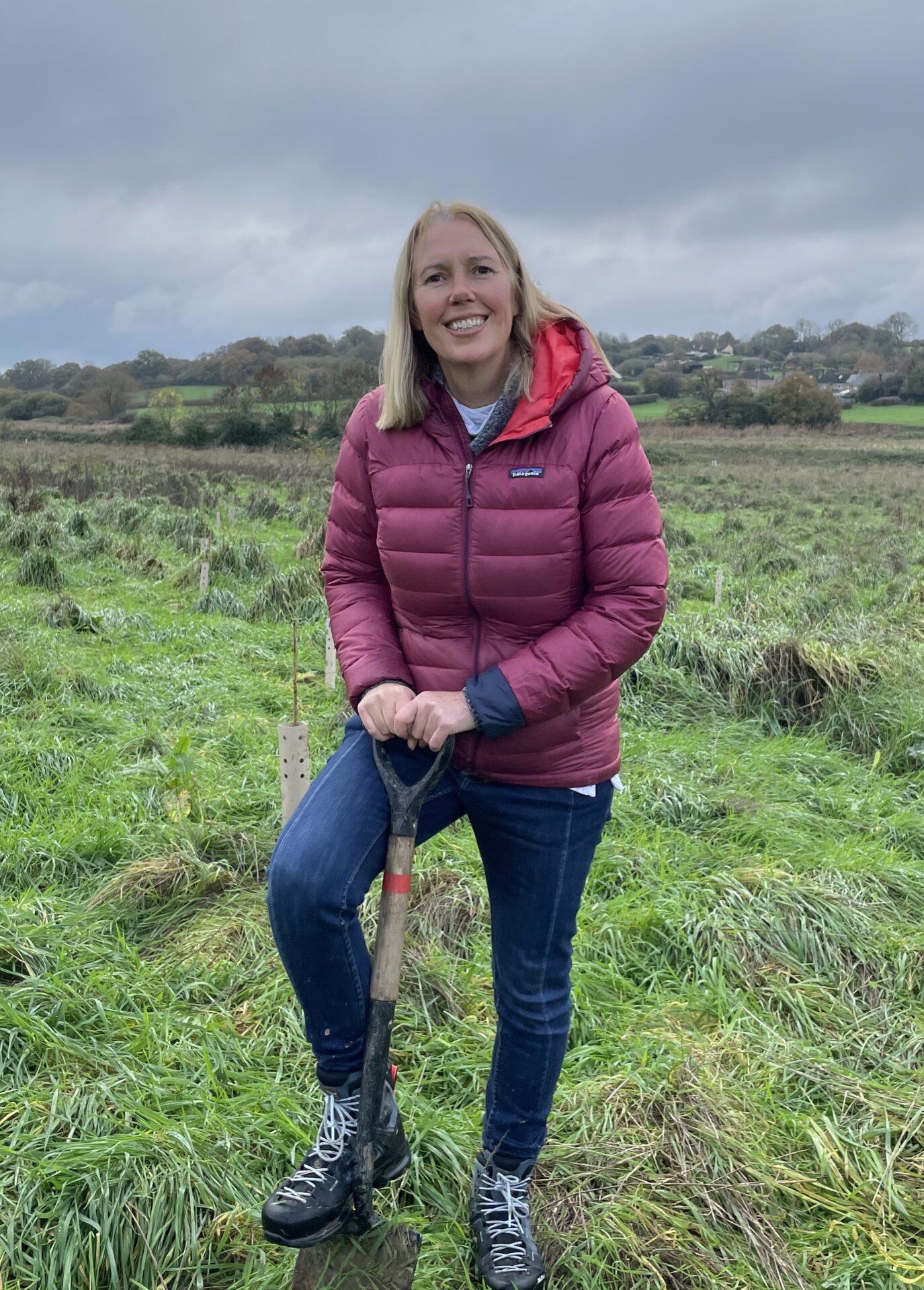
I grew up in a house full of animals and always loved the outdoors. I was a big Gerald Durrell fan. I’ve always been aware of the problems our natural world is facing. I’ve been a member of Friends of the Earth and Greenpeace since I was a teen.
My ability to do more about environmental issues came when I sold my shareholding in Osprey Europe, the European distributor of Osprey backpacks. That gave me money to invest and do philanthropy on a bigger scale. It coincided with a big ‘State of Nature’ report being published, which highlighted the fact that our nation of supposed animal lovers had one of the most nature-depleted landscapes on Earth. At the same time, climate was coming more to the fore, with youth climate strikes pushing for a climate emergency to be declared. So these issues finally getting some public attention coincided with me coming into some money to do something about it.
Getting started as a donor
I notionally set aside a certain amount to give away. I’ve been working with charities for most of my professional life – I was a commercial lawyer, and specialised in working with charities – and decided I didn’t want to waste money setting up a foundation. I wanted to do my charitable giving very quickly and efficiently. I knew that we were facing a real crisis point, and that anything I donated then would be far more valuable than anything I did in the future.
I decided to use a donor advised fund because that was very lean and didn’t involve my time setting up a charity. It also meant I could magnify the money I was giving through Gift Aid: I worked out that it almost trebles the benefit to the charity you’re giving to, in terms of the discount you get on your tax return and the money which the charity can claim back. Once I’d set that up, I completed that donation process within about four years.
Initially I focused on tackling single-use waste. I funded quite a lot of projects and campaigns along those lines, for example a Greenpeace survey on supermarket plastics, which identified Sainsbury’s as being at the bottom of the league table. I donated to City2Sea to do some projects in the hospitality sector – a really successful project encouraged hotels to swap out those little mini toiletries for refillable bottles instead. This contributed to a significant change in the hotel sector.
After a period of making grants to various campaigns highlighting the problems of single use waste, I decided to invest in solutions too. I was very clear that it wasn’t enough to just give some money away, and then invest the rest to make more money and forget about it. I wanted to use money at my disposal to achieve as much impact as possible.
My investments in early-stage companies focused on reusable solutions in place of single use and throw away. Many of the companies I invested in have failed; that’s felt hard. The companies worked really hard to develop and establish things like reusable medical textiles (in place of plastic disposables) and refillable grocery containers. Single use plastic is cheap because its price takes no account of the environmental harms caused by its manufacture and disposal. It’s profitable to keep generating this waste, so corporations lobby against change. Companies trying to do things better just can’t compete without changes in the law; they fail because of that influence.
I don’t see the money I invested as being wasted. I still believe firmly that we need to invest in both campaigning to change the system and in solutions to tricky issues like ending single use waste, so that when the barriers are removed, those solutions can be scaled.
Our nation of supposed animal lovers has one of the most nature-depleted landscapes on Earth.”
I was very clear that it wasn’t enough to just give some money away, and then invest the rest to make more money and forget about it. I wanted to use money at my disposal to achieve as much impact as possible.”
Supporting nature and legal action
I also supported a variety of organisations exploring how to use the law to push for climate action, which was satisfying for me, being a former lawyer. I’d always felt that lawyers should be the good guys. That’s why I went into the law. The causal connection between the actions of fossil fuel companies and climate change is getting stronger and stronger from a scientific point of view. Trump aside, it feels like we are getting closer to being able to use the law to tackle these issues.
There has been some great progress. I funded a roundtable through the Good Law Project where we gathered barristers with different specialisms – a criminal lawyer, corporate lawyer, international corporate lawyer, tort lawyer, child protection lawyer – and worked out what areas of law could be used to force action on climate change. From that, legal action is being taken forwards now. I also funded some international actions, like the one where the Portuguese youth took the EU countries to court over climate change. These approaches are really, really important.
Once I’d completed giving away the funds I’d set aside for charitable giving, I focused on how to use the rest of my funds to make change. I briefly thought about buying some land to restore it to nature, but quickly concluded that was not impactful enough, nor a responsibility I really wanted to take on. Instead I developed a project which I call Funding Nature, which involves providing philanthropic loans to Wildlife Trusts and other charities and community groups so that when land comes on the market, they can act quickly. The loans allow them to start the process of buying the land while they pursue ways to repay the money.
Loans like this are a really efficient way to achieve impact with your money, in contrast to simply investing to make money, then donating income to charity. There’s a lot of ‘leakage’ when you do that, in terms of fees to whoever is advising you, and the time and effort of managing it all – but most of all the money is not achieving positive impacts where it’s invested.
This all started for me with a project called Wild Woodbury, in Dorset, where the local community have been very much involved. Making the most of my experience as a commercial lawyer, I developed a very easy-to-understand loan agreement template designed to be simple for charities and lenders to use without incurring legal costs. I also made a donation to the Wildlife Trusts for them to develop the concept. As a result I’d say over 30 land purchases have now been made by conservation groups using that template. Providing these loans is great, but I do hope that people make loans from money they are not willing to give away, and not instead of making donations. Donations are vital for these groups to operate and also to repay the loans.
I briefly thought about buying some land to restore it to nature, but quickly concluded that was not impactful enough. Instead I developed a project providing philanthropic loans to charities and community groups, so that when land comes on the market, they can act quickly and then pursue ways to repay the money.”
Investing in community energy
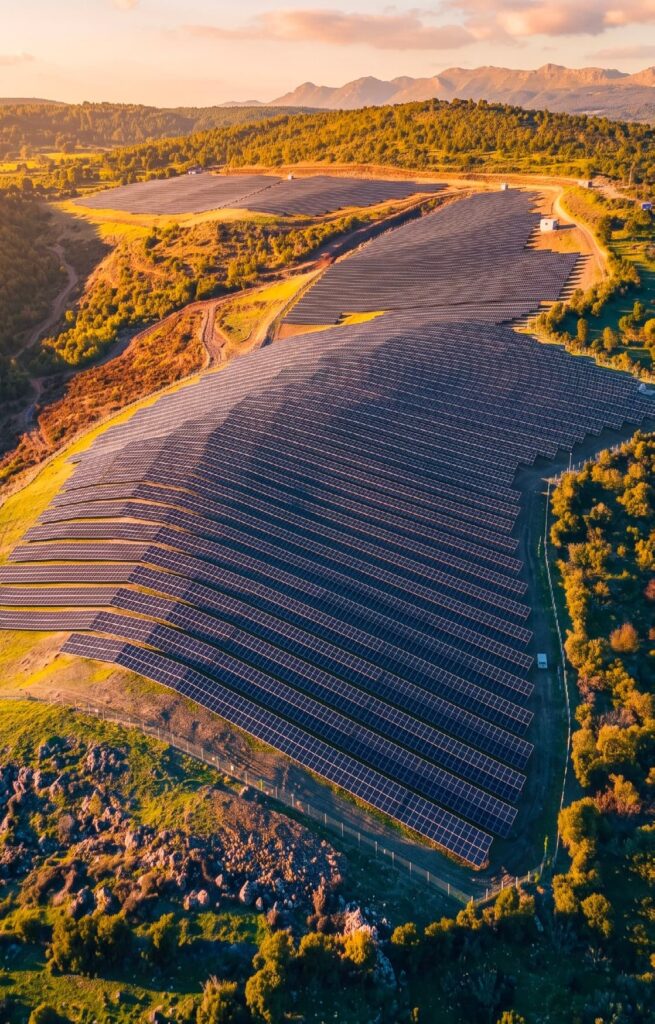
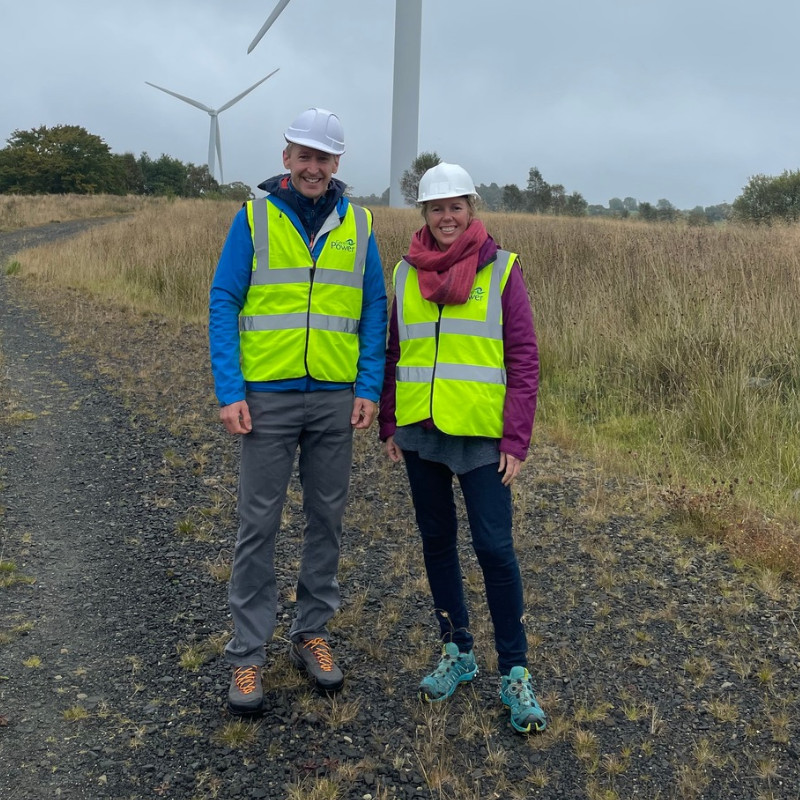
Restoring land to nature is lovely and joyful and vital, but it’s never going to be enough. We’ve got to address what’s causing the destruction of nature in the first place: pollution, climate change, our overuse of resources. Based on the model I developed for land purchase, I now work with Tim Stumpff and others to provide bridging loans to community energy companies. Once they’ve got all the approvals for a renewable energy installation, we’ll lend them the money. That gives them time to raise funding through community share and bond offers to pay us back. Our motivation is to speed up the pace of community owned and benefiting renewable energy.
We are repeatedly being told this myth that we can’t afford to transition to renewable energy, that the cost of transitioning to renewable energy is costing the poorest people in society. It’s not true, but it’s really important that the transition to renewable energy directly benefits the communities where the energy generation is happening.
My family are from South Wales, which powered the Industrial Revolution with coal. Most people of those communities didn’t benefit significantly; they were left in poverty, despite paying a huge price in terms of health, lives lost and environmental damage. Community energy offers the opportunity for people to directly benefit from energy generated in their communities.
I love visiting the renewable energy projects we support. A particular favourite is Energise Barnsley, based in an area that has been really left behind economically. The project has put solar panels on around 310 social houses. Tim and I met with some of the residents, who told us that they watch their smart meters on a daily basis because they need to know how much they’re spending on energy. One young woman told me that having the solar panels meant that she could invite her family for Christmas dinner because she could afford the cost of having the oven on for so long. It was really moving to hear first hand what impact we were helping to have on her life.
It’s really important that the transition to renewable energy directly benefits the communities where the energy generation is happening.”
We’ve got to support personalities with positive, hopeful messages that push back against this narrative that we’re all dog-eat-dog and that this is somehow natural behaviour. It’s never been natural behaviour.”
Threat of the far right to the environment movement
For me this isn’t just about environmental issues. It’s about holding the line against the push towards the far right. We are facing considerable challenges, which we’ve seen in the States and which are coming here, too. These challenges could not be more interrelated with the environment. The forces that are pointing to immigration and small boats are the same forces pushing to keep using fossil fuels. They’re doing everything they can to slow down our transition away from oil and gas. They want to continue making money from fossil fuels for as long as possible, and they will do anything to enable that. We’re all distracted trying to fight racism and growing polarisation and women’s rights to choose – these battles are designed to deplete our energy so we cannot keep pushing for a just transition away from oil and gas.
What we’re missing in the environmental movement is our ability to bring people with us, which, unfortunately, the far right has done well. They have embedded influencers into the popular cultures of young and old people, not through simple campaigning but by creating personalities who push their agendas. We talk about grooming of young people but older people are being groomed – and they don’t get PSHE lessons! I see the most disturbing, hateful comments on social media from older people. Some of it is about immigrants and some of it is also directed at renewable energy.
This is complicated work, but the people we are trying to defend our world against are really good at it and have been doing it well for a long time. We’ve got to support personalities who are pushing far more positive, hopeful messages – not necessarily directly about the environment – that push back against this narrative that we’re all dog-eat-dog, that everyone is in it for themselves and that this is somehow natural behaviour. It’s never been natural behaviour.
One of the things I’m involved with is Patriotic Millionaires. We campaign to address extreme wealth inequality. It’s so good to spend time with people who also feel that having wealth gives you a responsibility to really do something with it. As a Patriotic Millionaires member, you’ve got to be willing to pay a fair level of tax on your wealth. That’s all part of being part of a functioning society, because we can’t fund that just based on philanthropy. That doesn’t work, it never has worked, and what we don’t want to do is go back to the Victorian era, where schools, hospitals and pretty much everything were down to the largesse of wealthy people.
A final point: on LinkedIn the other day there was a post about how some ‘wasteland’ was being ‘put to use, finally’. But no land is wasteland. We’ve got to stop seeing everything through the lens of what we as humans want. We can’t look at every bit of land, every resource out there, thinking, ‘What can that do for us?’ We need to be good neighbours. We aren’t the only life in this world.

I saw a post the other day about how some ‘wasteland’ was being ‘put to use, finally’. No land is wasteland. We aren’t the only life in this world.”
Interviews
Nick Oldridge
Individual Donor
A donor sees the need for a different type of climate communications
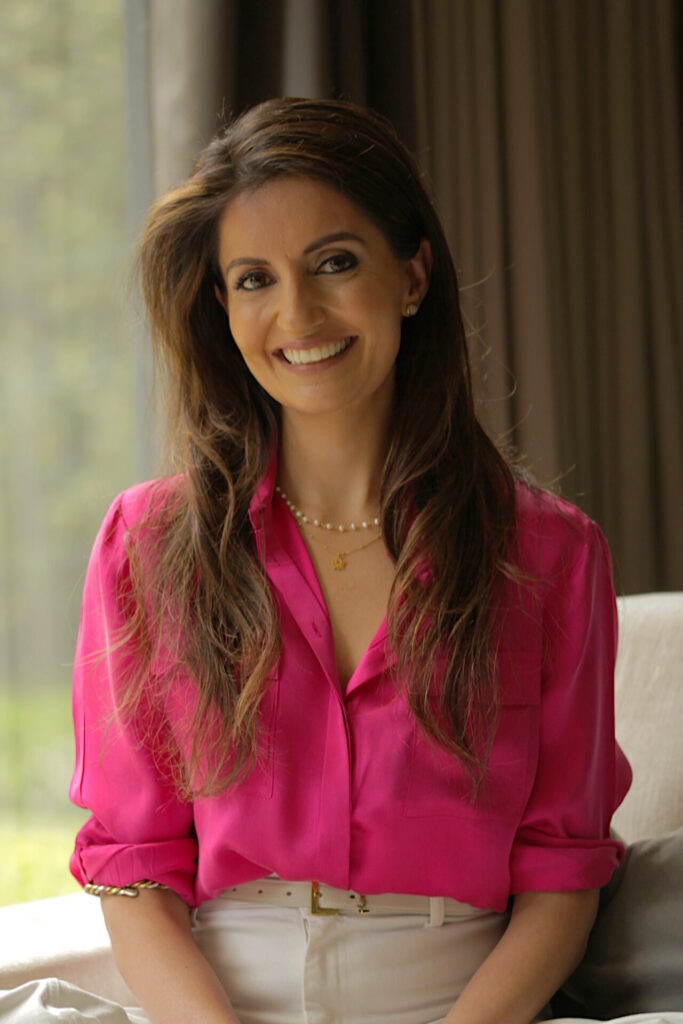
Sonal Sachdev Patel
CEO, GMSP Foundation
A family supporting the grassroots.
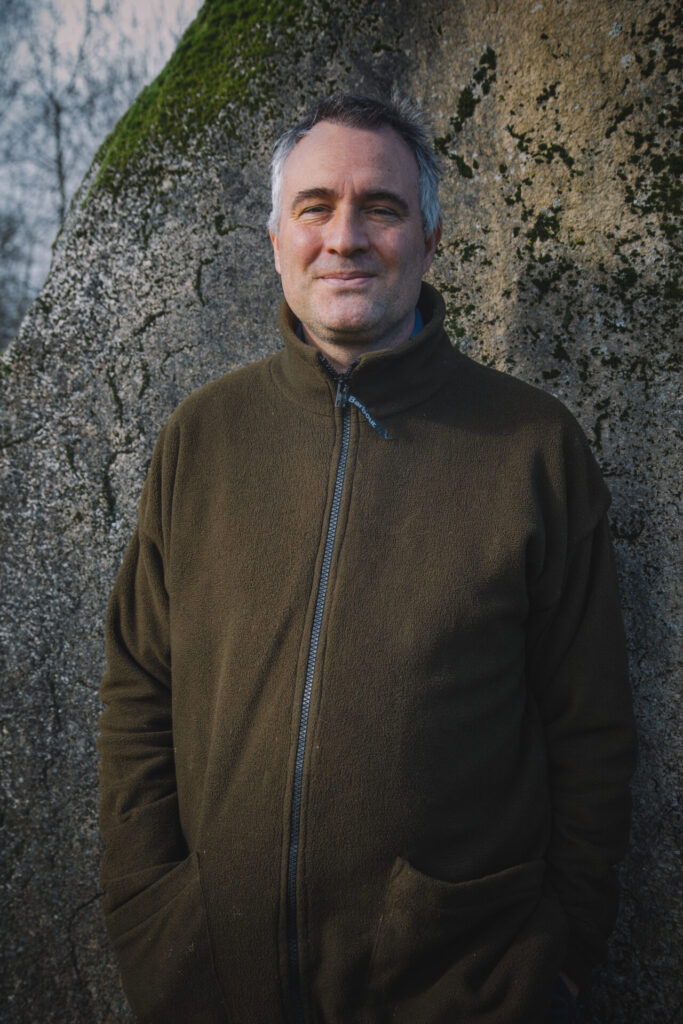
Ben Goldsmith
Chair, Conservation Collective; Trustee, Children’s Investment Fund Foundation
A lifetime championing nature
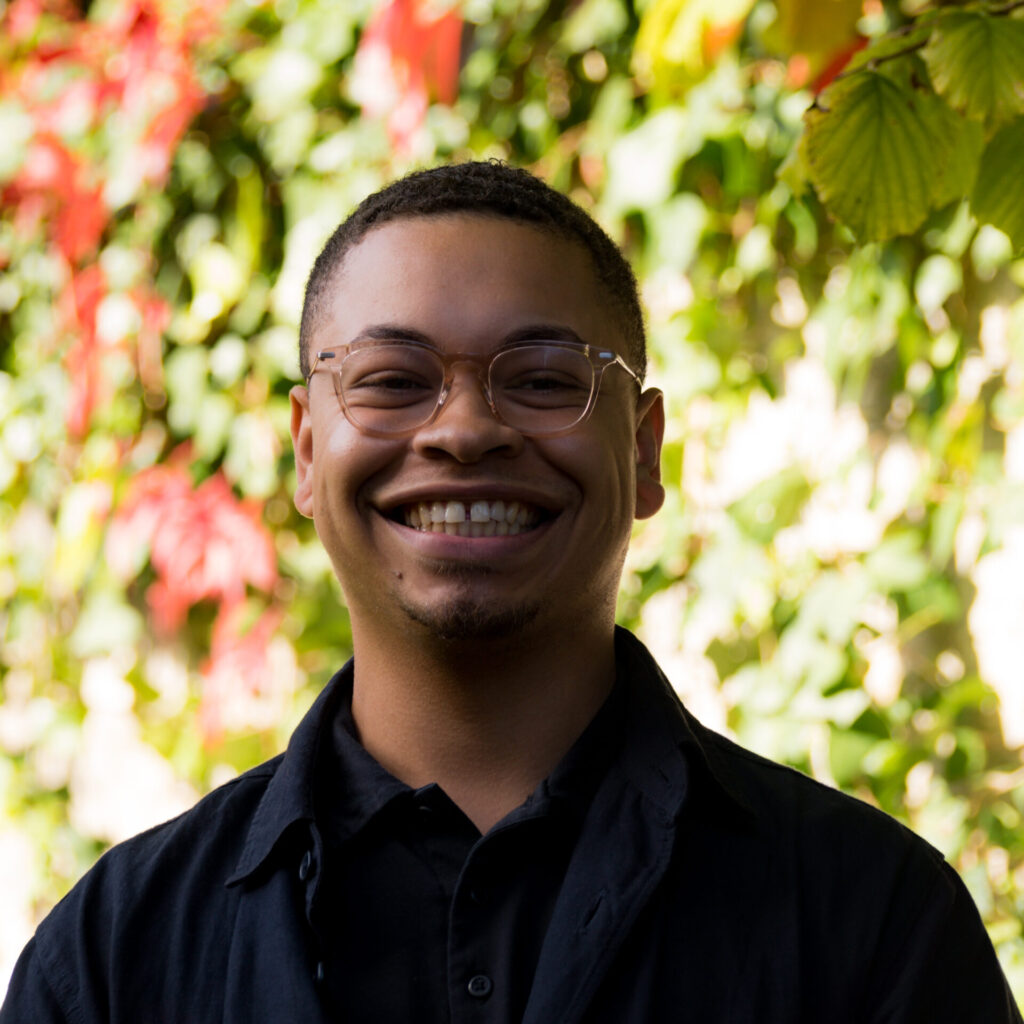
Eli Manderson Evans
CEO, Blagrave Trust
A youth funder recognises the urgent need to address climate change
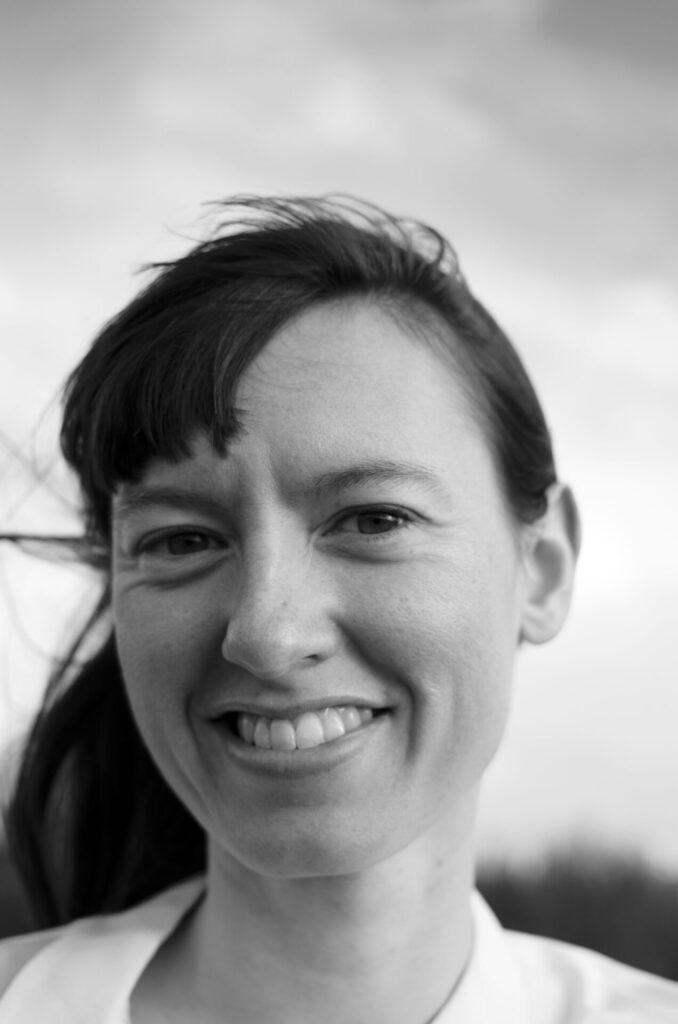
Leonie Taylor
Trustee, Taylor Family Foundation, and individual donor
A donor faces the origins of her wealth
Sufina Ahmad
Director, John Ellerman Foundation
A foundation shifts from funding individual issues to focus on systemic change
Lauren Gupta & Becky Holmes
Co-founders (with Bill Holmes), The Helvellyn Foundation
Next generation donors with a passion for wildlife and trust in their partners
Sophie & Nick Marple
Co-Founders, Gower Street
A couple deploys their wealth to tackle the climate crisis
Renata Minerbo
Co-Founder with Seth Tabatznik, Be the Earth Foundation
A family foundation supports the shift to an eco-centric economy
Julia Davies
Founder, We Have The POWER
A donor directs her wealth and legal expertise towards transformative change
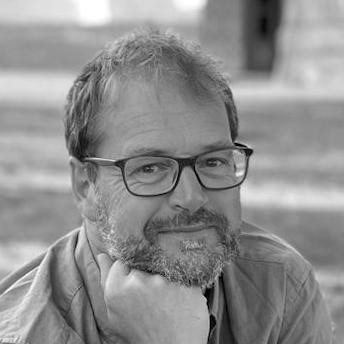
Jon Cracknell
Trust Secretary, The Ecology Trust
A long-time funder shares his reflections on where the environment movement is succeeding and what funders could do differently
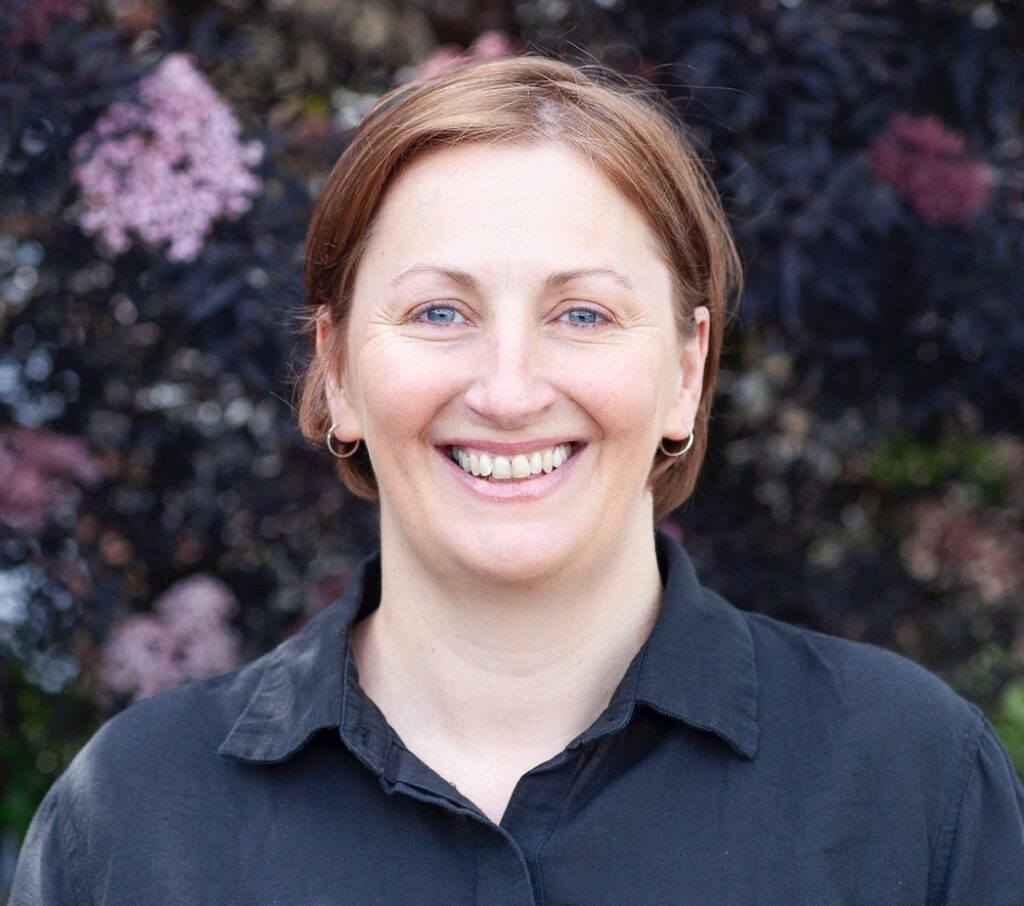
Christine Oliver
Trust Secretary, Polden-Puckham Charitable Foundation
A foundation spends down its funds to meet the challenge of this moment
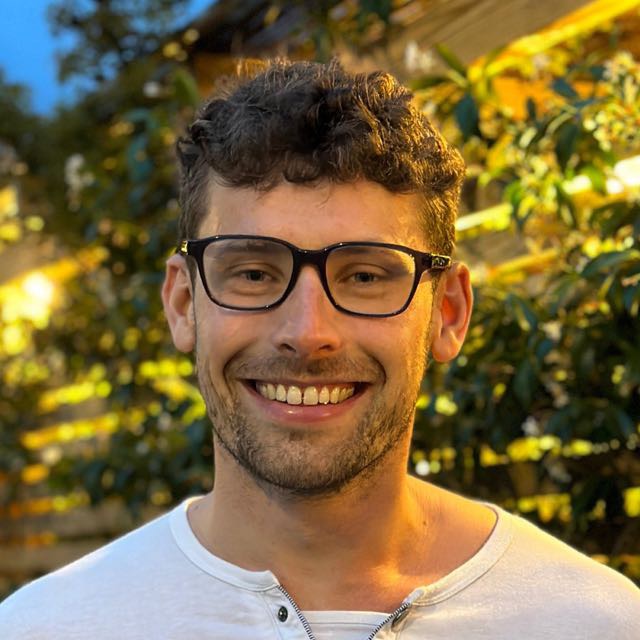
William Kenyon
Individual donor
A donor realises that funding what he’s passionate about allows him to stick with it for the long-term
Stephanie & Stuart Mills
Co-Founders, Practical Acts
A couple mobilises the spectrum of their wealth to support the environment
Jessica Sweidan
Co-Founder, Synchronicity Earth
A foundation helps other donors protect life on earth