09.
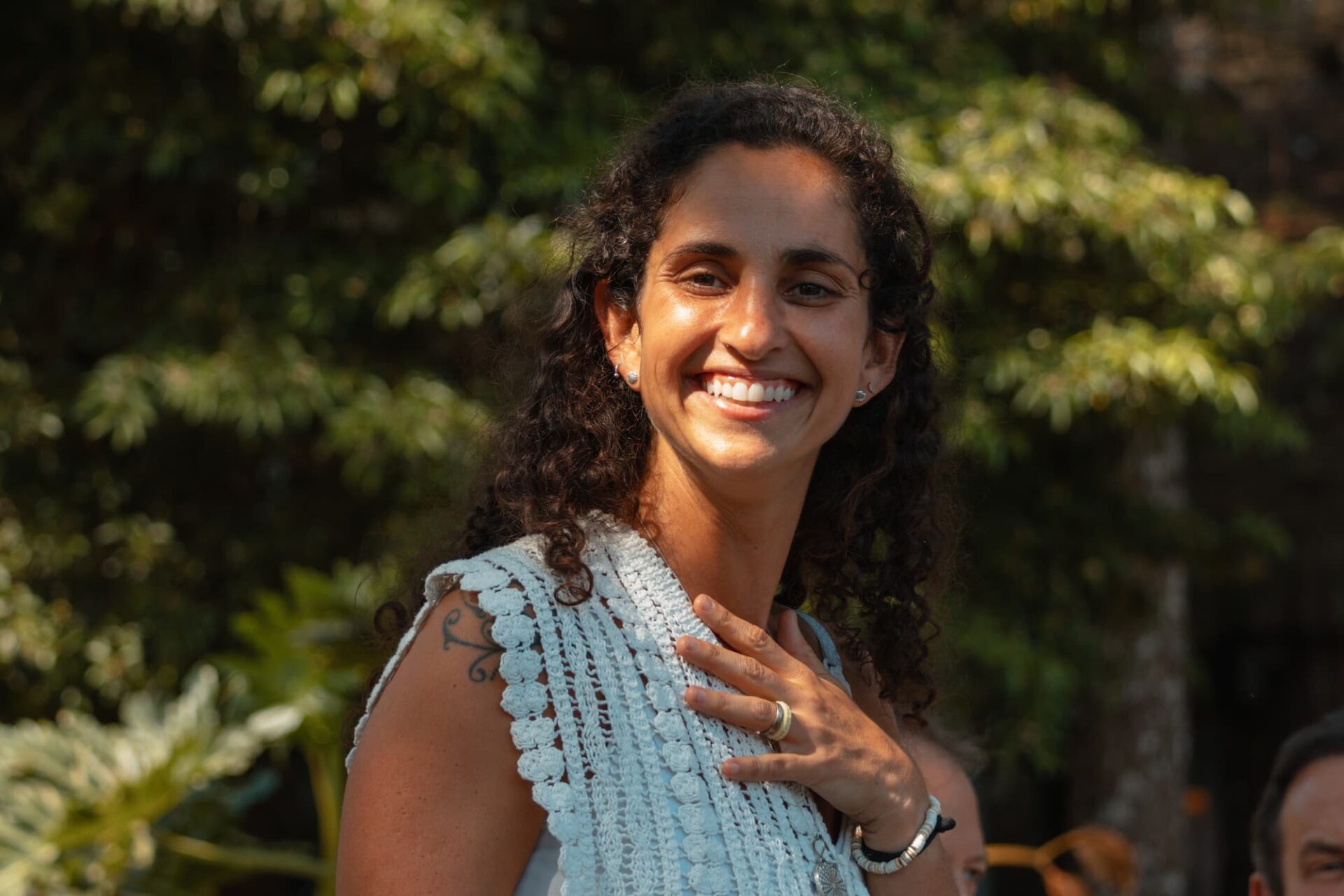
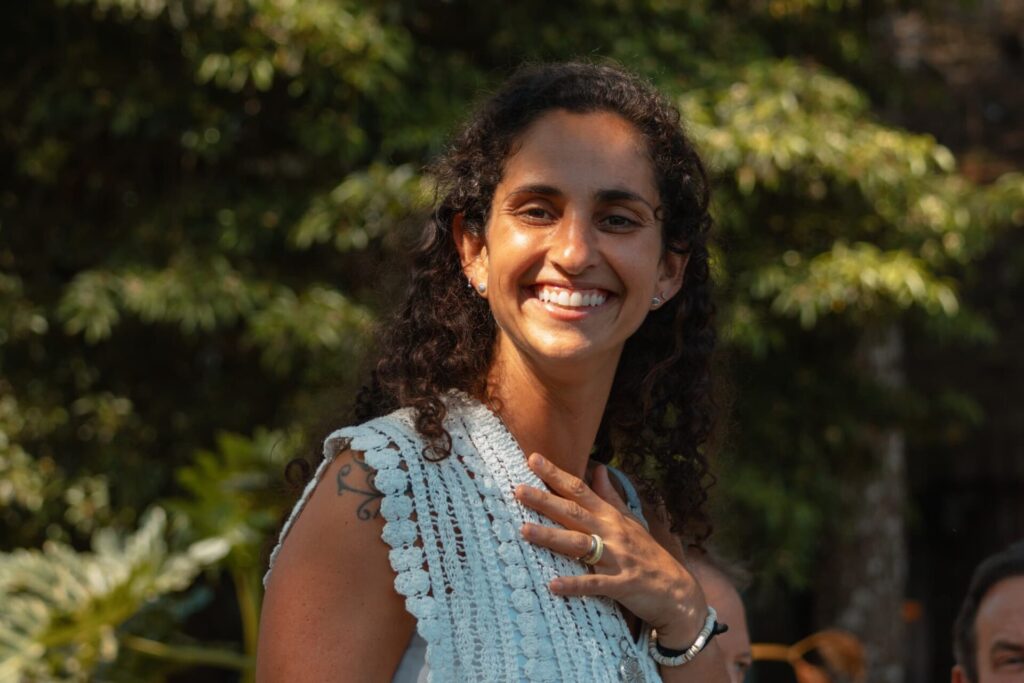
Renata Minerbo
Co-Founder with Seth Tabatznik, Be the Earth Foundation
A family foundation supports the shift to an eco-centric economy
Tell me about Be The Earth. What’s its history? What would you say characterises the foundation’s approach to addressing environmental issues?
It’s a family story. Around 20 years ago, my husband Seth’s father sold his business and started a family foundation focused on human rights and fighting for justice. The family foundation was funding documentaries about the damage certain companies were causing, and Seth realised that the family’s investment portfolio included those companies. That was the beginning of his journey to transition the whole family portfolio towards more impact-aligned investments.
At the same time, Seth had reached the stage of wanting to do his own philanthropy, having made ad hoc donations up to that point. I joke that when we met, he was a single dad, pregnant with Be the Earth.
I grew up in Brazil, where I had a social business working to help co-create public spaces with community members – community centres and things like that. So I’d been on the other side of applying for funding and trying to measure things like community belonging and empowerment; things that are very hard to quantify.
When we got together, Seth’s impact investing background met with my on-the-ground experience and Be The Earth was born. We wanted to make sure that its investments and its philanthropy were aligned under the same vision. So the foundation owns the investment vehicle, it’s a closed-loop model; any profit that the investments make are sent to the foundation.
We were very keen to do things that are less bureaucratic and less attached to numbers and big scales, knowing that the magic happens on the ground, at the grassroots, funding the gaps and having a holistic approach, not from technical fixes. We want to encourage a transition towards a more eco-centric economy, where people are part of nature. People need to feel this in order to act it, right? It’s not just a rational thing; we need to experience it in our bodies.
So we focused on four areas of work. One is the redistribution of wealth, donating money. That aims to shrink the amount of wealth we hold into what we think is enough and healthy.
A second is what we call the transformative experiences of our programmes. We offer holistic support to women through fellowships; we host retreats and events that can bring the experience of head, heart and hands – where people can actually embody what it means to be regenerative and eco-centric. We also have grants programmes with decentralised decision-making processes.
The third area of work is on ethical investments. This programme is focused on how to allocate money in ways that feed our vision of a regenerative future. We experiment with different financial models that help us move away from the extractive relationships and power dynamics that currently exist.
Finally we have storytelling and communication: sharing inspiring stories from our network and from the things we experience as widely as possible. People have sometimes been touched by the stories we have shared and have voluntarily asked if they can donate towards some of the programmes. That’s the ripple effect we are looking for.
On top of all this, one thing we have always done is support the mental health of our partners; to give them the opportunity to rest and be taken care of. Activists are in constant tension – financial tension, but also, in some cases, not knowing if they’re going to be arrested tomorrow. Even the social entrepreneurs we work with are under so much pressure, trying to please their investors, making the business work. How do we help take care of these people? Often we organise a very cool programme for an event, and the feedback we get is that the highlight was just having long meals and being able to pause and jump in the lake. It’s amazing the effect that this can have. As Satish Kumar says, ‘love is not efficient’. But it does feed effectiveness.
We have always supported the mental health of our partners, giving them the opportunity to rest and be taken care of. As Satish Kumar says, ‘love is not efficient’. But it does feed effectiveness.”
What do you mean by an extractive versus a regenerative economy?
For me, the extractive economy is always taking and rarely giving back. It’s a constant chase for growth and scale, in a finite world with limited resources. It’s an illusion that we’ve built.
A regenerative economy is about: what is enough? You ask deeper, philosophical, existential questions. It means you don’t necessarily need to scale and become a global corporation with hundreds of thousands of employees and billions of income. A regenerative economy is more reciprocal. It considers beyond the financial; it considers life. It recognises that we need the planet to keep surviving. There’s no point in having billions of dollars and having no water or air.
How do you find the organisations that you partner with, and then how do you decide whether to fund or invest in them?
The first very tangible cut is our geography focus: we fund in Brazil, South Africa and the UK, countries where we have connections. When it comes to philanthropic grants, we prioritise vulnerable communities, focusing mostly on Indigenous people, farmers and growers. We don’t accept unsolicited requests.
Part of our budget is actually not decided by us but through Flow Funding (I’ll explain that shortly). Most of the pooled funds and collaborative initiatives that we take part in with other funders create committees of people who are on the ground and have the lived experience of whatever issue they are addressing; they are the ones deciding where the funding goes. That’s how most of our direct grant giving to individuals (versus organisations) happens, through these people, not us.
On the ethical investment side, we have been exploring different models along the spectrum of capital that runs from grants purely focused on social/environmental impact to investing purely for financial return, including low- and no-interest loans, revenue-based finance and blended finance. With our investees, we explore how they are governed and what their vision is for the business. We look for values-aligned organisations with innovative business models that are obviously addressing social and environmental issues.
One big source of learning for us is around being a part of networks. For example, the same way EFN is a great source of information about environmental practices, Toniic is a great source of learning about investing for impact. They do courses, but they also share deals and things like that. The Impact is another network that we’ve been flirting with the idea of joining; they have quite edgy conversations going on there. There are also geographically focused networks, like the African Venture Philanthropy Alliance. They offer both learning and deal flows.
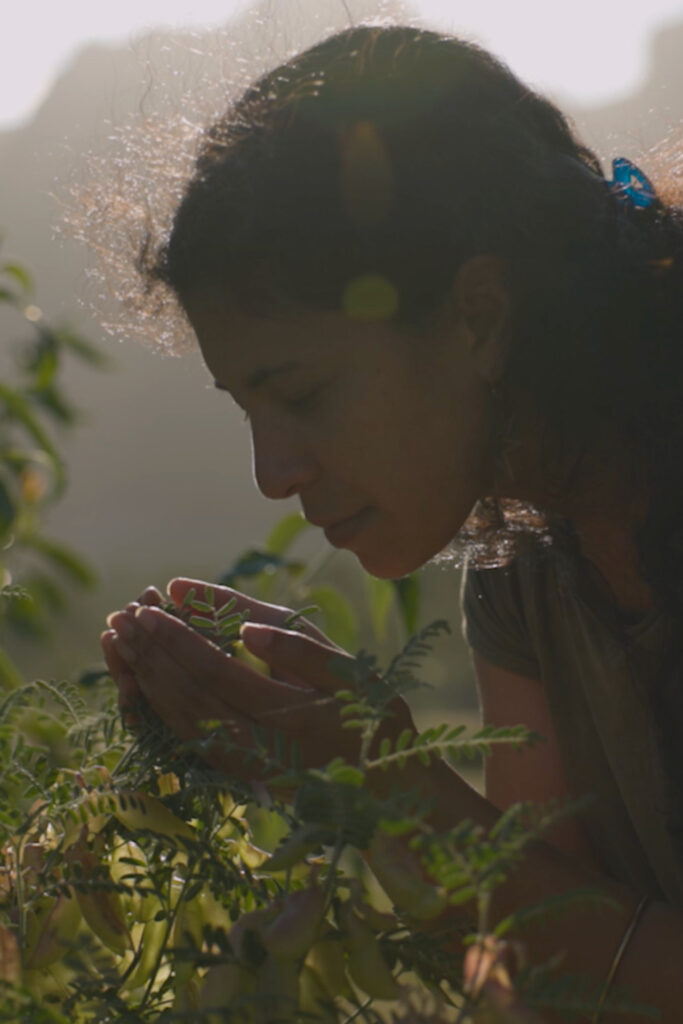
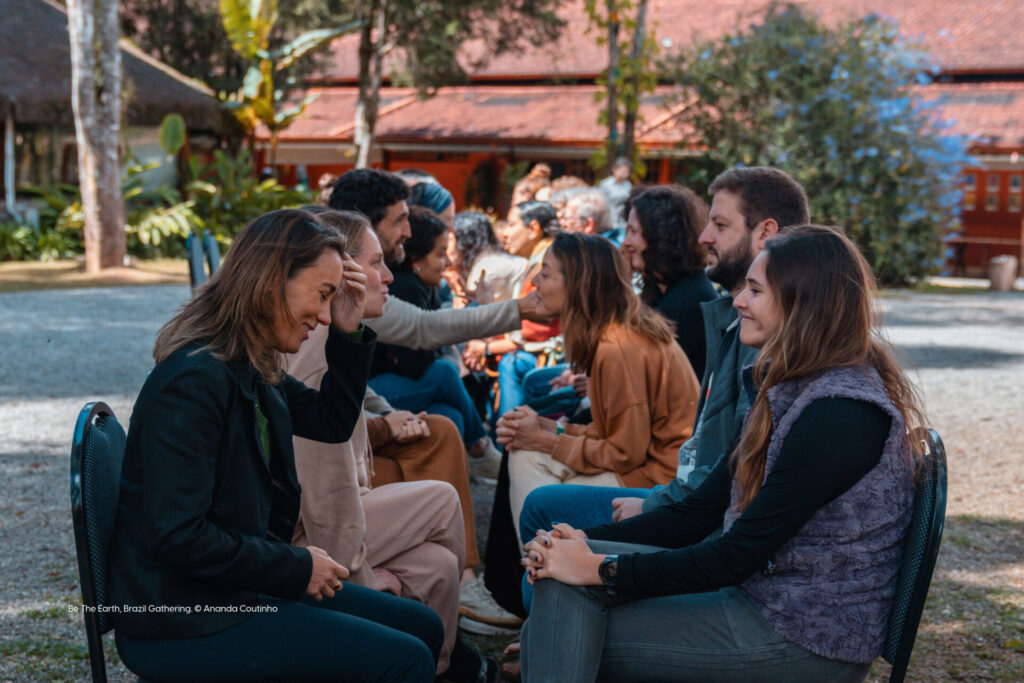
Part of our budget is decided not by us but through Flow Funding. You invite people that you trust, who are aligned with your cause and geographies, and then transfer money to their personal bank accounts. They have full autonomy on who to give it to and how much.”
How do you consider equity, justice and power dynamics in your philanthropic giving and your investments?
Power dynamics are entrenched in the philanthropic and investment worlds, because money has so much power. We make a lot of effort to break down this power dynamic, but it’s still there. We constantly create space for feedback, for co-creation; as I said, part of our budget is not decided by us. Those are healthy practices, and they move us towards a bit more power sharing, but they don’t make this power dynamic disappear. It’s frustrating because we’d love that to happen, but it doesn’t.
Let’s use Flow Funding as an example. One of the first people we spoke to when we decided to start Be the Earth was Marion (Rockefeller) Weber, who created Flow Funding 35 years ago. We found the idea inspiring: you invite people that you trust, who are aligned with your cause and your geographies, all of that, and then you transfer money to their personal bank accounts, so they can have full autonomy on how to decide and move the money around. They decide who they want to give it to, how many people and how much.
They report on what they did with the funding through their own stories: articles, webinars, interviews. We have bi-monthly calls, where people can meet and share their learnings and their experiences. Once you figure out the legal path – each country has a different legality in terms of how much you’re allowed to give to individuals – it’s a win-win for everyone. There’s very little admin for us because we give the money once. The people we choose are given a stipend for their time, their knowledge, the networks they’ve been building all these years. They usually make a lot of micro-grants. We really believe in the power of micro-grants, but with a small team, those would be hard for us to manage, so it’s a great way to be able to accomplish that kind of giving in a decentralised way.
There are other challenges, too. I remember in our pilot year, one of our Flow Funding partners was a community leader, and he had to spend time proving that he wasn’t getting money from something nefarious – we didn’t see that coming. But there are so many stories of what happens as a result of these gifts. A man who was organising to defend the forest where he lived had cataracts and was going blind. Our Flow Funding partner decided to use some of the money allocated to her to pay for his eye surgery – so that he could keep doing the effective work he was doing looking after the forest.
But many stories we will probably never know about – that’s the nature of the process.
When you make direct investments, you can expect six or seven out of ten investments to fail. But in philanthropy, you see people doing this crazy due diligence for far smaller sums of money. They almost ask you, ‘What’s the colour of your underwear?’ because they want to know everything about you for a $5,000 grant.”
What does risk mean to you?
I love this question; we’ve been sitting with it quite a lot as an organisation. I remember Seth once explaining to me that when you make direct investments, you can expect six or seven out of ten investments to fail. One or two are going to break even, and one or two are going to make a profit. You’re hoping those will compensate for the rest of the losses. These investments are generally much greater sums of money than grants made philanthropically.
But in philanthropy, you see people doing this crazy due diligence. As someone joked recently, they almost ask you, ‘What’s the colour of your underwear?’ because they want to know everything about you for a $5,000 grant, or, $10,000… When you think about what this money can do in the hands of a community, even if eventually they are not able to deliver what they said they would – what risk is that, really?
What are we scared of? It’s very fear-based, this aversion to risk.
The more unrestricted and trust-based things we do, the more I’ve exchanged with others who have adopted a similar approach, the more I trust it. It’s not a coincidence that I keep hearing, over and over, at conferences and in research reports, that trust-based, unrestricted, multi-year funding is the most transformative.
It’s not a coincidence that I keep hearing, over and over, at conferences and in research reports, that trust-based, unrestricted, multi-year funding is the most transformative.”
If nature was speaking through you, what do you think she would be saying to other wealth holders?
I think she’d want us to remember that the solutions are here already and that people are part of the ecosystem. I know sometimes conservation wants to take people out of the land. But we have an important role to play.
I think she’d say, observe more and overthink less.
Interviews
Nick Oldridge
Individual Donor
A donor sees the need for a different type of climate communications
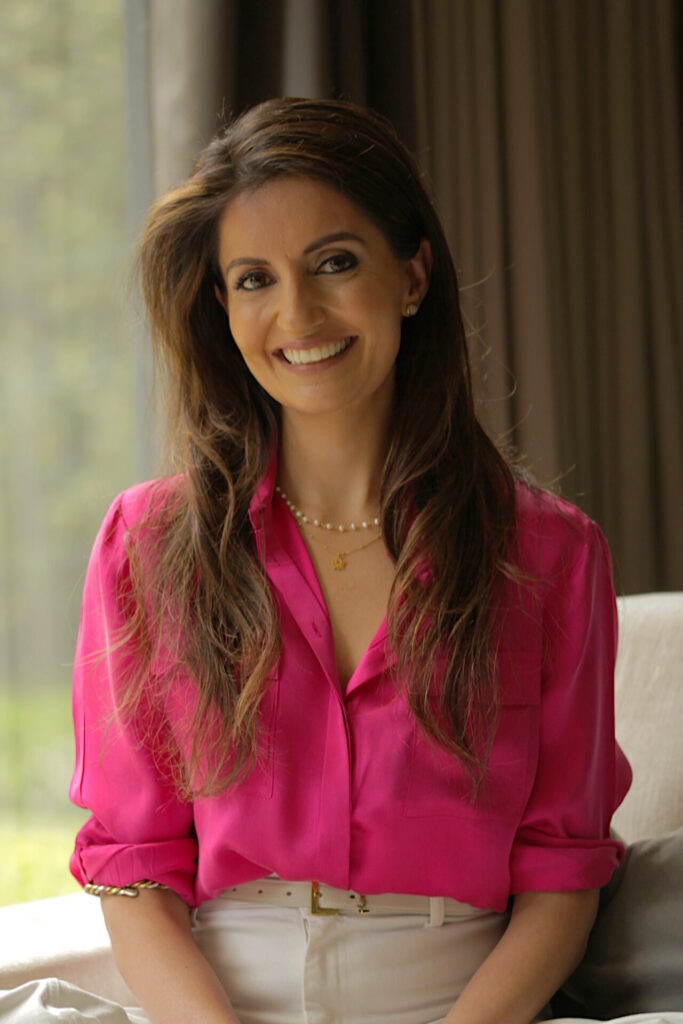
Sonal Sachdev Patel
CEO, GMSP Foundation
A family supporting the grassroots.
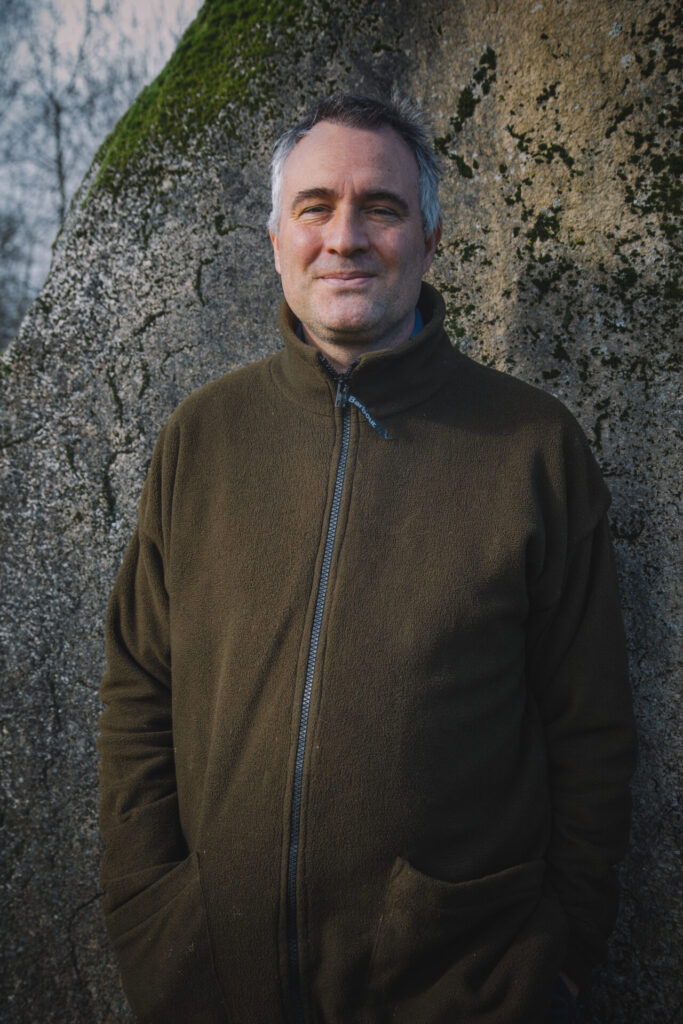
Ben Goldsmith
Chair, Conservation Collective; Trustee, Children’s Investment Fund Foundation
A lifetime championing nature
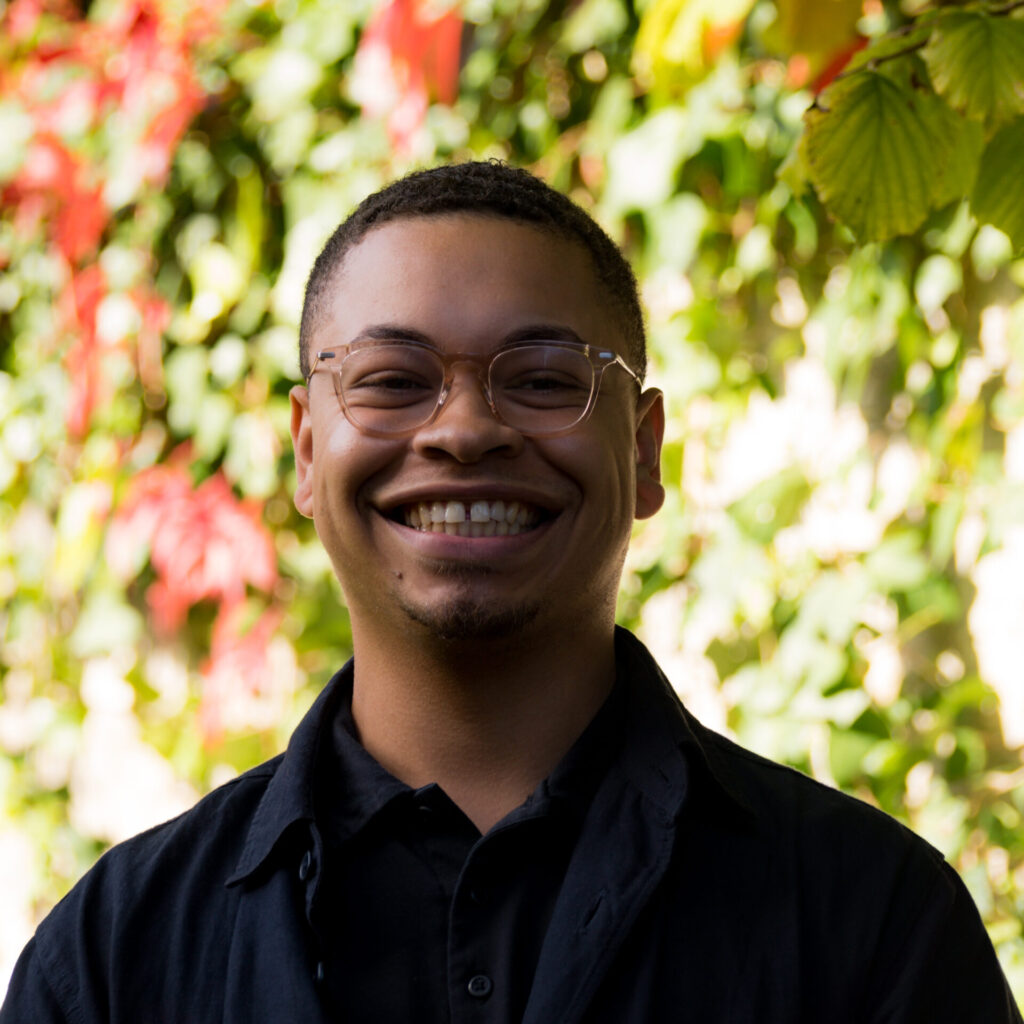
Eli Manderson Evans
CEO, Blagrave Trust
A youth funder recognises the urgent need to address climate change
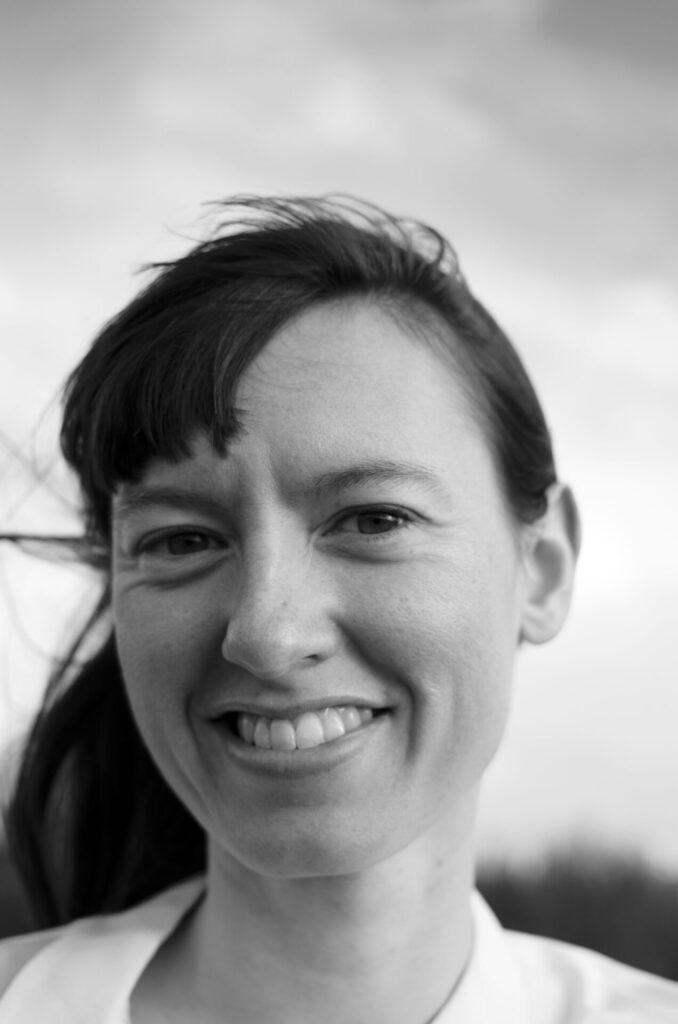
Leonie Taylor
Trustee, Taylor Family Foundation, and individual donor
A donor faces the origins of her wealth
Sufina Ahmad
Director, John Ellerman Foundation
A foundation shifts from funding individual issues to focus on systemic change
Lauren Gupta & Becky Holmes
Co-founders (with Bill Holmes), The Helvellyn Foundation
Next generation donors with a passion for wildlife and trust in their partners
Sophie & Nick Marple
Co-Founders, Gower Street
A couple deploys their wealth to tackle the climate crisis
Renata Minerbo
Co-Founder with Seth Tabatznik, Be the Earth Foundation
A family foundation supports the shift to an eco-centric economy
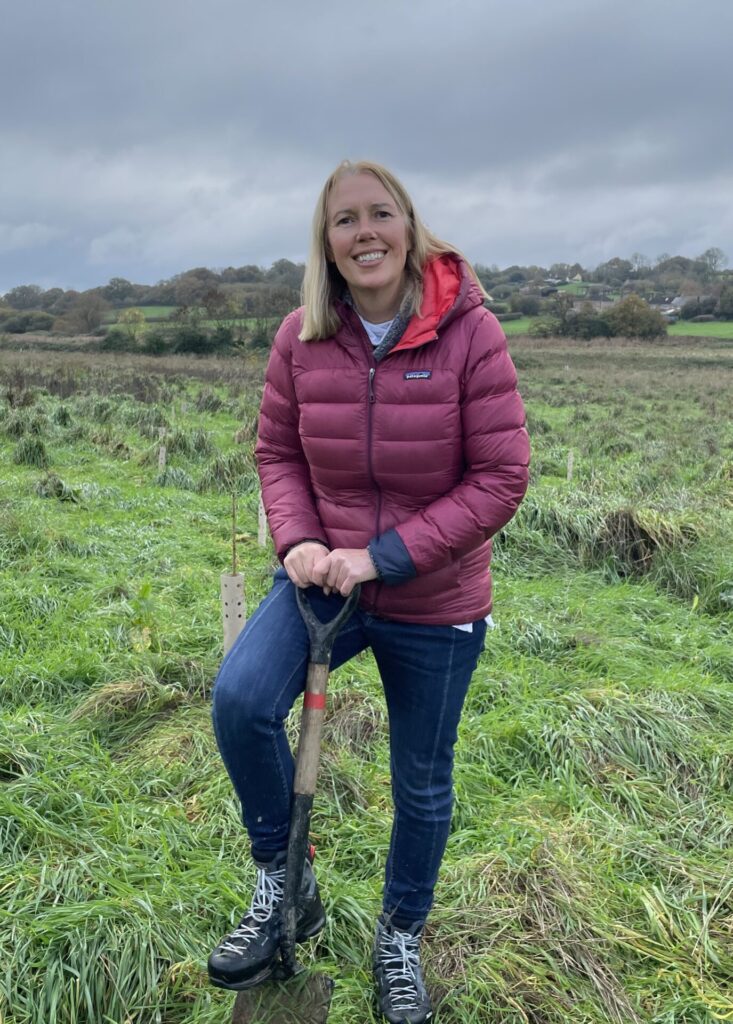
Julia Davies
Founder, We Have The POWER
A donor directs her wealth and legal expertise towards transformative change
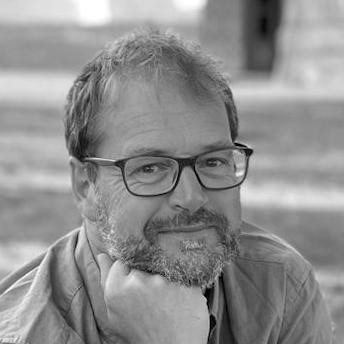
Jon Cracknell
Trust Secretary, The Ecology Trust
A long-time funder shares his reflections on where the environment movement is succeeding and what funders could do differently
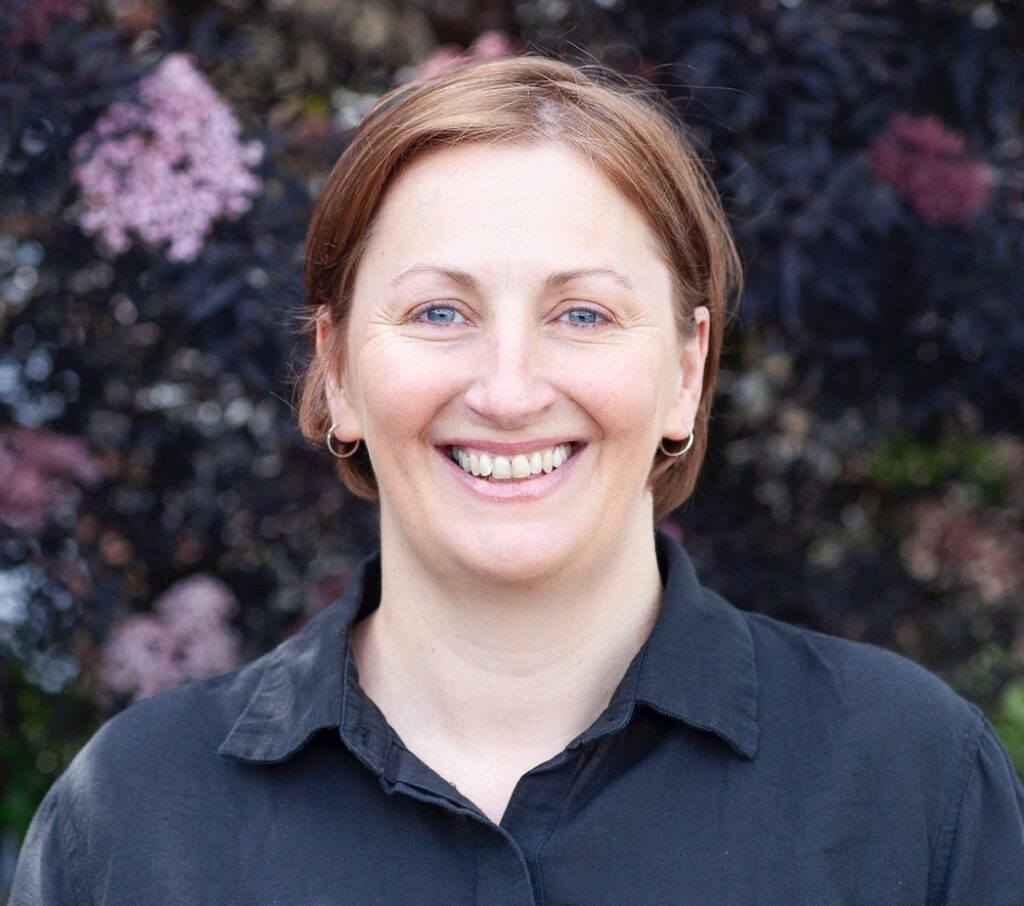
Christine Oliver
Trust Secretary, Polden-Puckham Charitable Foundation
A foundation spends down its funds to meet the challenge of this moment
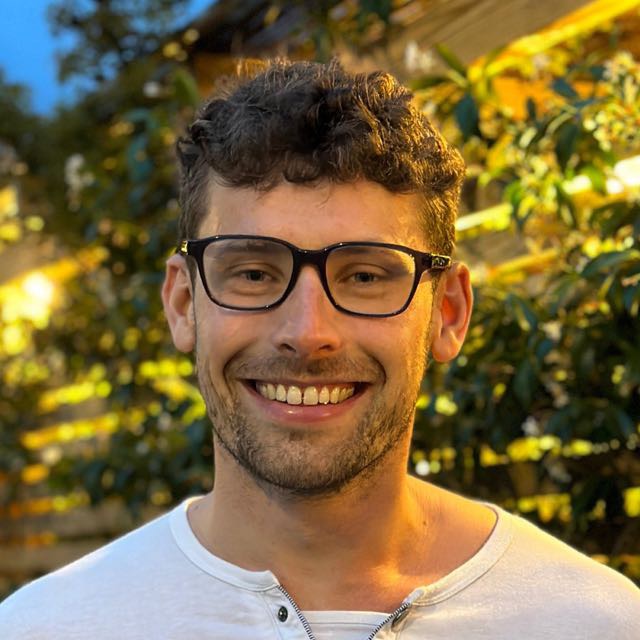
William Kenyon
Individual donor
A donor realises that funding what he’s passionate about allows him to stick with it for the long-term
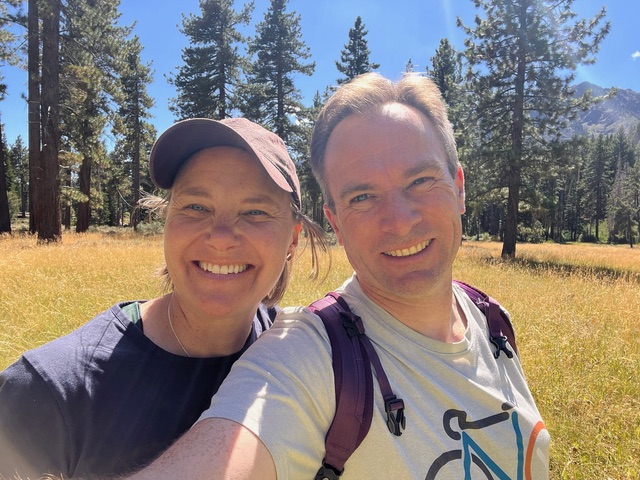
Stephanie & Stuart Mills
Co-Founders, Practical Acts
A couple mobilises the spectrum of their wealth to support the environment
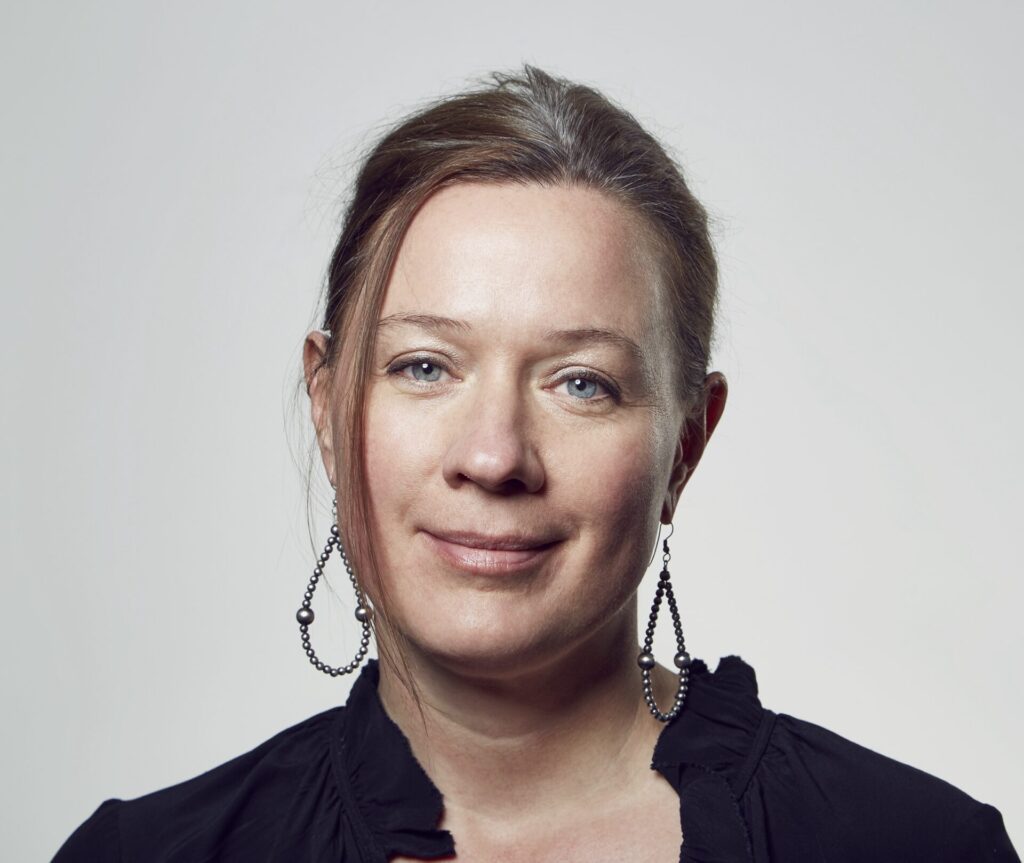
Jessica Sweidan
Co-Founder, Synchronicity Earth
A foundation helps other donors protect life on earth