15.
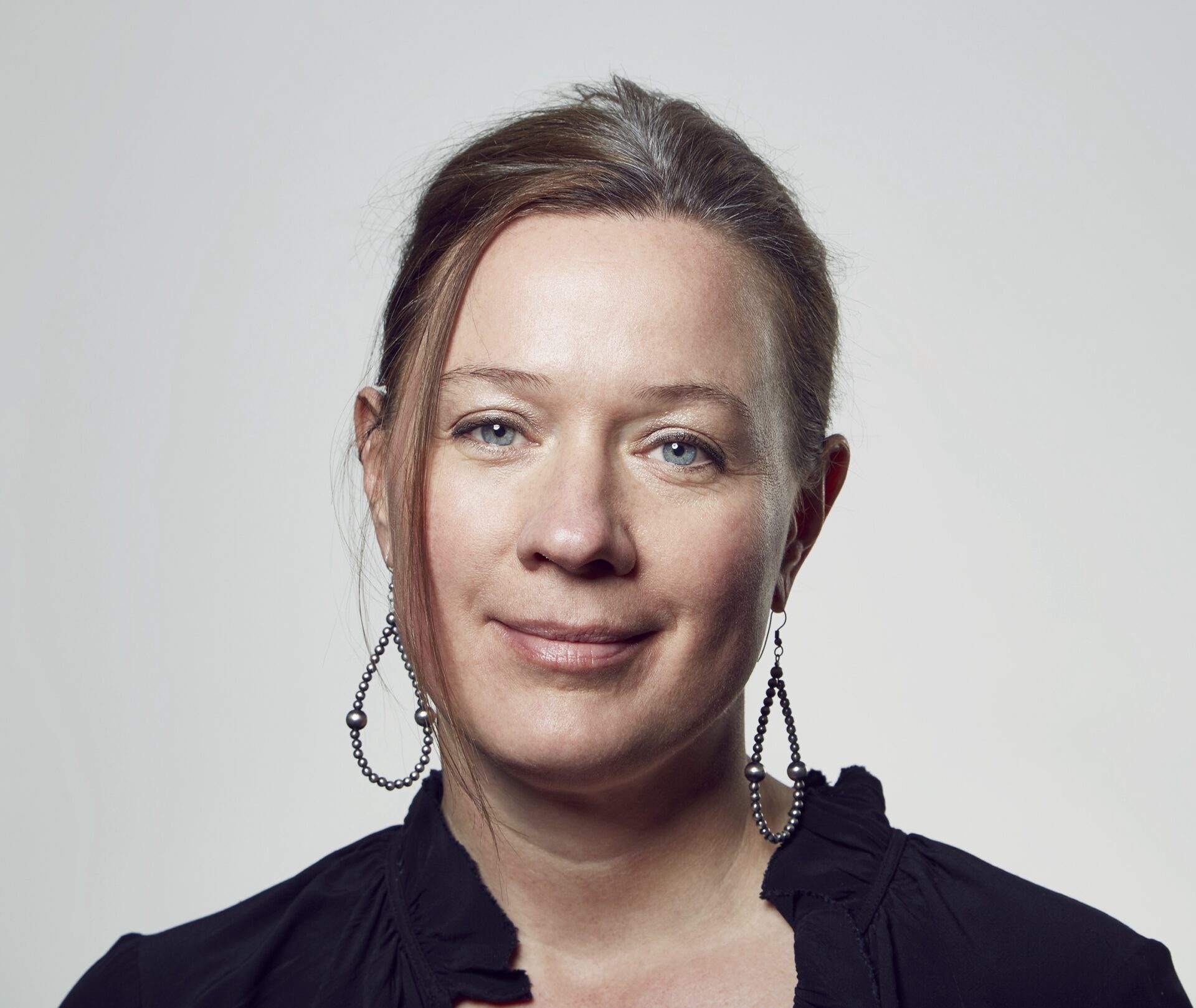
Jessica Sweidan
Co-Founder, Synchronicity Earth
A foundation helps other donors protect life on earth
We started Synchronicity Earth in 2009 to address threats to biodiversity. We felt that a lot of the organisations that were available for us to support weren’t getting to the grassroots, to the people on the front lines of environmental degradation. There was tension between the way historical conservation has been done – parachuting in with top-down approaches – and the importance of local people as the key to solving the problems. Those were the people and groups we thought needed funding.
So we set up Synchronicity Earth as a platform to make it easier for other funders to support the grassroots, knowing how difficult it can be to fund locally. We cover all the core costs at the moment, so that when another funder comes on board, their money can go straight to the partners.
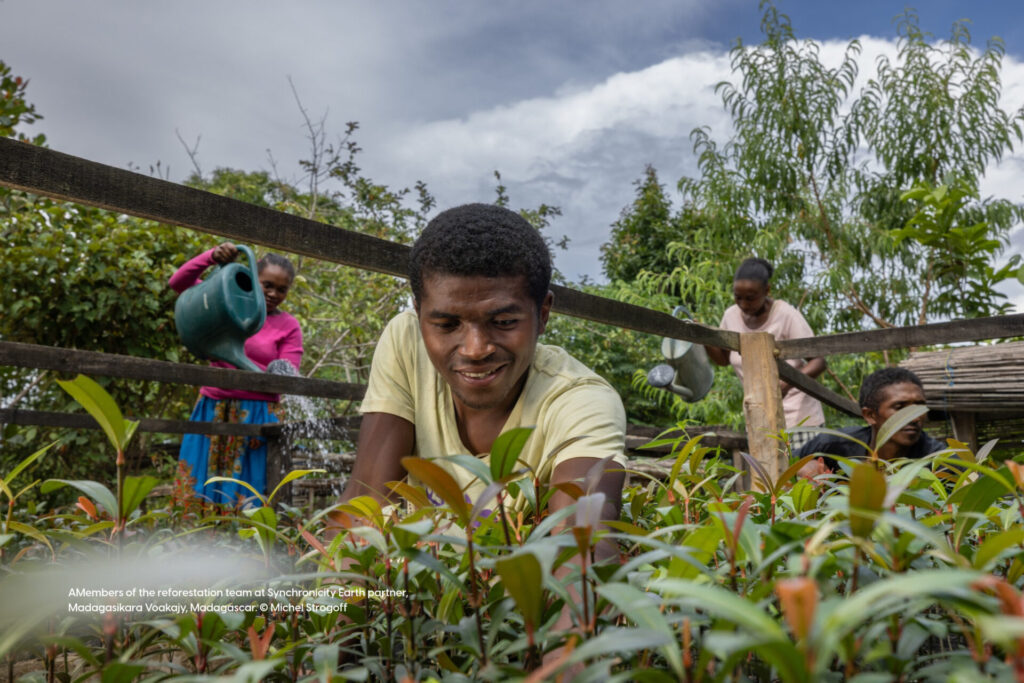
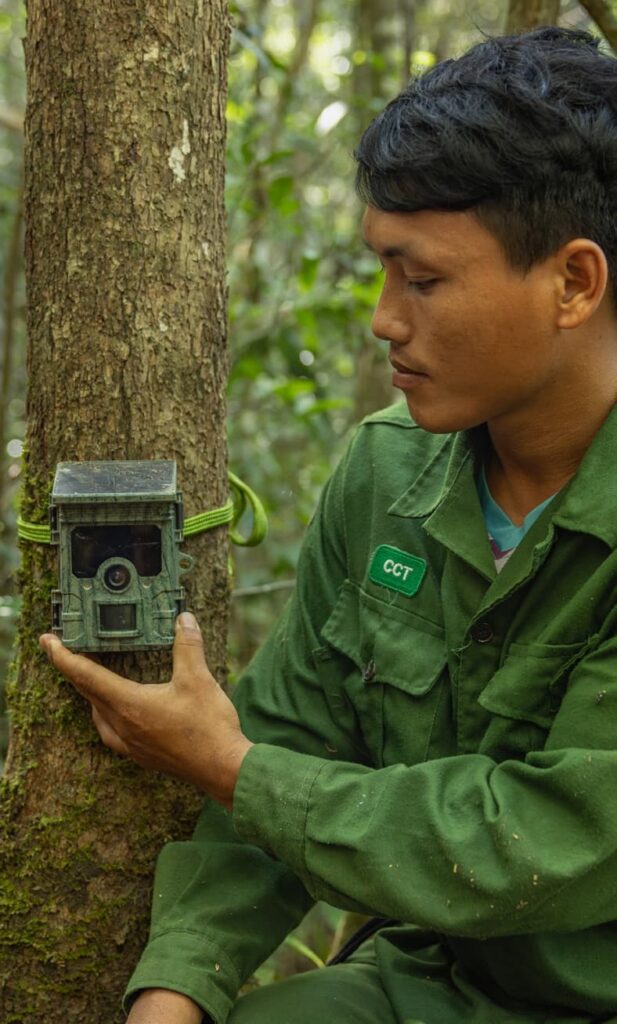
At the moment, we have about 150 partners across the world. We have different themes, so we fund ecosystems in the Congo Basin and Melanesia; freshwater biodiversity and oceans; amphibians and Asian species; and a programme focused on supporting biocultural diversity.
We set up Synchronicity Earth as a platform to make it easier for other funders to support the grassroots, knowing how difficult it can be to fund locally. We cover all the core costs at the moment, so that when another funder comes on board, their money can go straight to the partners.”
It may seem too obvious to ask, but why do you feel the need to support grassroots groups when it comes to biodiversity conservation?
Why would I know better than the people on the ground about what their issues are? There’s a huge amount of cultural context within conservation work and it’s very hard for us, as a Western-orientated organisation, to have the knowledge and the answers of the local contexts of these places. When you’re funding into a place like the Congo Basin, for example, which is just an enormously complicated place – politically, economically, socially – there’s just so much nuance that it would be impossible for us as outsiders to know. It’s wildly presumptuous to think that we would know better.
I’ve noticed that Synchronicity Earth often plays a role helping to make sure that local voices are in the conversations that matter at the global scale, or at least beyond those locales.
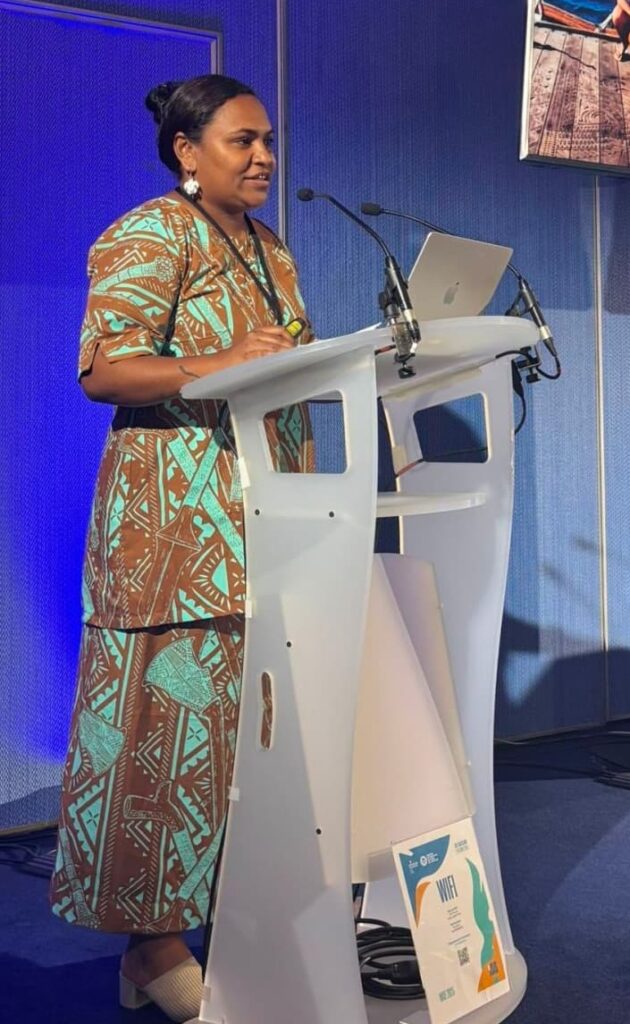
Absolutely. We’ve always understood that our job is to uplift local voices, particularly in these wider spaces. The people who are on the ground know what needs to be done in their areas to protect biodiversity, so where we can, we support them to bring their knowledge to bear in larger forums, whether that’s the IUCN World Conservation Congress, the climate or biodiversity COPs, thematic and regional summits, and so on.
There’s a huge amount of cultural context within conservation work. The people who are on the ground know what needs to be done in their areas to protect biodiversity.”
When we started, I don’t think we fully realised the scale of this. There is such huge demand on our resources; we can barely touch the sides. Biodiversity needs much, much more funding.”
You’ve been funding environmental work for 30 years, starting with your precursor to Synchronicity Earth, the Synchronicity Foundation. What’s changed in your thinking about what is needed?
When we started, I don’t think we fully realised the scale of this. There is such huge demand on our resources; we can barely touch the sides. Biodiversity needs much, much more funding.
At the same time, it’s not just about throwing money at the problems, or throwing money at the organisations or people doing the work on the ground. There’s a much greater consciousness shift needed; a fundamental shift in terms of how we allocate our resources, how we engage with the whole concept of ‘resource’ in and of itself, and how our systems are operating.
Western culture, the dominant culture, is incredibly extractive in terms of everything that we consume, eat, use, put on our bodies. Nature is absolutely everything. We’ve been so disconnected from our relationship to the natural world that it’s taken us a long time to wake up. People are only now finally starting to recognise that nature is crucial to all things, which is absurd even to have to say.
I think you’re suggesting that a fundamental transformation is required in how humans see themselves – a massive cultural and paradigmatic shift. What is the role for philanthropy in helping that to happen?
Philanthropy is an incredible first mover and leader in that space.
It has a huge role to play in being provocative, in leading the way, in shining lights, and also acting where change can happen. Yet a lot of funders are quite risk averse. They can be afraid to move, or be very specific in what they will or will not do. But I feel we have to do more. We don’t really have a choice anymore.
I’m an unusual philanthropist: we started young, so we weren’t sitting on a huge pile of earned or inherited wealth. It’s a different type of philanthropy. But it’s given me this amazing insight and platform to be able to challenge approaches and traditional mindsets in the sector.
I really believe in the leveraging capabilities of philanthropy. I don’t think funders realise how much power they have to take educated risks and be the first-movers to effect real lasting, long-term systemic change. It can be very difficult to feel certain about what to do – there is a lot of self-reflection involved, given we are all in some way a part of the collective force working against nature. But it is essential work.
My approach has always been to ‘just begin’. Start with listening to the stakeholders, ask a lot of questions, centre their needs and then act. It will likely be a bit imperfect, but that is okay – we can make adjustments along the way. The necessary work may also make us feel uneasy – that’s also ok. Facing those uncomfortable truths as we go is a part of the whole process needed to create lasting systemic change. That shift is a huge part of the solution.
And can I just say that philanthropy can be a fluid process! For me, money is energy and should be put to use. Accumulated wealth, allocated for the public good, sitting in a bank account – especially when we are in an environmental crisis – feels increasingly irresponsible.
I get it. It can be scary to show up and be provocative or challenge the status quo, especially if that status quo involves your very livelihood and who you are. It can mean really pushing the envelope when the envelope is the world that we live in. We’re in this uneasy place of having to shift ourselves and shift the story at the same time. We’re challenging our very existence, which is exactly what we have to do.
Philanthropy has a huge role to play in being provocative, in leading the way, in shining lights, and also acting where change can happen. Yet a lot of funders are quite risk averse. They can be afraid to move, or very specific in what they will or will not do. We have to do more. We don’t really have a choice anymore.”
You’ve talked a little bit about how you prioritise gaps. What does that mean? How do you decide where to give? What guides your choices as a foundation?
Synchronicity Earth is now an organisation with a team of about 40 people. At the outset, we worked with a range of experts and mapped out where philanthropic flows were going against key areas of biodiversity, and we started in the areas that were receiving the least attention. That’s how we ended up focusing on things like freshwater biodiversity, amphibians, Asian species and the Congo Basin.
It’s also an iterative process. We weren’t funding in the Amazon at first because it had proportionally more funding already, but as the need there has risen we have started funding Amazon-focused work. Conversely, the Congo Basin is finally drawing quite a lot of attention from other much larger funders now. Given these big sums, we’ve asked our partners if our funding is still useful to them. The answer continues to be a resounding yes, because our funding is very relational, unrestricted, core funding which is absolutely essential for many of them. We support particular kinds of work that other funders can’t or won’t.
We have our focal areas, and are open to funding other related issues and areas so long as we have the capacity. There is always a great deal of need, so finding the balance between existing and new partners working across threatened species and ecosystems is always a live internal conversation.
How do you consider equity, justice, and power dynamics in your giving?
I think we’ve embedded them. In terms of justice, we support numerous grassroots partners, many of whom are environmental defenders fighting for their territories; they might be trying to demarcate their land, for example, when they’re up against big agribusinesses or mining. We also support a lot of youth-related work, and given they are our future leaders, that feels really important.
Equity and power go hand in hand. Obviously we’re sitting in a position of power because we’re holding the funding, but in everything, in the model and the way that we’re trying to allocate grants, it’s very much about what our partners want and need. We’re not coming in with a presupposed idea of, ‘This is how you should use this funding.’ We may know that we want to be working in a certain area or working to protect a specific species, but it’s a conversation with the partners about how they might use the funding – in that regard, we really relinquish the power.
It can be scary to challenge the status quo, especially if that status quo involves your very livelihood and who you are. We’re in this uneasy place of having to shift ourselves and shift the story at the same time. We’re challenging our very existence, which is exactly
what we have to do.”
What role does collaboration play in your work?
Our whole model is quite collaborative, in the sense that we have other funders who are funding alongside us, particularly in our pooled funds. Those are very much a collaborative learning journey. They also streamline things for everyone. For example, in our Congo Basin work we’re funding over 20 local partners, but we hold those primary relationships and report back to the other funders who support the fund, alleviating the need for numerous bilateral conversations and bespoke reports. Our funders meet the partners through webinars and learn more about the Congo Basin by being involved in the fund, so in a way, we’re creating efficient through-lines of communication and support in both directions.
For some, we are de-risking their funding because the ultimate responsibility sits with us as an organisation, which is why developing trust and our relational due diligence processes are really important. Sometimes, our funders decide to fund the groups directly, and that’s great. But a lot of foundations have very small teams, and it’s much harder to give smaller grants than larger grants; to really reach the grassroots. That’s why we exist, to fill that gap and make that easier both for funders and for the grassroots groups to access that funding.
What does success look like in your giving? Have you celebrated any successes recently?
Often, when funders set up their foundations, they are encouraged to use distinct metrics that can signify the early achievement of success. But in reality, when you’re talking about biodiversity or biocultural diversity, this is the long game. It takes time to achieve what we might measure as success. That said, we do of course have a monitoring and evaluation framework that we use to measure tangible progress.
One big recent success we were involved in was the Biodiversity Beyond National Jurisdiction Agreement – the so-called High Seas Treaty – which protects marine life in international waters. About 12 years ago, we were one of the early funders to get involved in the work to protect the high seas and stop deep sea mining because we recognised it as a significant and concerning gap. That treaty is a great example of the power of collaborative work; a lot of NGOs aligned to make it happen. It was finally ratified recently and that felt like a huge thing to have been a part of.
But personally, success for me comes in a whole slew of other forms. It’s the fact that some of those Congo Basin funders are now funding groups directly. It’s in the fact that we are supporting all of these people across the world. That we have an incredible team of people working on these very complex issues. We took a risk building this – people thought we were mad when we started. They didn’t even know what biodiversity meant; I remember someone thought it meant washing powder! People actually know what biodiversity is now; they recognise that nature is important, that Indigenous and local communities are absolutely essential to how we solve the twin crises of climate and biodiversity loss. We’ve played a small role in that, and that feels like a really significant marker of success.
Environmental giving is the most rewarding thing that you can do. It’s profoundly meaningful. Once you’re involved in it, it’s really hard to shake. I think environmental funding should be part of any philanthropic portfolio. It touches everything.”
What do you wish more wealth holders understood about environmental giving?
It is the most rewarding thing that you can do. It can be very harrowing and sad and hard. It’s complicated. But it’s profoundly meaningful. And once you’re involved in it, it’s really hard to shake it.
Environmental funding should be part of any philanthropic portfolio. It’s almost irresponsible if it isn’t. It touches everything.
Finally, if nature was speaking through you, what do you think she would be saying? What would her message be to funders?
That you are me. We are nature.
That she’s suffering as the result of all of the choices that we’ve made up until this point, but that she’s incredibly forgiving and that there is another way forward. It does mean that we have to change, but she believes that we’re fully capable of changing. It’s hard, but it’s the only way forward.
Interviews
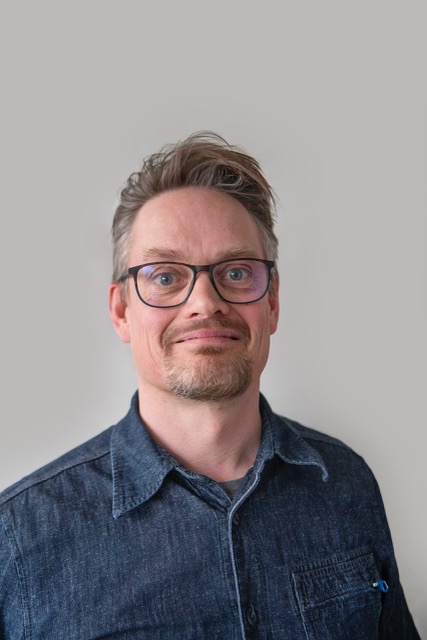
Nick Oldridge
Individual Donor
A donor sees the need for a different type of climate communications
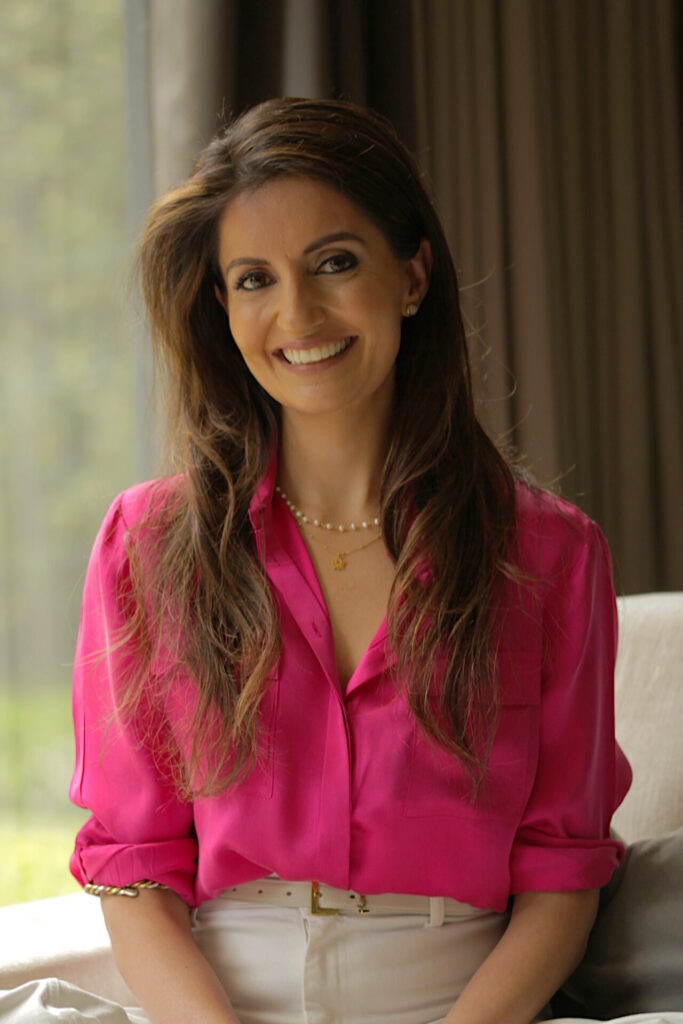
Sonal Sachdev Patel
CEO, GMSP Foundation
A family supporting the grassroots.
Ben Goldsmith
Chair, Conservation Collective; Trustee, Children’s Investment Fund Foundation
A lifetime championing nature
Eli Manderson Evans
CEO, Blagrave Trust
A youth funder recognises the urgent need to address climate change
Leonie Taylor
Trustee, Taylor Family Foundation, and individual donor
A donor faces the origins of her wealth
Sufina Ahmad
Director, John Ellerman Foundation
A foundation shifts from funding individual issues to focus on systemic change
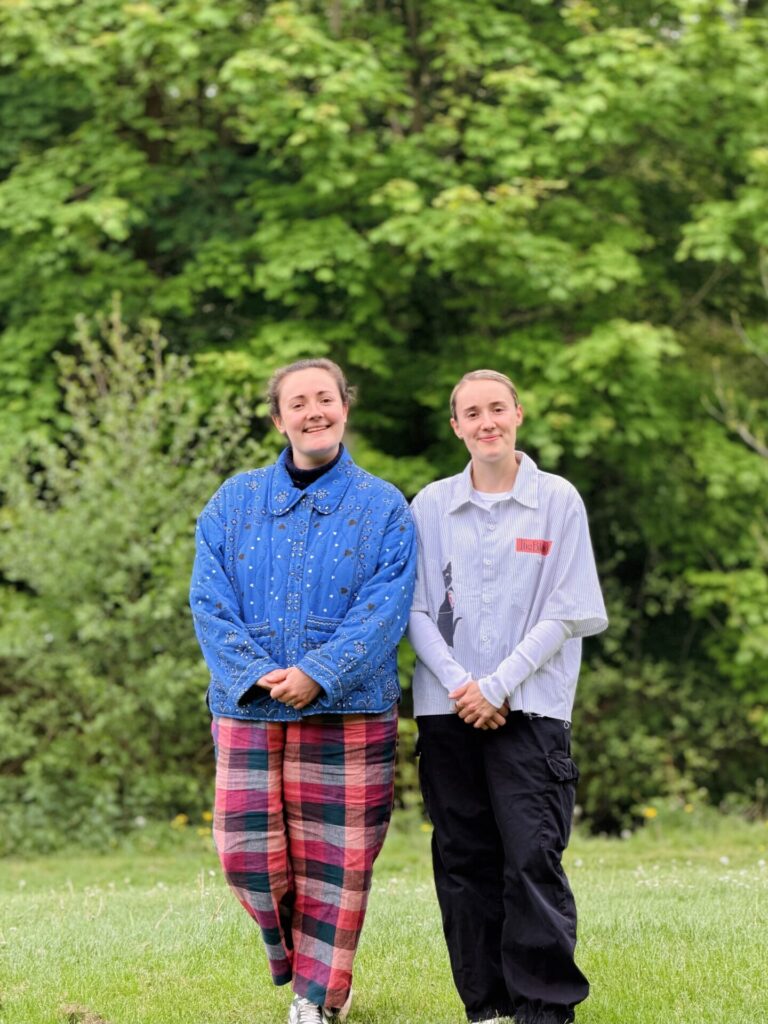
Lauren Gupta & Becky Holmes
Co-founders (with Bill Holmes), The Helvellyn Foundation
Next generation donors with a passion for wildlife and trust in their partners
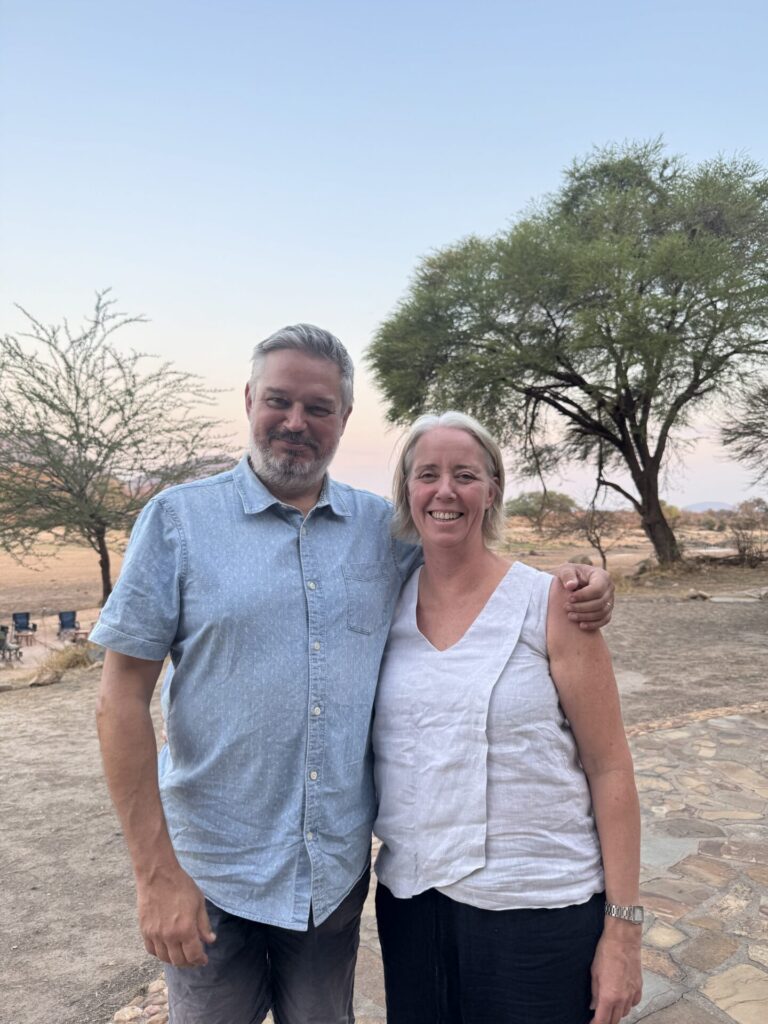
Sophie & Nick Marple
Co-Founders, Gower Street
A couple deploys their wealth to tackle the climate crisis
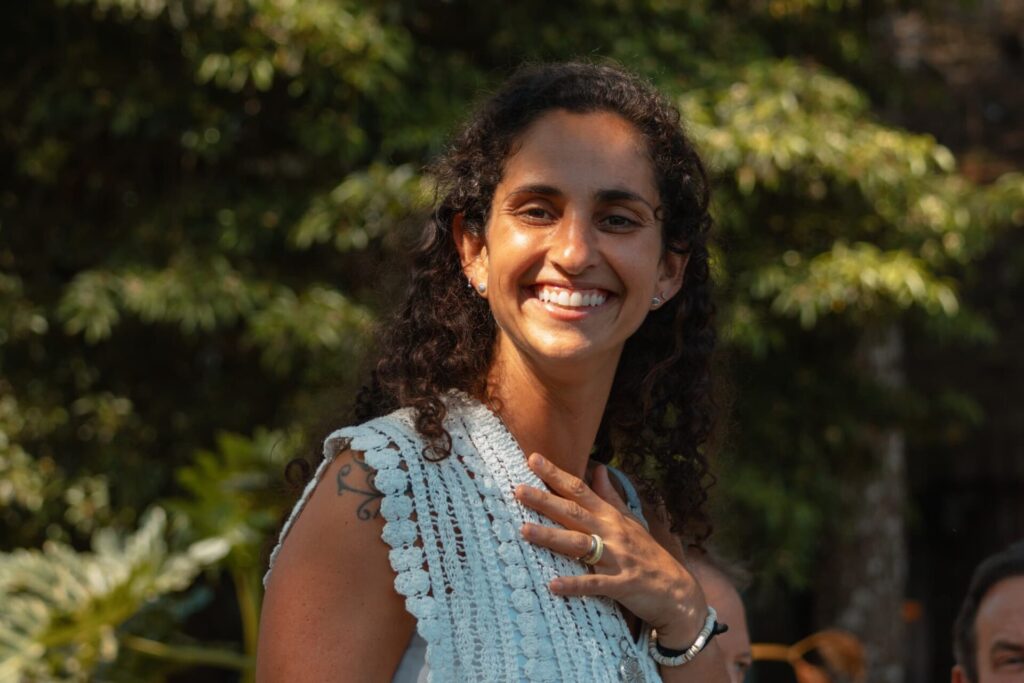
Renata Minerbo
Co-Founder with Seth Tabatznik, Be the Earth Foundation
A family foundation supports the shift to an eco-centric economy
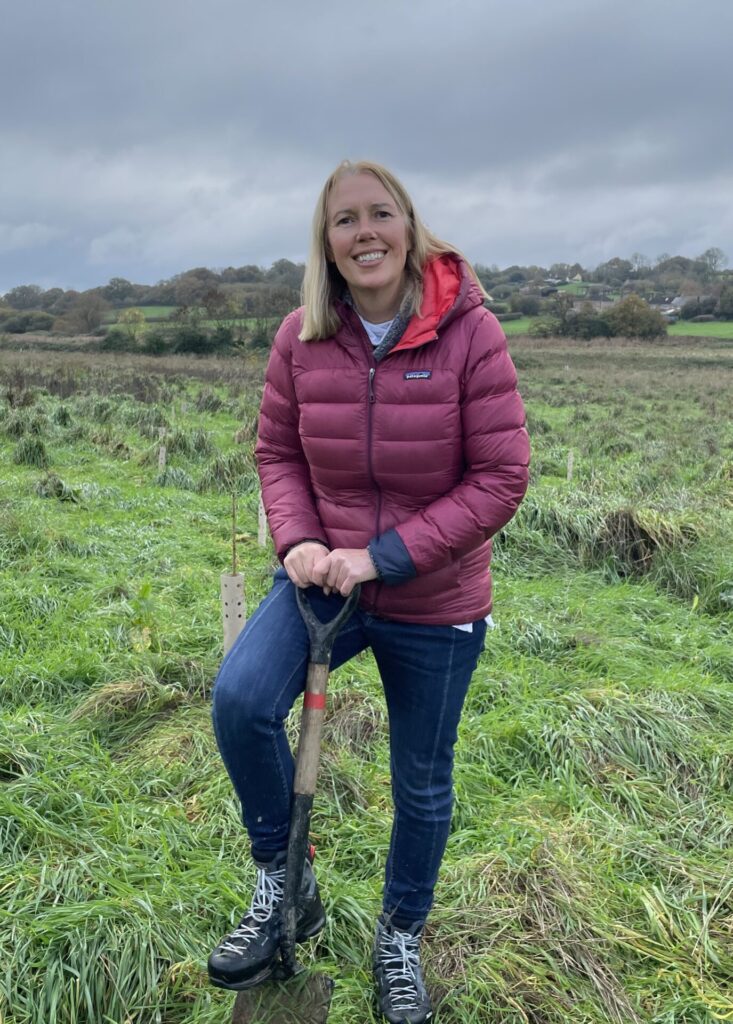
Julia Davies
Founder, We Have The POWER
A donor directs her wealth and legal expertise towards transformative change
Jon Cracknell
Trust Secretary, The Ecology Trust
A long-time funder shares his reflections on where the environment movement is succeeding and what funders could do differently
Christine Oliver
Trust Secretary, Polden-Puckham Charitable Foundation
A foundation spends down its funds to meet the challenge of this moment
William Kenyon
Individual donor
A donor realises that funding what he’s passionate about allows him to stick with it for the long-term
Stephanie & Stuart Mills
Co-Founders, Practical Acts
A couple mobilises the spectrum of their wealth to support the environment
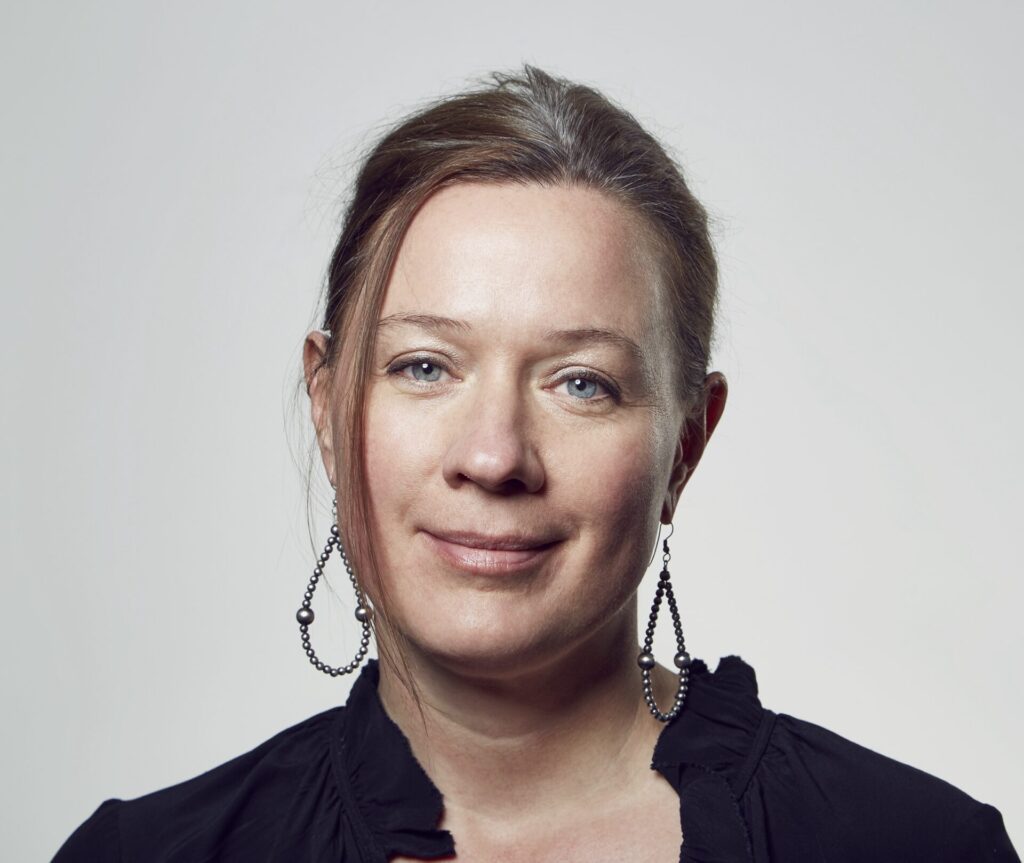
Jessica Sweidan
Co-Founder, Synchronicity Earth
A foundation helps other donors protect life on earth