08.
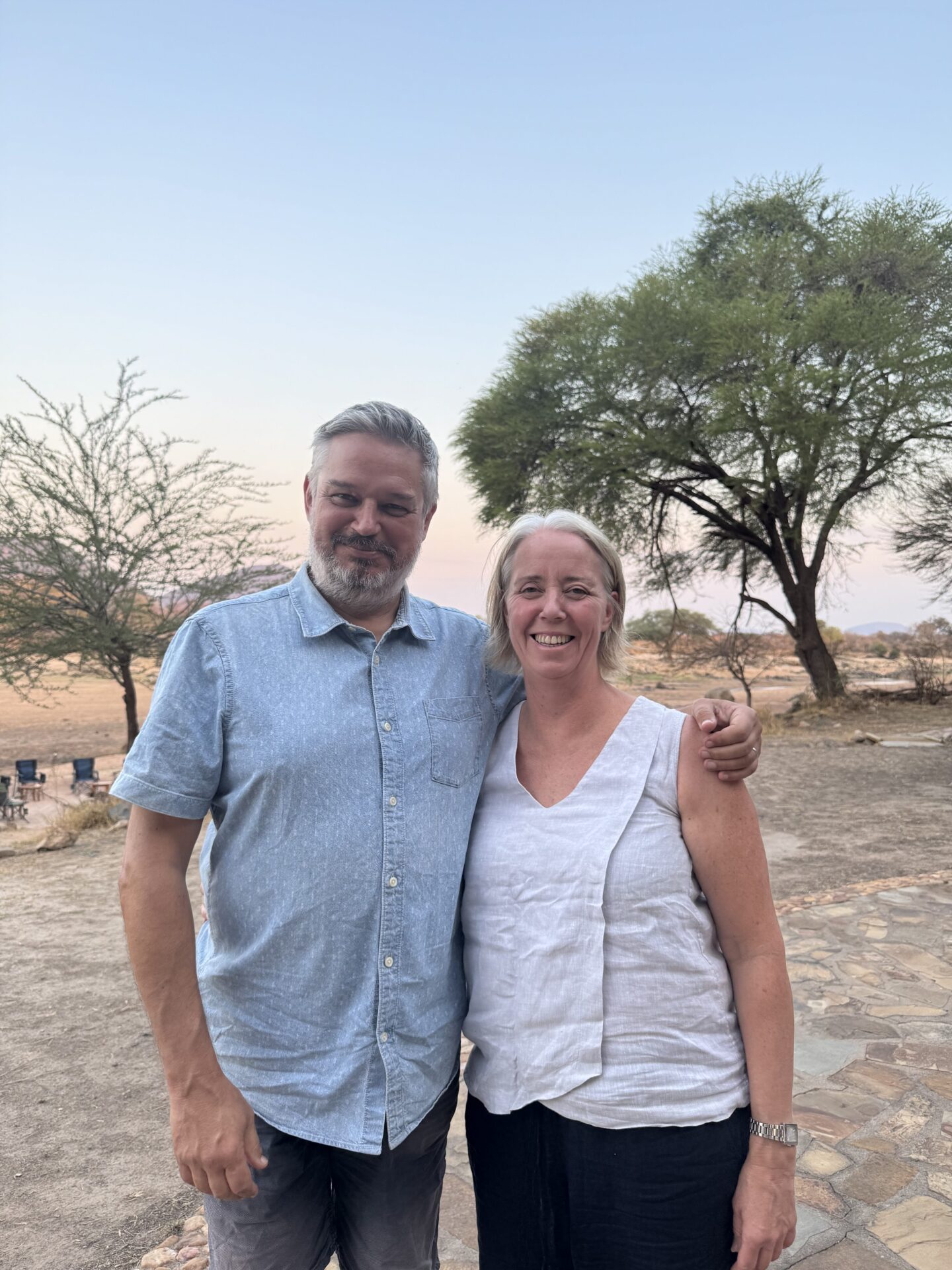
Sophie & Nick Marple
Co-Founders, Gower Street
A couple deploys their wealth to tackle the climate crisis
Tell me about your trust. What does it do?
Sophie: Gower Street is a small family foundation that funds climate work in the UK and Ghana, as well as education work in Ghana.
You weren’t originally focused on climate. Why did you shift your focus to environmental issues?
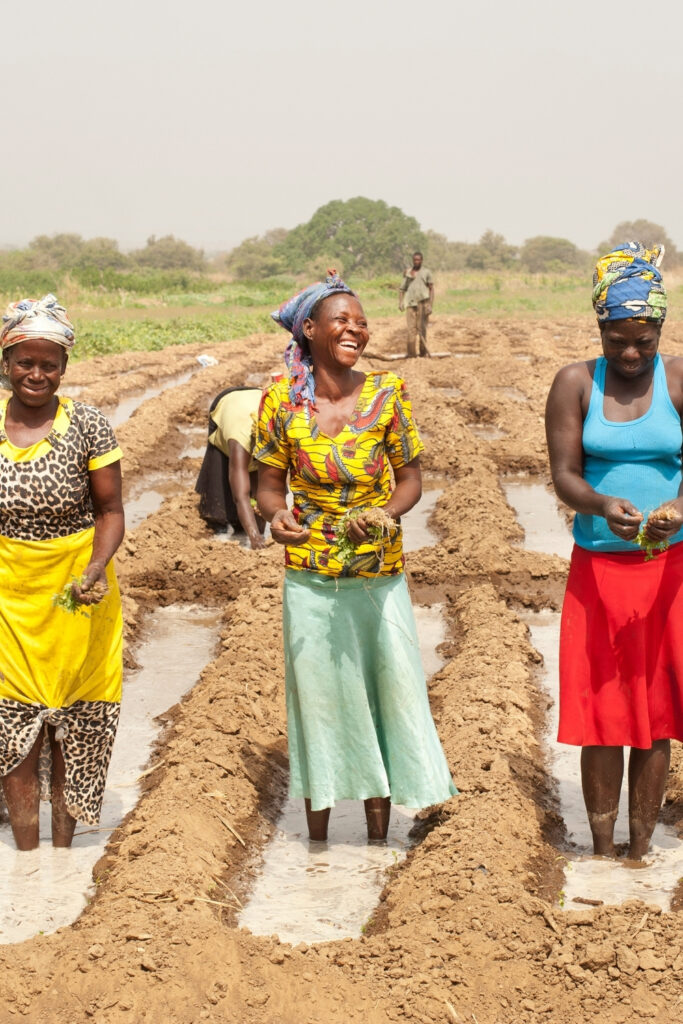
Nick: We’d been going to Ghana a lot while we redid our education funding strategy and it just became harder to ignore that climate change was happening. You’d see it firsthand there, it was already hitting. At the time I remember thinking, ‘This is such a big issue, surely governments have it in hand.’ It felt like our money would be a drop in the ocean in the face of such a huge issue. What would be the point?
Sophie: We’d also been taking various personal actions about climate change: going vegetarian, buying an electric car, that sort of thing. But we were comfortably saying to ourselves, ‘We don’t fund climate, that’s not our issue.’ It was avoidance, really.
Nick: Jake Hayman, who had been helping us with our education strategy, helped us realise that there were plenty of climate organisations doing great work that could really do something with £20,000, £30,000, even £10,000. Then we talked to EFN and found out how little money was going to climate from foundations in general; that was a light bulb moment for us.
It became harder to ignore that
climate change was happening. You’d
see it firsthand there [Ghana], it was
already hitting.”
What makes Gower Street special, from your point of view?
Sophie: We’re very engaged as funders. You hear this phrase, ‘We take a relational approach to funding,’ and we really do. We’re very low bureaucracy. We don’t ask for reports – we know what our grantees are doing because we spend time with them and we learn from them. That’s why we do this, more than anything, because we learn.
They’re often small organisations and might be on their own doing the work. When we say, ‘Do you want to chat every three months?’ at first they can worry that we’re checking up on them. But they soon learn that we just want to see what they need, how we can help them, how we can connect them to useful people. Over time, that relationship really grows, and we start to get warts and all.
Nick: When we started funding climate work, we were happy to admit we did not know what we were doing and we just asked loads of questions of people. When we see someone doing something we think is good, we adopt it as a practice ourselves. We learnt from Jake; from EFN; from books we read, like It Ain’t What You Give, It’s the Way That You Give It (by Caroline Fiennes). That book gives the basics of how not to be a burden on the grantee, how to give core, unrestricted money – stuff that’s common sense, really, but quite a lot of funders don’t seem to follow common sense in that way.
Sophie: I have to be honest, we have got it wrong at times. Early on we would often hold up the grant-making process and string people along, because we’d get frozen by decision making. But we have two co-directors now, Sally and Tessa, who really hold us to account, and we have a good working relationship with them where they feel comfortable challenging us. When we aren’t sure about a decision, they’ll remind us why an initiative does or doesn’t fit within our strategy and encourage us to stick to that strategy.
How do you decide which of those organisations to fund? How do you strategise?
Nick: For me, it’s always what additional impact we can have. We’ve only got a limited amount of money; we want to do as much good as we can with it. Can we kickstart an organisation that goes on to bigger and better things? That often leads us to organisations which other people wouldn’t fund. We’re happy to fund startups, to take risks, to fund things that aren’t charities, as long as the work is charitable. It’s also about understanding what other people won’t fund. Where can we fill the gaps best?
Sophie: Because we both do impact investing, we do take a bit of a start-up approach to things, which means it’s about the people: can the people actually deliver this idea? Is the idea sound? What will happen as a result? We also ask ourselves, ‘Is this a Gower Street grant? Why?’ I think if you can answer those questions effectively, then you can give a grant.
We’re happy to fund startups, to take risks, to fund things that aren’t charities, as long as the work is charitable. It’s also about understanding what other people won’t fund. Where can we fill the gaps best?”
What does taking risks mean to you
in the context of philanthropy? What kinds of risks have you taken?
Sophie: I suppose all of it’s a risk, and none of it’s a risk, if that makes sense. It’s all a financial risk because you’re never going to get the money back, you’re never going to get a return on it. Then in terms of impact, you’ve got to be ok with the idea that something might fail.
We do not fund things where you put your name on a building. There’s no risk to putting your name on the building. But someone telling you they have an idea that they might be able to see through: that is a risk. We don’t have the ideas; we have the money. That’s our job, to back ideas knowing they won’t always work.
Gower Street is spending all its money and closing its doors by 2028. Why did you decide to spend down?
Nick: The climate crisis is such an urgent crisis. There’s no point sitting on this money. We just want to get it out the door because it’s all needed now.
Sophie: Now is when you can have the most impact, before the crisis gets really advanced. Small amounts of money can still change things. In a few years’ time, the crisis will be that much bigger, we’ll have breached tipping points, and what will be required will be the massive systemic money (which should be coming in now, but isn’t).
You’ve been involved in various other environmental initiatives beyond grantmaking, could you tell me about those?
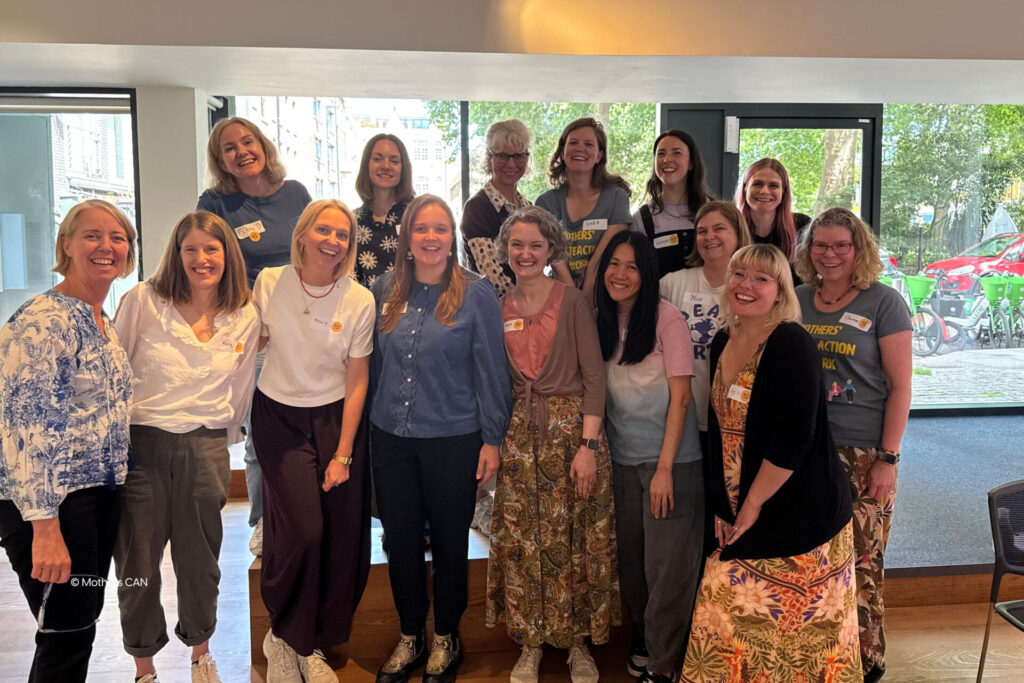
Sophie: What I learnt while pivoting our funding to climate encouraged me to set up Impatience Earth with Jake Hayman. That was a huge learning curve for me but also something I could really effectively bring my learning to, because it was about influencing other philanthropists, encouraging them to give better or more, and helping them overcome the overwhelm that you can feel coming into the climate sector.
That gave me the confidence to set up Mothers Climate Action Network, which is focused on organising mothers in their own communities and led me to becoming chair of The Climate Coalition, which brings together organisations and communities dedicated to climate action and nature restoration.
Nick: We try to make sure all our money is invested for impact. We’re in various networks of angel and impact investors where some people set aside 10, maybe 20 percent for their impact investments. We’re 100 percent. Some of it’s more impactful, some of it’s riskier, but it’s all in some form of impact investment. It wasn’t as hard as people made us think it would be to do that. There are a thousand-and-one options for impact investing.
Sophie: If you are a philanthropist and you’re not investing for positive impact – if your money outside of your grants is invested in sectors which are ruining the climate – why are you bothering to do the philanthropy? What is the point?
Nick: Where I come from on all of this is inequality: of resources, of opportunity, of education. One way of tackling that is through the tax system. So I joined Patriotic Millionaires. It’s a rare voice to say, ‘tax us for the greater good’. Most people are saying, ‘tax them’. It’s about where you can use your influence for the greater good.
All our money is invested for impact. It wasn’t as hard as people thought it would be to do that. There are a thousand-and-one options for impact investing.”
By making all your investments for impact, have you significantly lost out financially?
Nick: Until the last few years, it was probably a net positive. The last couple of years have been difficult for impact investing, but I think that’s just a blip and it will be fine. Even with that blip, we haven’t lost out dramatically, and we’ve also had impact along the way. We’ve got too much money anyway. If we lose a few returns, it doesn’t really matter as long as the impact’s doing well.
Because we came to impact investing from philanthropy, where you lose 100 percent of your investment, I have a different view on my investments. I’m thinking, ‘If I give £100 to someone, and they do some good, and they give me £90 back, then I’ve got £90 to reinvest. In philanthropy, I’m getting zero percent back.’
If you are a philanthropist and you’re not investing for positive impact – if your money outside of your grants is invested in sectors which are ruining the climate – why are you bothering to do the philanthropy? What is the point?”
You’ve talked about a commitment to equality. How, in general, do you consider equity, justice, power dynamics in your giving, if at all?
Nick: We’ve got the money, but we don’t have the expertise or the knowledge. The power should be with the grantee. We spend a lot of time finding who we want to fund, but once we’ve found them, our job is to let them get on with it.
Sophie: I have to be honest, I don’t think about this enough. We don’t think about the power dynamics, because in our head, there isn’t a power dynamic. But the fact is that our grantees have other funders where there often is a significant power dynamic. We don’t see that, but it doesn’t mean they don’t feel the same way towards us.
The grantee-grantor relationship is a symbiotic one. You cannot be a philanthropist unless there are people who can do good work with your money. But we create this artificial power dynamic that those of us who have money feel we get to pick and choose. If we could just equalise the relationship and more funders could realise that they cannot exist as funders without the grantees, to treat them with utter respect . . . really, the power dynamic should be the other way around. The grantees have the ideas, the passion, the work ethic. All funders have is the money.
I feel it’s an absolute honour doing this work. I get to meet these amazing people; I get to walk their journey with them for a time and see what they do. What an utter privilege.
The grantee-grantor relationship is a symbiotic one. Really, the power dynamic should be the other way around. The grantees have the ideas, the passion, the work ethic. All funders have is the money.”
Practically speaking, if everyone did adopt your approach of quarterly calls with their grantees, wouldn’t it be way too time-consuming for the grantees?
Sophie: Many of our grantees are small organisations with no more than a handful of funders, and some of them bring all their funders together at the same time for those calls, which we encourage them to do. And if you think about it, they’re not writing reports, so those calls amount to four hours of their time every year, which is probably less than a report would take.
Gower Street has gone through a process of making sure that nature is represented on the board. Why did you do that?
Sophie: The more nature gets trodden down, the more it will rise – and not in a good way. So I guess my question would be, why not? Nature doesn’t have a voice, we should be advocating for it. Putting nature on the board reminds us of that.
Nick: If it was very common, we’d definitely still have done it, but part of the attraction for us was that it wasn’t common, and we can encourage others to follow.
Sophie: In every decision we make, inside and outside our foundations and work, we should be thinking, what would Mother Nature do? What would she be saying about this?
The term wealth holder is odd, isn’t it? Just because you’ve got wealth, you don’t have to hold onto it. I feel that most of my wealth has come to me through luck. I don’t need to hold onto it. It can be doing better than sitting in a bank account.”
Finally, if nature was speaking through you, what do you think she’d be saying, and what would her message be to other wealth holders?
Sophie: It would be something around: money ends up being worthless. Don’t hoard it, use it for the best effect, to protect what we have.
Nick: It’s only now that you’ve asked this question that I’ve thought of this, but even the term wealth holder is odd, isn’t it? Just because you’ve got wealth, you don’t have to hold onto it. I feel that most of my wealth has come to me through luck. I don’t need to hold onto it. It can be doing better than sitting in a bank account.
Interviews
Nick Oldridge
Individual Donor
A donor sees the need for a different type of climate communications
Sonal Sachdev Patel
CEO, GMSP Foundation
A family supporting the grassroots.
Ben Goldsmith
Chair, Conservation Collective; Trustee, Children’s Investment Fund Foundation
A lifetime championing nature
Eli Manderson Evans
CEO, Blagrave Trust
A youth funder recognises the urgent need to address climate change
Leonie Taylor
Trustee, Taylor Family Foundation, and individual donor
A donor faces the origins of her wealth
Sufina Ahmad
Director, John Ellerman Foundation
A foundation shifts from funding individual issues to focus on systemic change
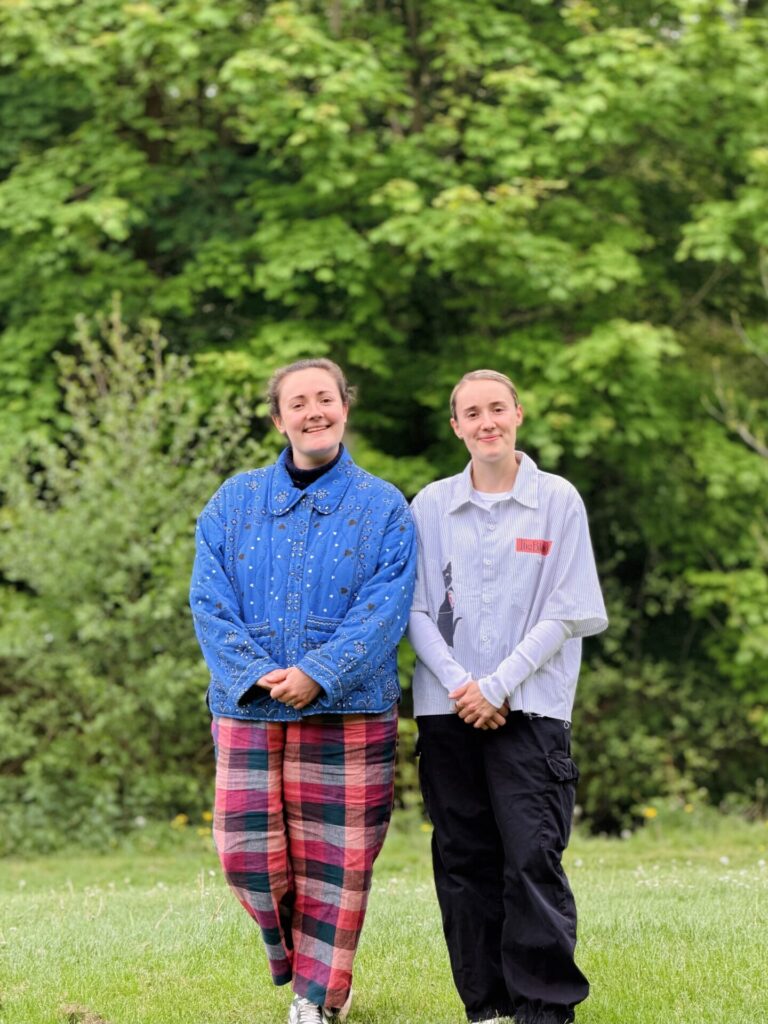
Lauren Gupta & Becky Holmes
Co-founders (with Bill Holmes), The Helvellyn Foundation
Next generation donors with a passion for wildlife and trust in their partners
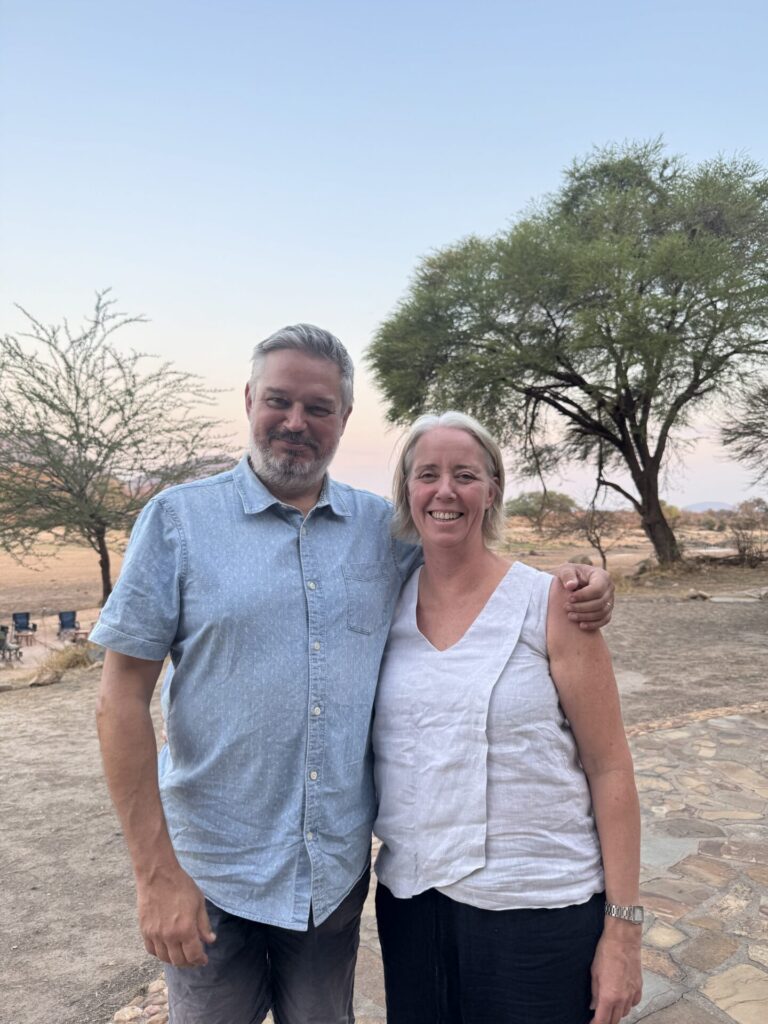
Sophie & Nick Marple
Co-Founders, Gower Street
A couple deploys their wealth to tackle the climate crisis
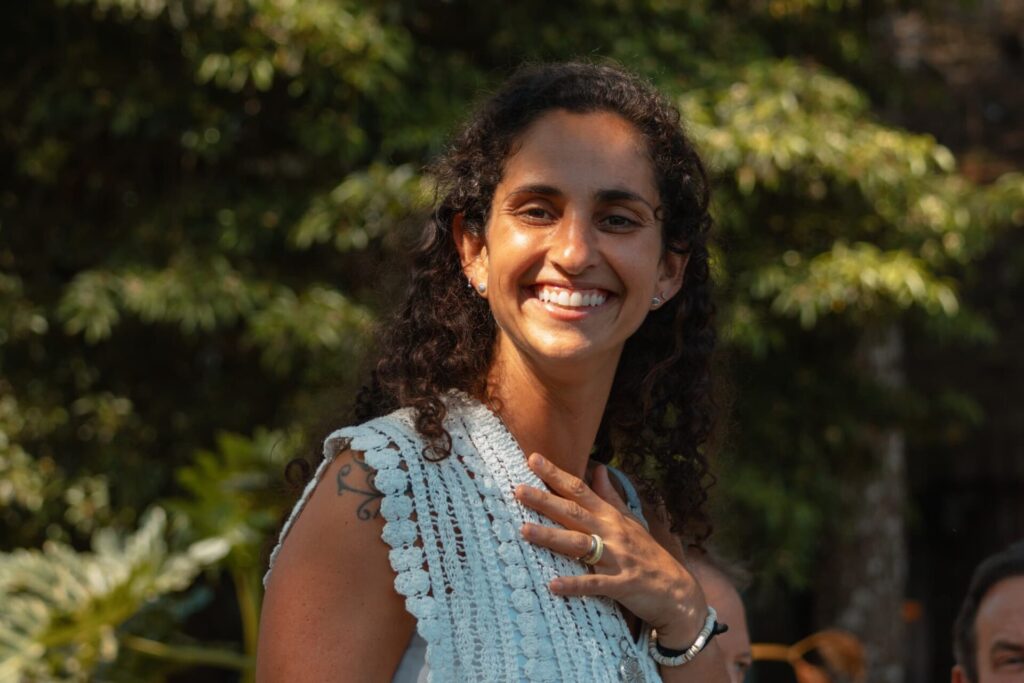
Renata Minerbo
Co-Founder with Seth Tabatznik, Be the Earth Foundation
A family foundation supports the shift to an eco-centric economy
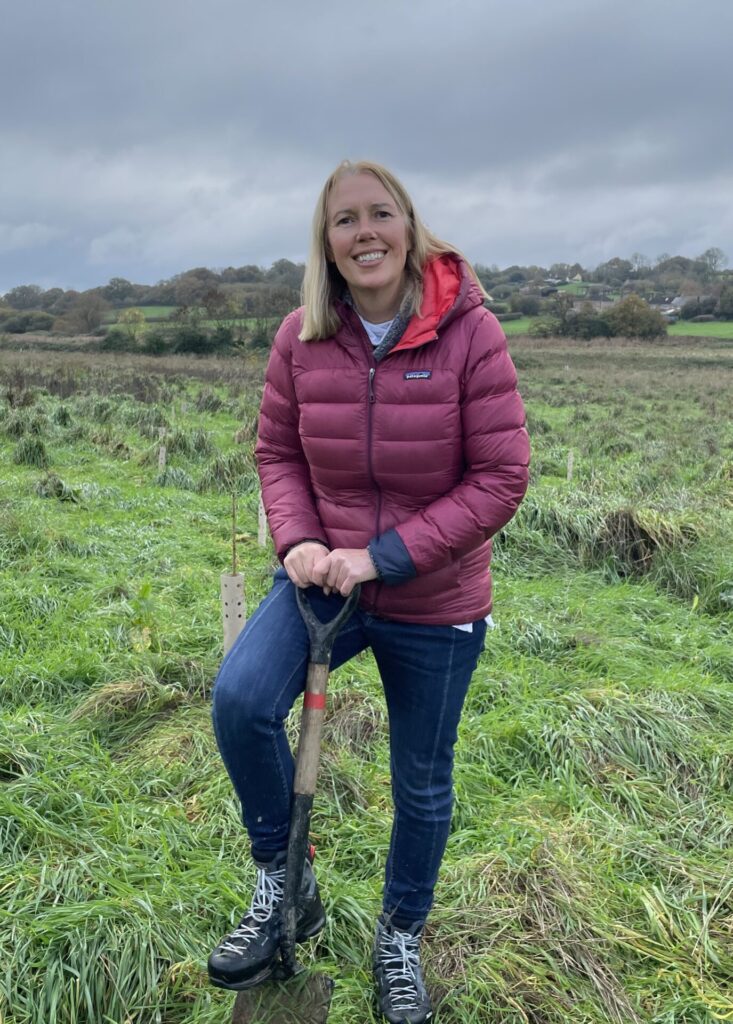
Julia Davies
Founder, We Have The POWER
A donor directs her wealth and legal expertise towards transformative change
Jon Cracknell
Trust Secretary, The Ecology Trust
A long-time funder shares his reflections on where the environment movement is succeeding and what funders could do differently
Christine Oliver
Trust Secretary, Polden-Puckham Charitable Foundation
A foundation spends down its funds to meet the challenge of this moment
William Kenyon
Individual donor
A donor realises that funding what he’s passionate about allows him to stick with it for the long-term
Stephanie & Stuart Mills
Co-Founders, Practical Acts
A couple mobilises the spectrum of their wealth to support the environment
Jessica Sweidan
Co-Founder, Synchronicity Earth
A foundation helps other donors protect life on earth