12.
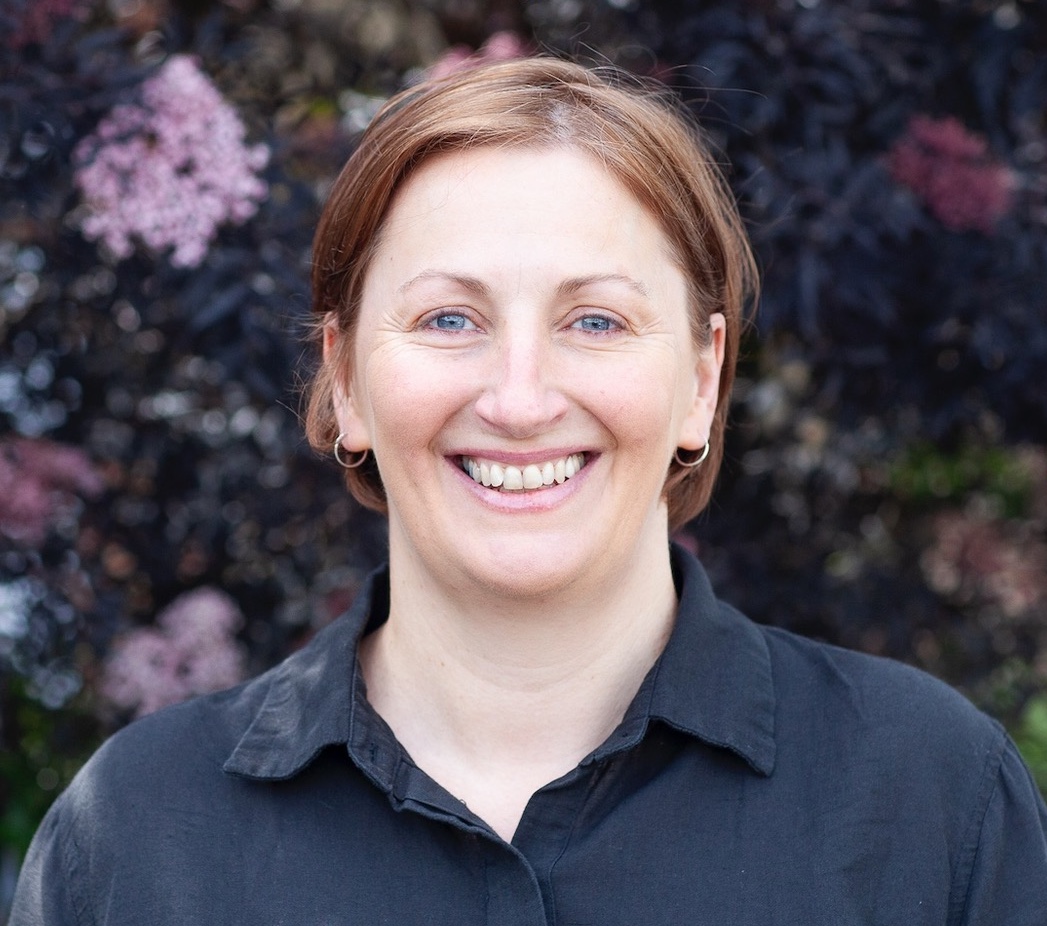
Christine Oliver
Trust Secretary, Polden-Puckham Charitable Foundation
A foundation spends down its funds to meet the challenge of this moment
What characterises Polden-Puckham Charitable Foundation’s environmental giving?
Our grantmaking is focused on transformative systems change. We don’t just fund environmental sustainability work; we also focus on peace and sustainable security, and we see those as being interlinked.
We focus on issues where we feel that change can happen. One example is the just transition away from high carbon industries and all the points on that change trajectory – from ending North Sea oil and gas exploration to transitioning communities and industries towards a greener future.
Another example is central bank digital currency. The transition to electronic/digital currency is happening around the world and we can see that without intervention it will end up reproducing the oppressions and unfairness of our current monetary system, where the dominance of the dollar makes borrowing disproportionately expensive for countries in the global South. There’s an environmental dimension to that; as a result of high debt burden global South countries are often unable to expend resources to respond or adapt to climate change, and must extract and explore their natural resources in order to service high levels of debt created through our unequal finance and monetary systems. It’s all connected.
We don’t just fund environmental sustainability work; we also focus on peace and sustainable security, and we see those as being interlinked.”
Has the foundation always focused on those two issues of environment and peace?
PPCF has been running since 1991 in its current format, and will close its doors in May 2028. Initially, as a Quaker foundation, it was focused on social justice and security, peace and diplomacy. But some of the original settlor family, the Gilletts, had a real interest in environmental issues – particularly the late David Gillett, who was one of the founding members of the Ecology Party, which then went on to be the Green Party. So the environment became a focus of the foundation at some point in the 1990s and the environmental sustainability side outstrips the peace and security side now. But the intersection between the two areas is something we’ve been trying to focus on in the strategic spend-down, to help people see the connections between the two.
What made the foundation’s trustees decide to spend all its funds, i.e. ‘spend down’?
The issue that triggered it was the IPCC 1.5 degree report in late 2018 (Special Report on Global Warming of 1.5˚C). It highlighted so clearly the urgency of the situation, making it clear that we needed to act in the next decade in order to avoid the very worst implications of climate change. That really affected the trustees. But spending down was on the agenda to be looked at every five years anyway. The IPCC report brought that conversation forward by about 18 months or so, and then trustees spent time considering how best to spend down.
There were other factors, too: one of our main sources of income was decreasing as the Clarks shoe company lost value. Our grantmaking was decreasing in line with that, so there was the question of how effective a foundation can be that costs X amount to run if we were only giving out, say, £400,000 in grants per year. So when that efficiency argument was combined with the urgency implied by the IPCC report, the trustees felt: what is the point of holding onto this money if now is the decade for action?
Once that message hit home, it was, ‘Right, we need to use everything to help shift the dial as soon as possible.’
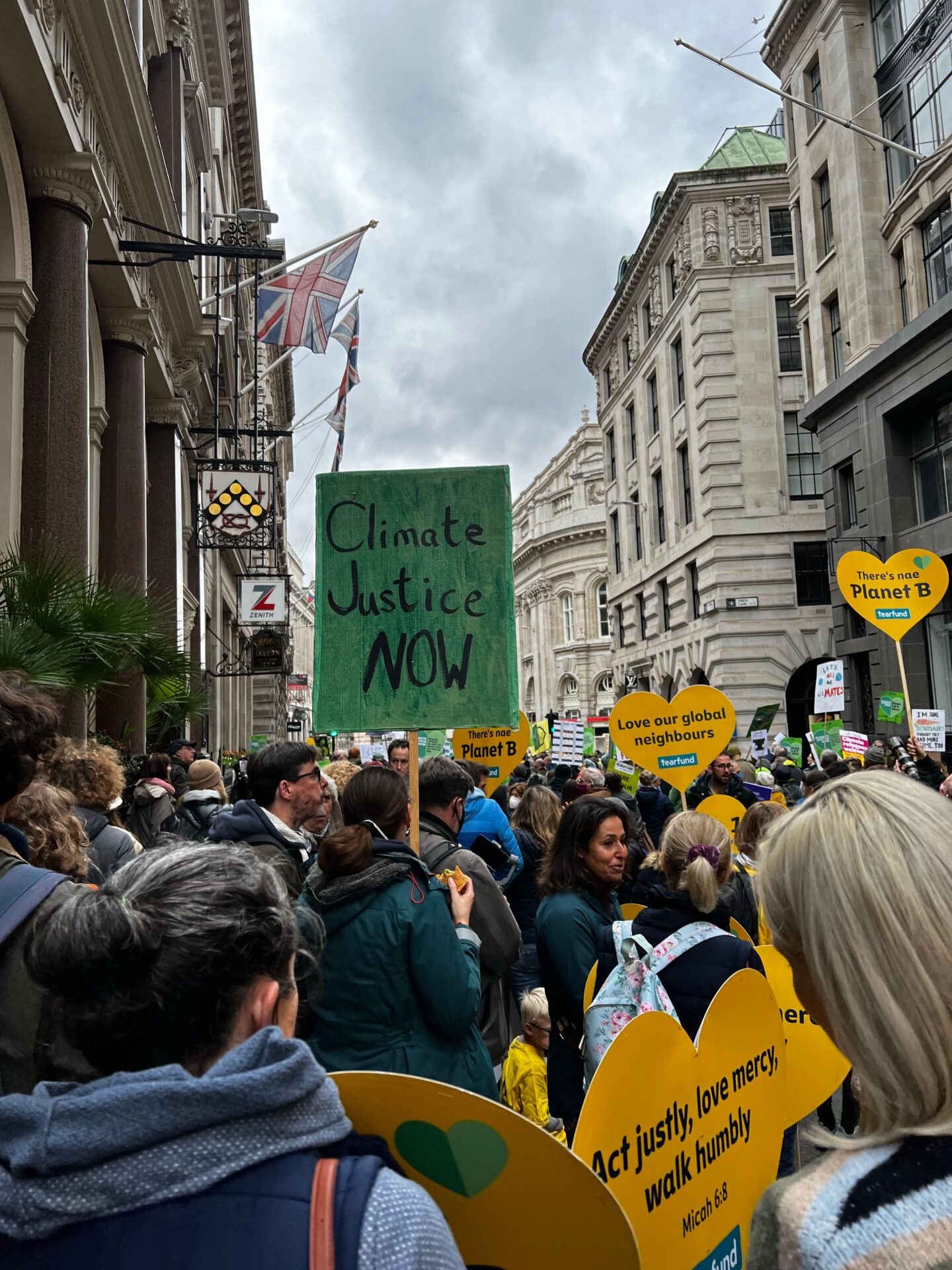
The IPCC Special Report on Global Warming of 1.5˚C highlighted so clearly the urgency of the situation, making it clear that we needed to act in the next decade in order to avoid the very worst implications of climate change. Once that message hit home, the trustees felt: what is the point of holding onto this money if now is the decade for action?”
PPCF had always had a reputation for being a bit of a first mover, and we felt that if we were to take bold action by spending down because of the urgency of the climate crisis, it might lead others to think about how they could be most impactful.”
How did that decision change the nature of your giving, and how PPCF saw its role in the ecosystem of funders?
One of the first things we did was recruit new trustees: the ones who had made the decision recognised that they didn’t have the diversity of expertise needed for this new stage. Once the new trustees were on board, we formed a subcommittee to determine the best way to go about spending the money down, the time frame and so on. We decided that because of the urgency of the situation, we would spend more in the early years and then tail off. The idea was to get people up and running and making change as soon as possible.
We also decided that whereas previously we had funded small organisations and start-ups, we would now largely fund medium-sized organisations. Many of the groups that we’d traditionally supported were just too small to absorb grants of the size the trustees were thinking of as part of the spend-down. When I joined, in 2017, the maximum grant size was £15,000 a year; in the spend-down, that increased to £150,000. We wanted organisations to be able to be as impactful as possible with the money. It’s not a massive amount, but it was a big change for us.
We also decided that PPCF money could account for no more than 50 percent of their annual income, to avoid reliance developing on us before we closed down.
To be fair to the smaller organisations we had been supporting, the trustees decided to extend most of their grants by an extra year, minimal questions asked, no application required. That was to give them a bit more time to transition to different sources of funding.
The other thing we were interested to do with the spend-down was to influence others. PPCF had always had a reputation for being a bit of a first mover, and we felt that if we were to take bold action by spending down because of the urgency of the climate crisis, it might lead others to think about how they could be most impactful. That would be exponentially more impactful, perhaps, than our fourteen to fifteen million pounds would be.
What would you say to other funders considering whether or not to spend down?
Every foundation is different; it’s not an across-the-board, ‘everybody should spend down’. But I do think there should be a degree of introspection, and maybe having an internal cycle where you regularly come back to the question of: ‘How effective are we? Are we achieving what we are meant to be achieving? Are we doing it in the best way?’ Programming that conversation in every few years is something foundations should think about doing. Then if you’re thinking about spending down, look around and learn from others’ experiences.
Who did you find most valuable to learn from? Were they people you met, or things you read?
Reading around was really useful. The Tubney Report (Giving our all: reflections of a spend out charity) was a UK example that was great, and I also spoke to Sarah Ridley, who ran the Tubney Trust during its final ten years. Quite early on we ran an Association of Charitable Foundations workshop on spending down with Gower Street, Lankelly Chase Foundation and Sarah. Subsequently a group of foundations at different stages of spending down started to get together twice a year to share experiences and learnings. Sally Vivyan from Gower Street is writing a book on the topic, so that will be a good resource for other funders once it’s published.

Regularly come back to the question of: ‘How effective are we? Are we achieving what we are meant to be achieving? Are we doing it in the best way?’”
Tell me more about your convening work. Did PPCF always convene its grant partners, or is that related to the spend-down?
No, we were very much hands-off as a small funder. We’d give out small grants and just ask them to report back to us in a year’s time.
Once we were giving out larger grants, though, the trustees were very invested in the process and decided to see if there was appetite amongst the grantees for us to convene them. There was, so we started off with virtual drop-in sessions where people could just get to know the other leaders in the organisations that we were supporting.
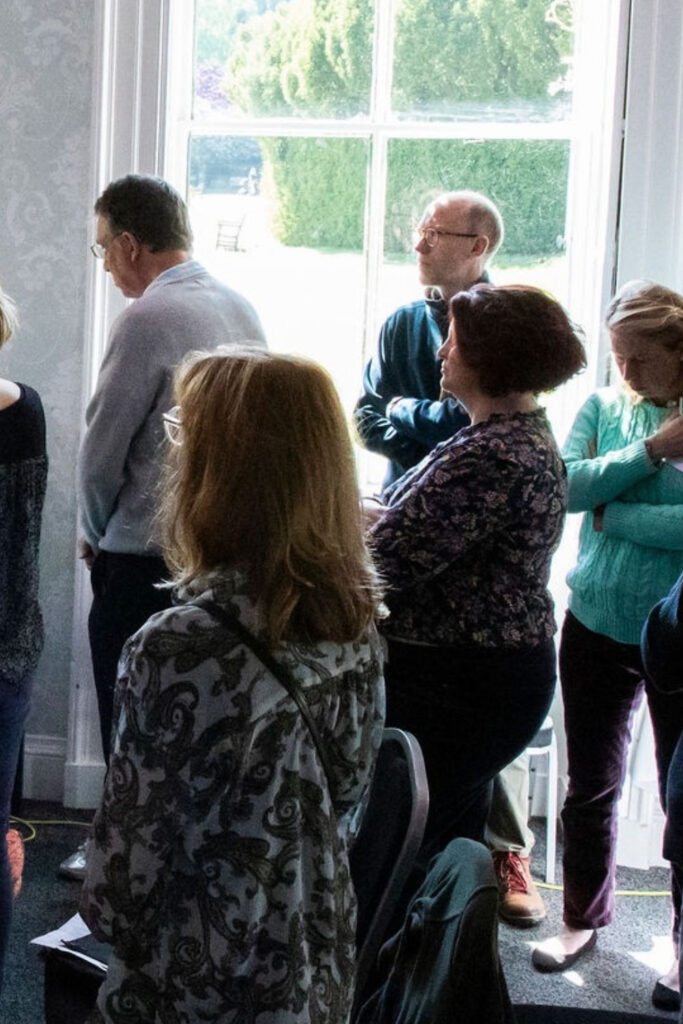
Since 2023 we’ve had a couple of in-person convenings. That year, we co-designed a residential stay at Roehampton University with the grantee partners. It involved a dinner, an evening and then a full day of different facilitated group sessions, and the feedback was excellent. For example, it sparked relationships between grantee partners who were working on similar things. For example, Uplift, Platform and Common Wealth were all working on the just transition, and they’re now collaborating on a specific project with our funding called Transition Security Project, which is about transitioning the military-industrial complex to greener industry. They’re working closely with NEON (New Economy Organisers Network) on messaging, supporting spokespeople, working with unions, etc. Providing those opportunities, where everybody can find out what everybody else is doing and see how they fit in; that’s been really useful.
We’ve facilitated an ecosystem of changemakers doing great work and if we’ve nourished them, or given them the means to do work that otherwise wouldn’t have come about, then that’s something we’re really proud of.”
What are you most proud of, in terms of what you’ve supported?
I feel we’ve facilitated a real ecosystem of changemakers doing great work, and that if we’ve nourished them, or given them support and the means to do work that otherwise wouldn’t have come about, then that’s something that we’re really proud of. They’re all excellent; I couldn’t actually narrow it down to any one organisation.
When we first decided to spend down, we looked at ourselves, and we could see that we had something of a scattergun approach. That’s fine when you’re making small grants and sowing many seeds. But we decided to be more strategic and we realised we wanted to support new radical thinking and ideas, and the movements that would be needed to make those transformative changes. So we were looking at gaps and levers in the system.
One of the trustees made the analogy of the acupuncturist’s needle, where you apply strategic funding to allow the good energy to flow.
It’s all well and good to have radical thinking and new ideas, but to get them put into practice, you need a movement that’s pushing for change, and you need the means for that change to come about. So an ecosystem approach to funding looks at where the different organisations slot into that ecosystem, where they can be most impactful, and how they connect up with the other organisations and movements. Part of that is the need for the leaders of those groups to know each other, and know what everyone else is doing. We feel that we have an ecosystem of changemakers now that is doing great stuff, and that ripples out.
When we embarked on the spend-down, another goal was to encourage people to think about environmental issues and peace and security being interconnected. Over the last four years or so, the narrative has really started to shift about how conflict has a huge environmental impact, and that security for people really requires planetary security. You couldn’t put that down just to PPCF or the people we are funding, but that is something we can point to that has tangibly shifted in the timeframe of the spend-down and which we were hoping would happen.
Interviews
Nick Oldridge
Individual Donor
A donor sees the need for a different type of climate communications
Sonal Sachdev Patel
CEO, GMSP Foundation
A family supporting the grassroots.
Ben Goldsmith
Chair, Conservation Collective; Trustee, Children’s Investment Fund Foundation
A lifetime championing nature
Eli Manderson Evans
CEO, Blagrave Trust
A youth funder recognises the urgent need to address climate change
Leonie Taylor
Trustee, Taylor Family Foundation, and individual donor
A donor faces the origins of her wealth
Sufina Ahmad
Director, John Ellerman Foundation
A foundation shifts from funding individual issues to focus on systemic change
Lauren Gupta & Becky Holmes
Co-founders (with Bill Holmes), The Helvellyn Foundation
Next generation donors with a passion for wildlife and trust in their partners
Sophie & Nick Marple
Co-Founders, Gower Street
A couple deploys their wealth to tackle the climate crisis
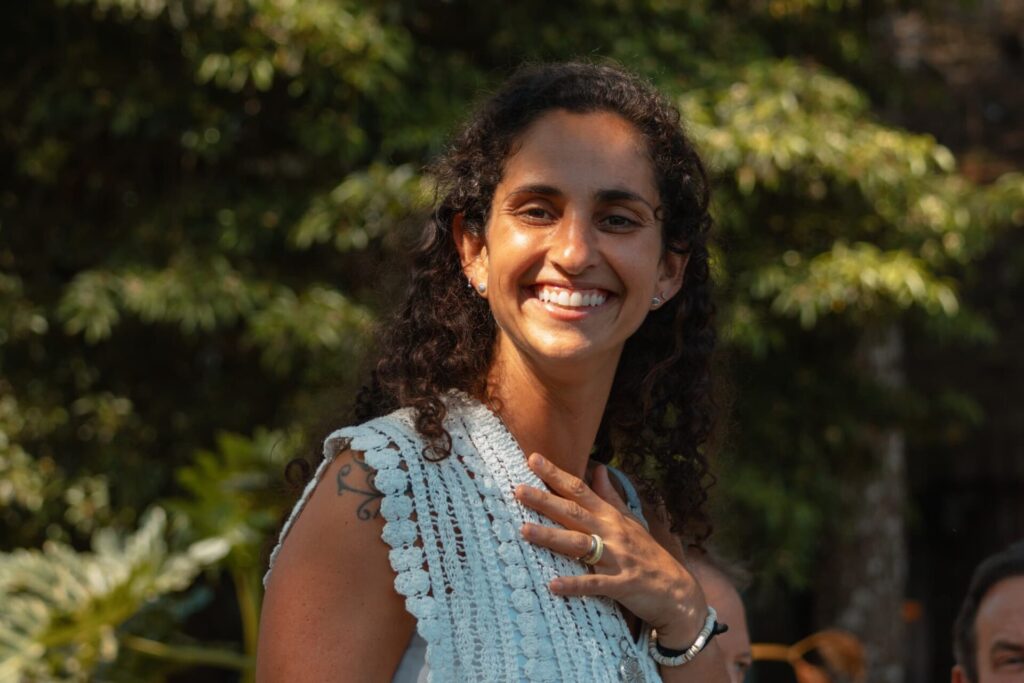
Renata Minerbo
Co-Founder with Seth Tabatznik, Be the Earth Foundation
A family foundation supports the shift to an eco-centric economy
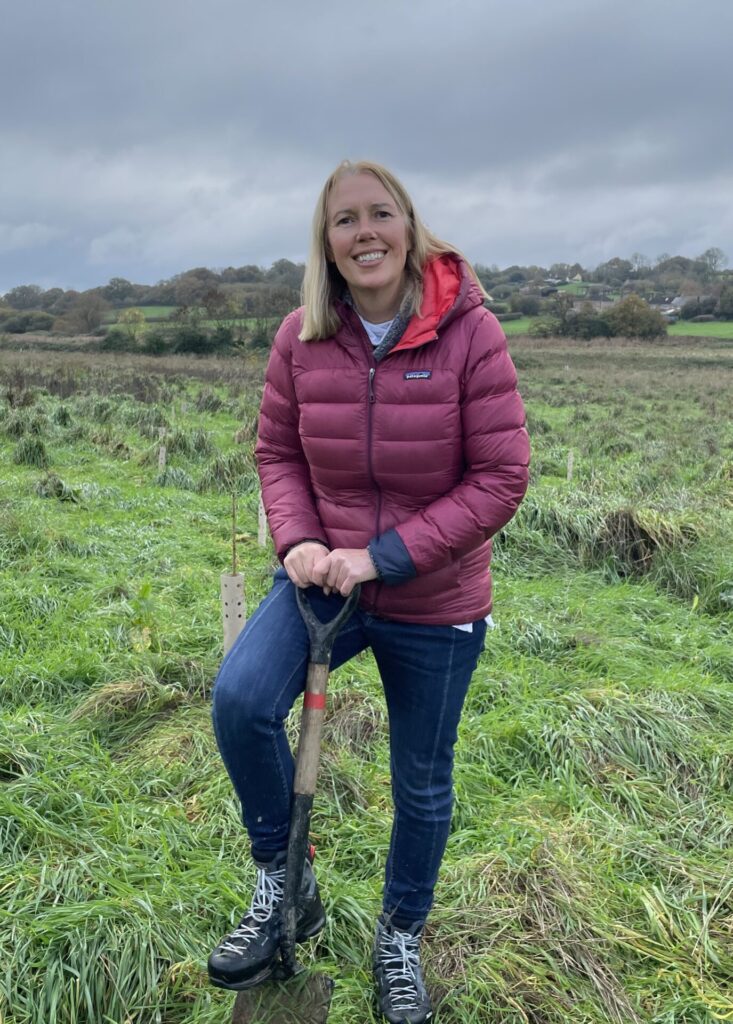
Julia Davies
Founder, We Have The POWER
A donor directs her wealth and legal expertise towards transformative change
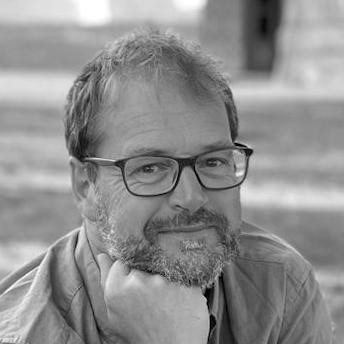
Jon Cracknell
Trust Secretary, The Ecology Trust
A long-time funder shares his reflections on where the environment movement is succeeding and what funders could do differently
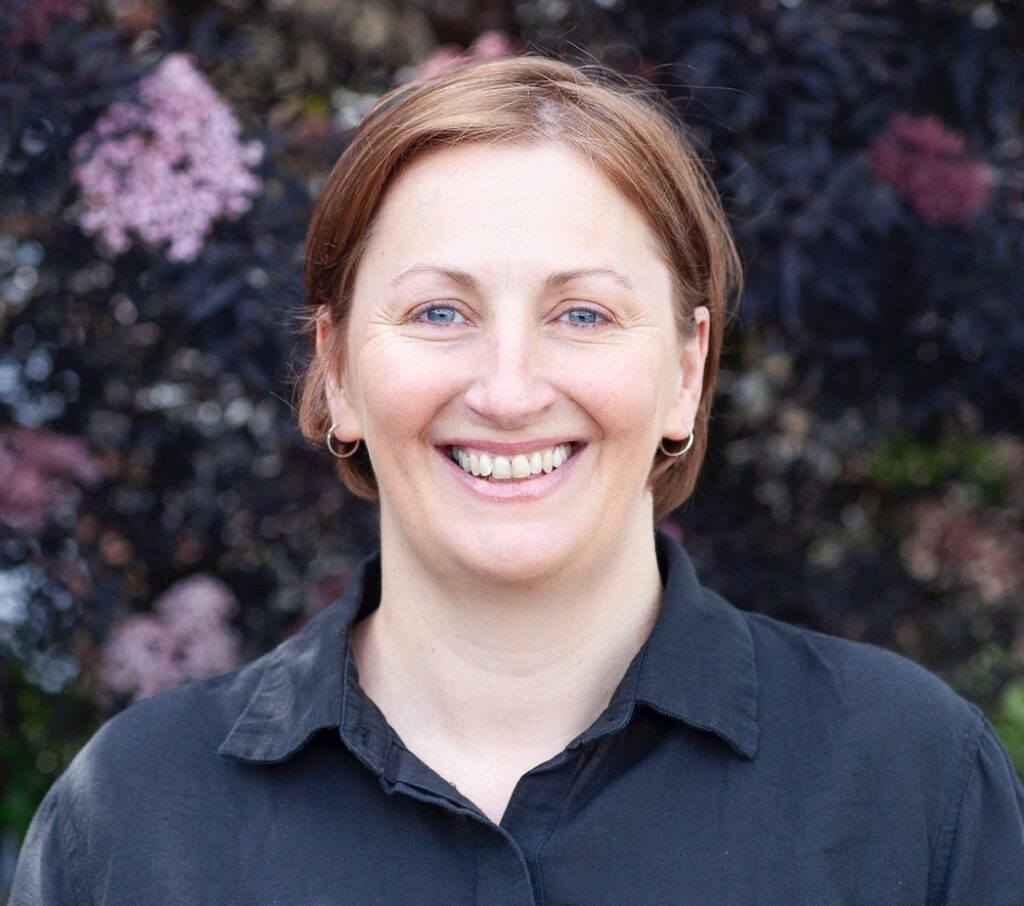
Christine Oliver
Trust Secretary, Polden-Puckham Charitable Foundation
A foundation spends down its funds to meet the challenge of this moment
William Kenyon
Individual donor
A donor realises that funding what he’s passionate about allows him to stick with it for the long-term
Stephanie & Stuart Mills
Co-Founders, Practical Acts
A couple mobilises the spectrum of their wealth to support the environment
Jessica Sweidan
Co-Founder, Synchronicity Earth
A foundation helps other donors protect life on earth