Giving
Our
All
Stories of philanthropy in action
Edited by Florence Miller
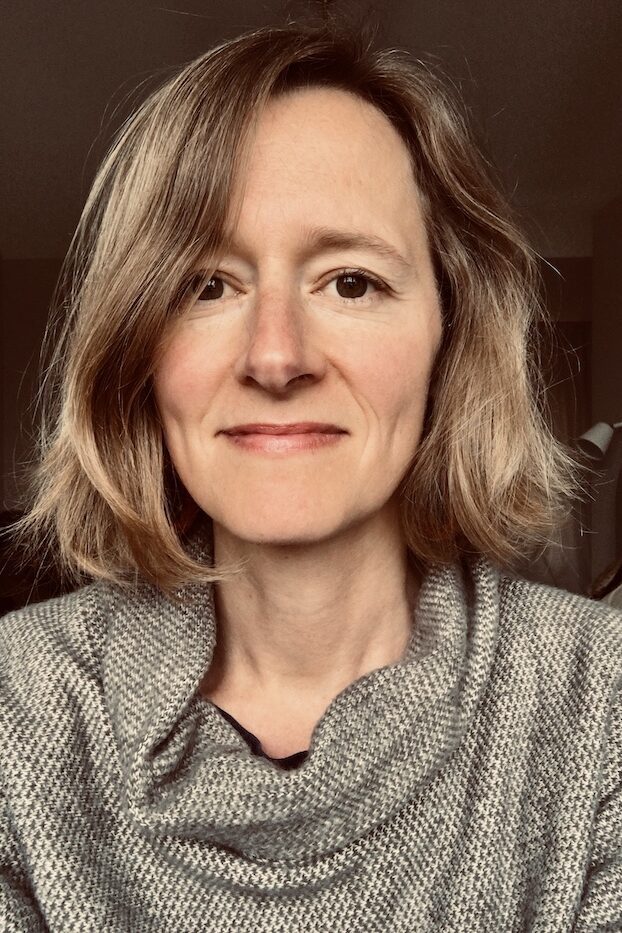
Introduction
Editor’s Letter
As soon as I started my role at the Environmental Funders Network in 2012, it was clear the network brought together an extraordinary group of people. A science historian was harnessing her family’s wealth to fund large-scale conservation globally. A retired local authority worker was giving away much of his savings to protect the climate. A lawyer – alarmed by the state of the environment – shared what he’d learnt practising corporate law with the campaigning organisations he supported. These were just three members of a network numbering in the hundreds. Like the others, they were passionate, thoughtful, concerned and committed.
After stepping down from my role in 2024, I was delighted to be asked by EFN to interview donors and funders for this collection. They told me about key moments in their lives when they realised it was time to give their all; the successes they’ve enjoyed; the lessons they’ve learnt; the people who have guided them; and what gives them the hope they need to keep going when the situation often seems desperate. They offer a trove of ideas and examples for anyone wondering how to go about supporting effective environmental action.
Interviews
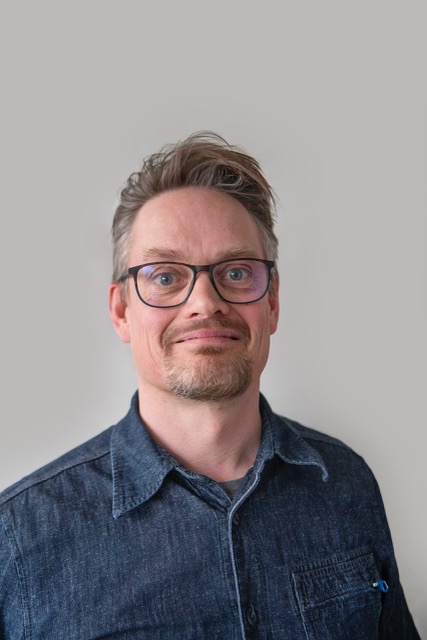
Nick Oldridge
Individual Donor
A donor sees the need for a different type of climate communications
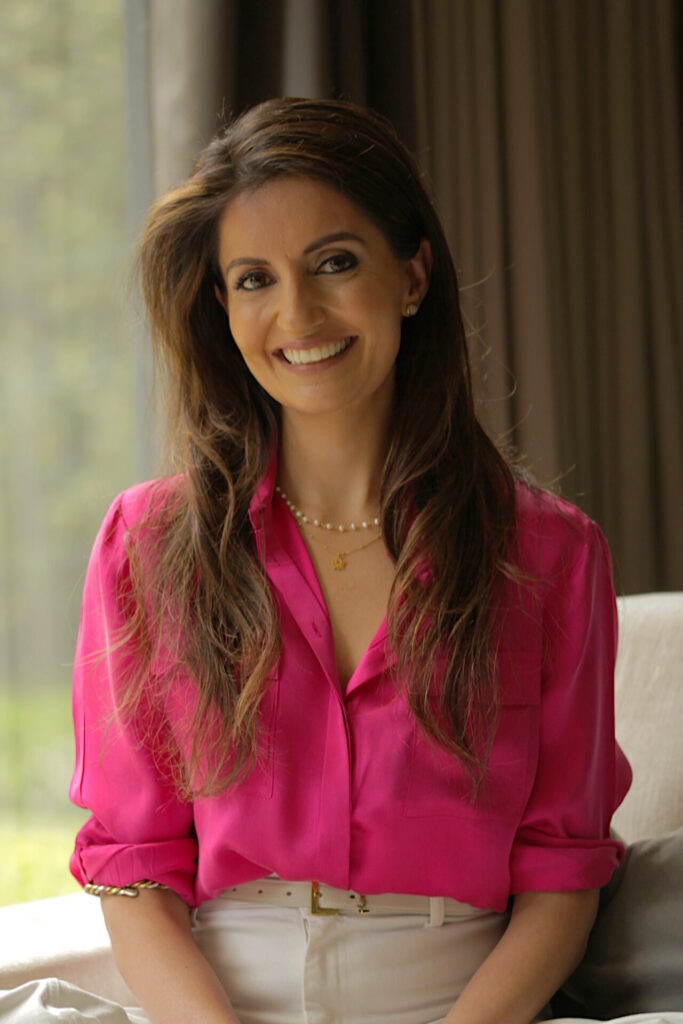
Sonal Sachdev Patel
CEO, GMSP Foundation
A family supporting the grassroots.
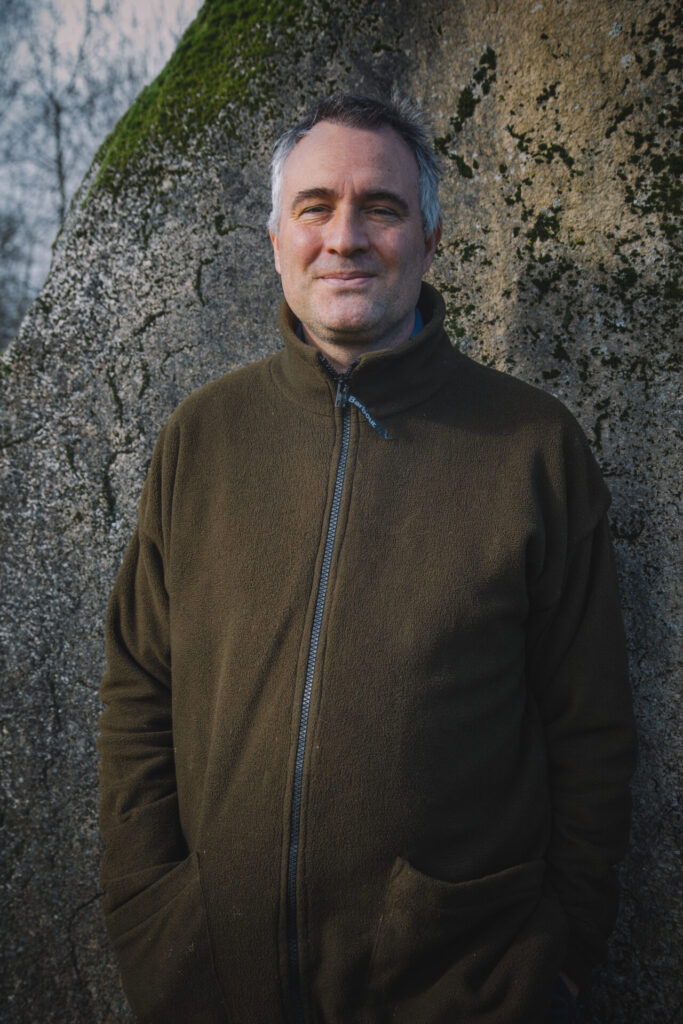
Ben Goldsmith
Chair, Conservation Collective; Trustee, Children’s Investment Fund Foundation
A lifetime championing nature
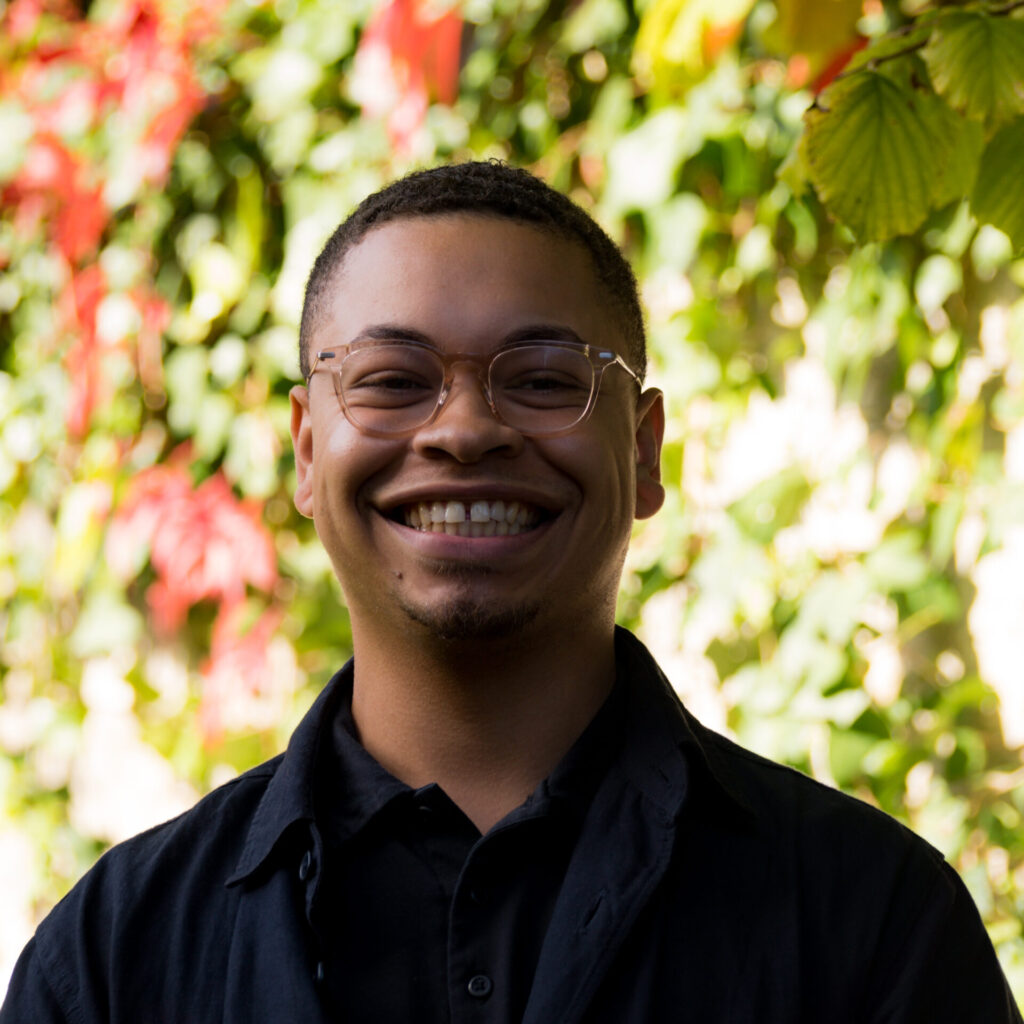
Eli Manderson Evans
CEO, Blagrave Trust
A youth funder recognises the urgent need to address climate change
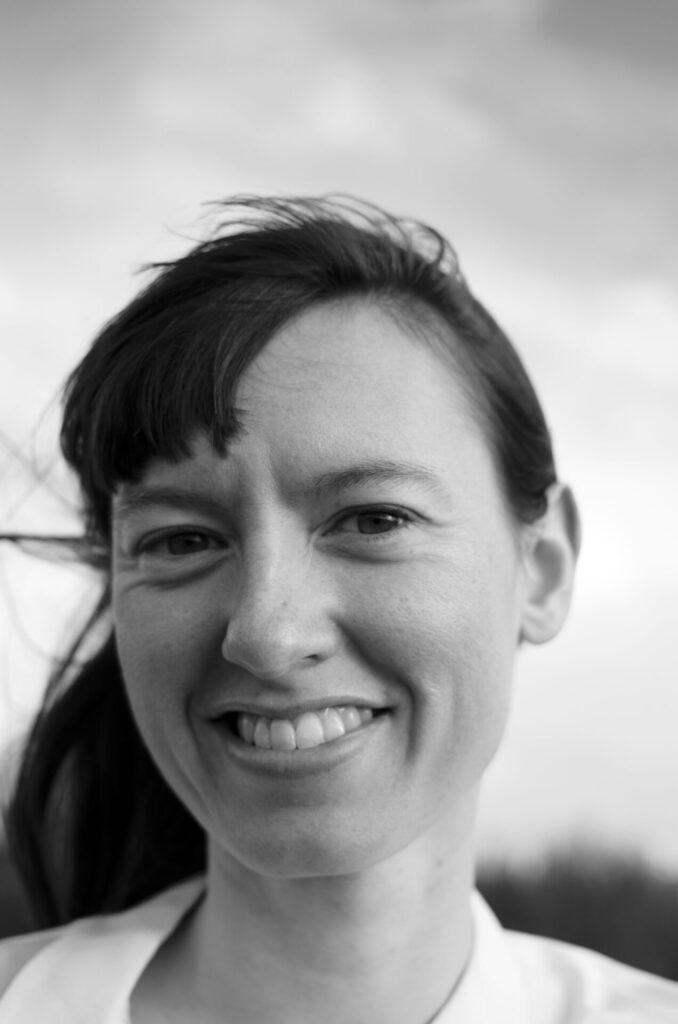
Leonie Taylor
Trustee, Taylor Family Foundation, and individual donor
A donor faces the origins of her wealth
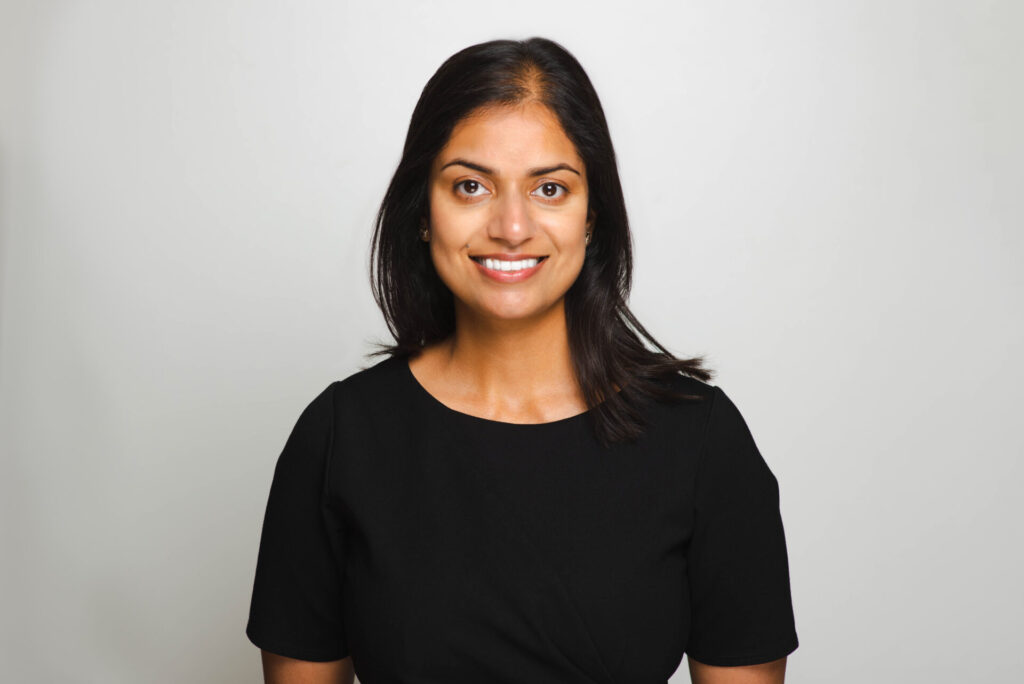
Sufina Ahmad
Director, John Ellerman Foundation
A foundation shifts from funding individual issues to focus on systemic change
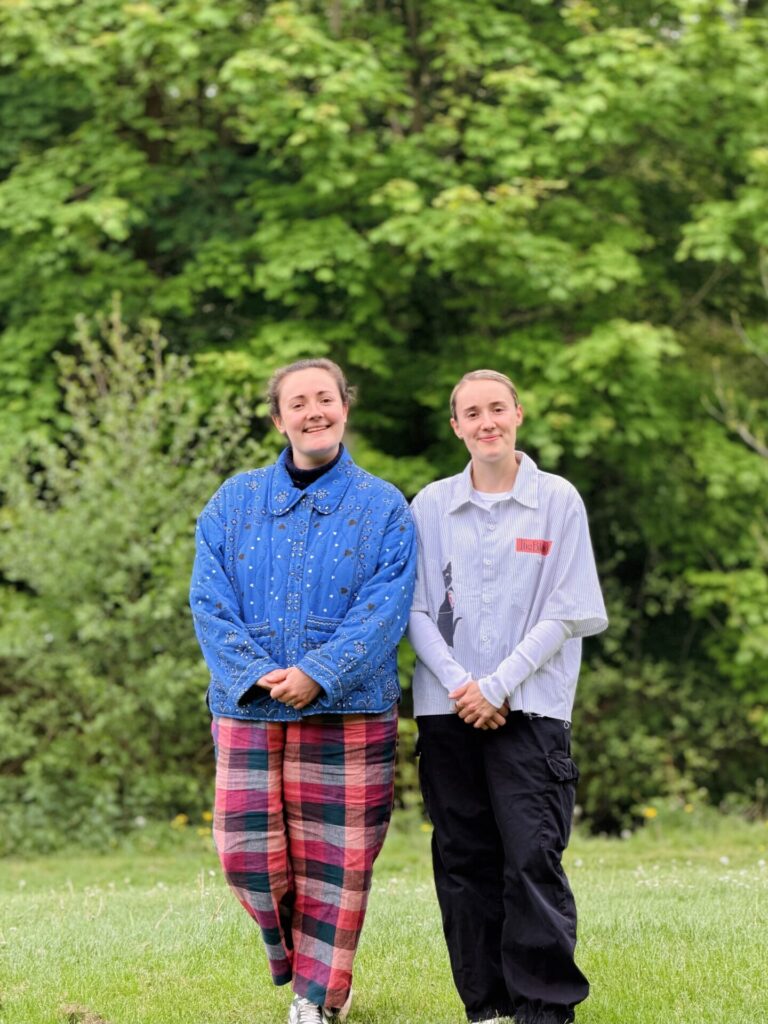
Lauren Gupta & Becky Holmes
Co-founders (with Bill Holmes), The Helvellyn Foundation
Next generation donors with a passion for wildlife and trust in their partners
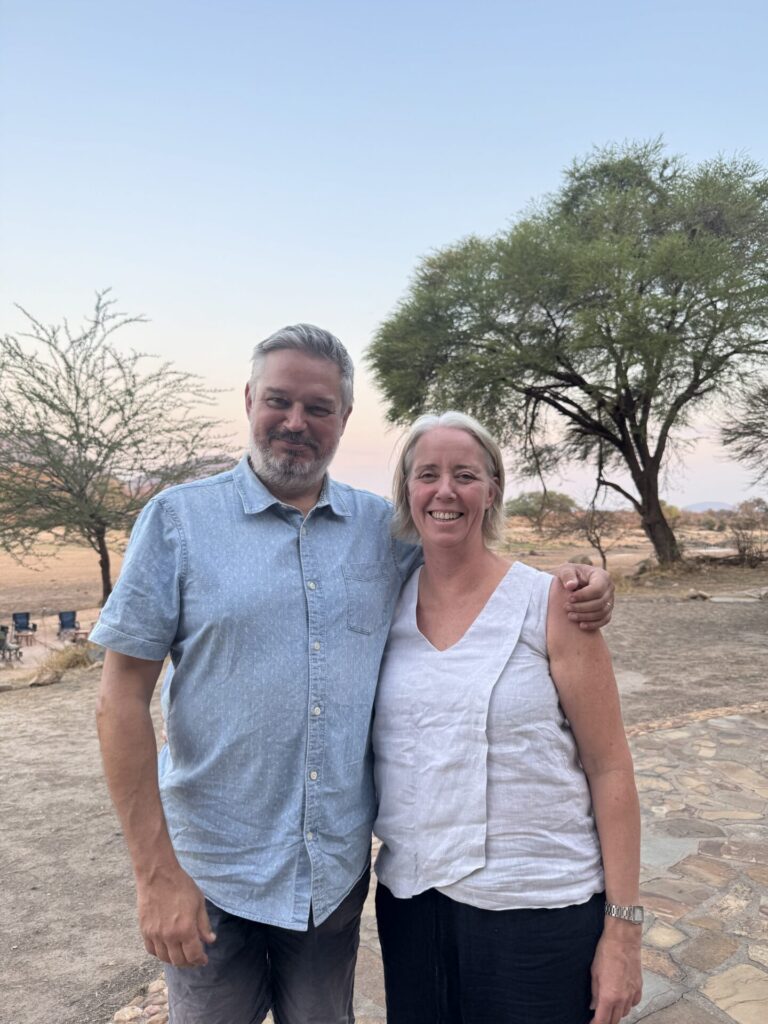
Sophie & Nick Marple
Co-Founders, Gower Street
A couple deploys their wealth to tackle the climate crisis
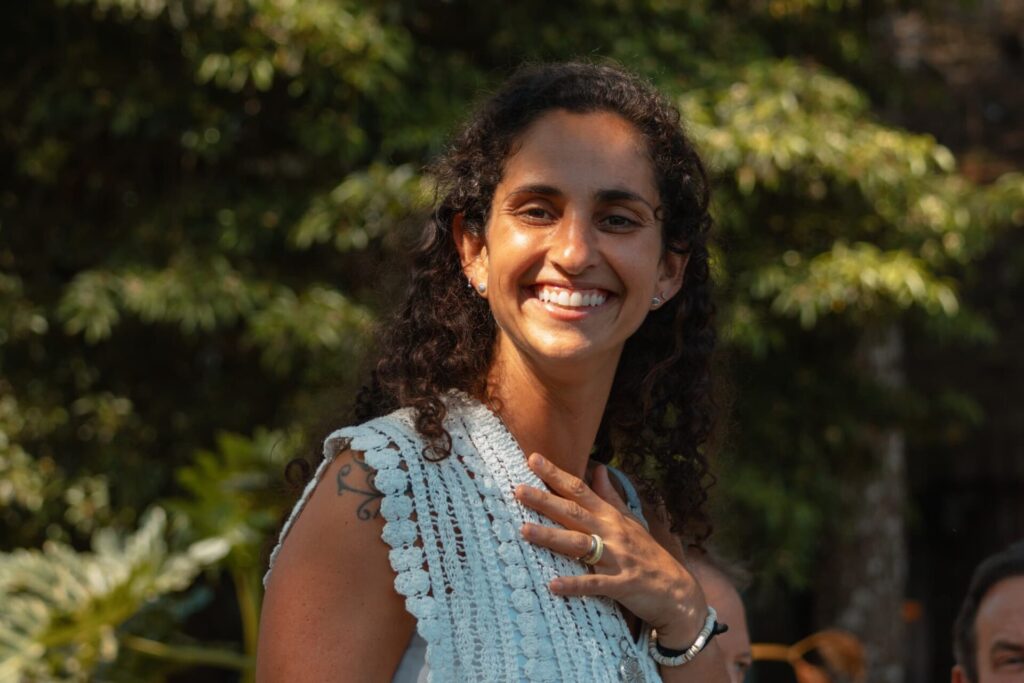
Renata Minerbo
Co-Founder with Seth Tabatznik, Be the Earth Foundation
A family foundation supports the shift to an eco-centric economy
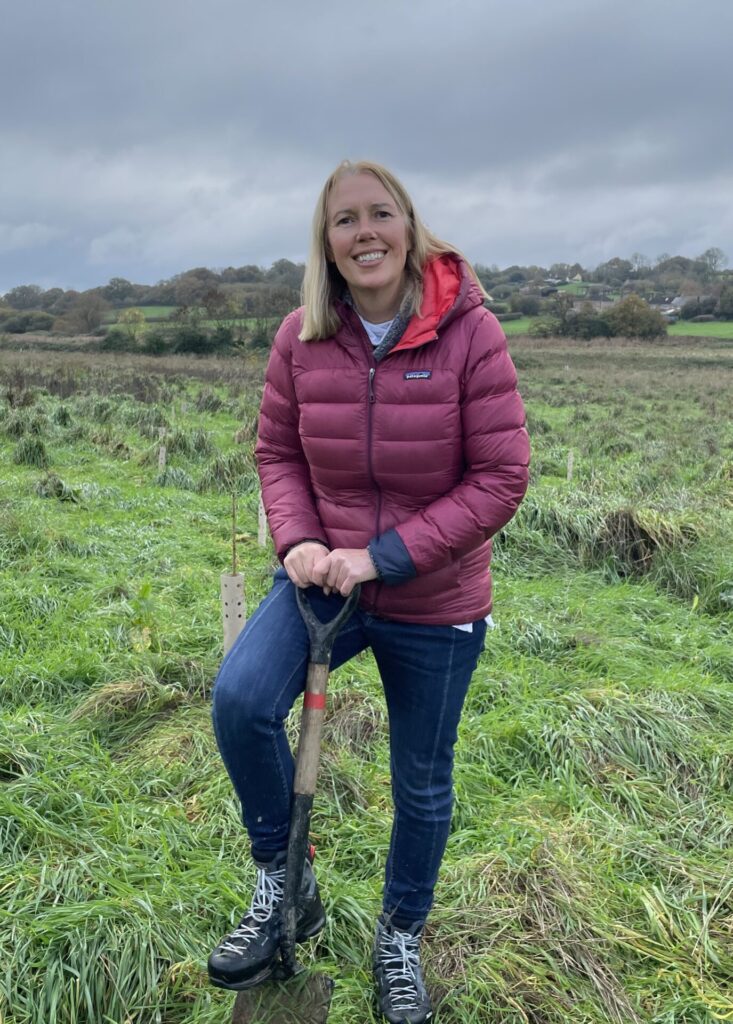
Julia Davies
Founder, We Have The POWER
A donor directs her wealth and legal expertise towards transformative change
Jon Cracknell
Trust Secretary, The Ecology Trust
A long-time funder shares his reflections on where the environment movement is succeeding and what funders could do differently
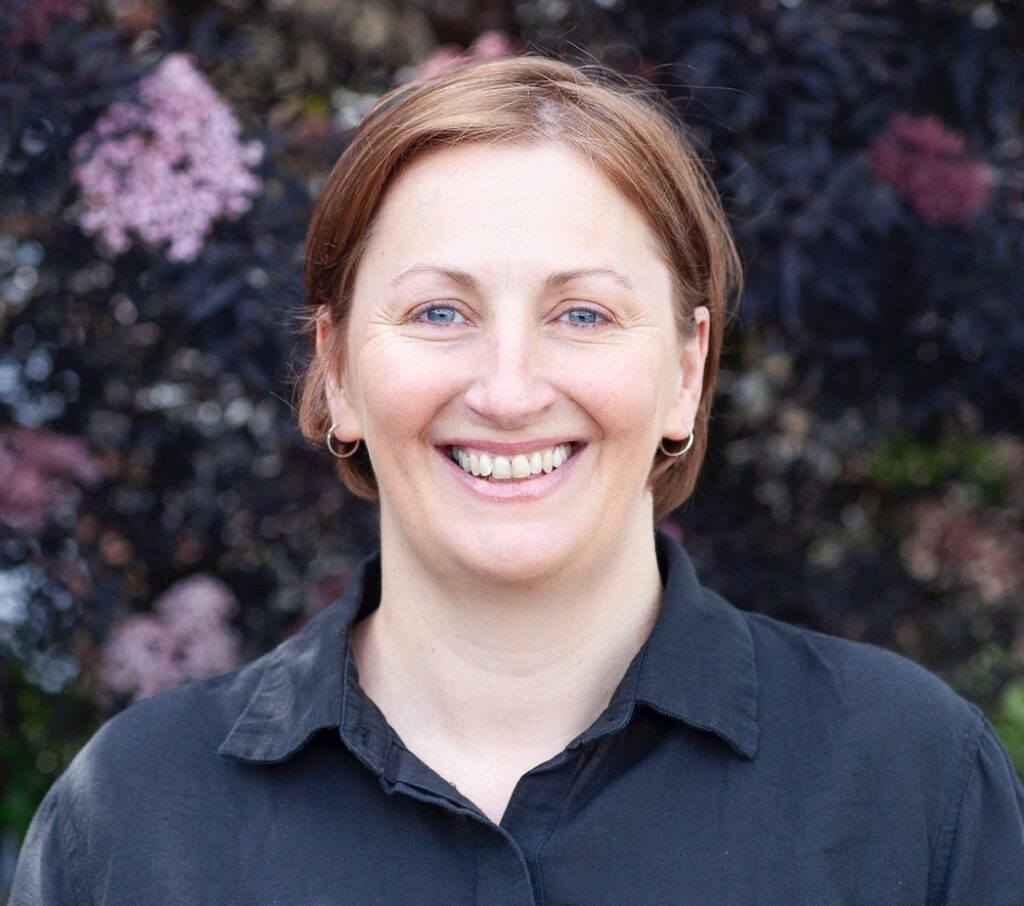
Christine Oliver
Trust Secretary, Polden-Puckham Charitable Foundation
A foundation spends down its funds to meet the challenge of this moment
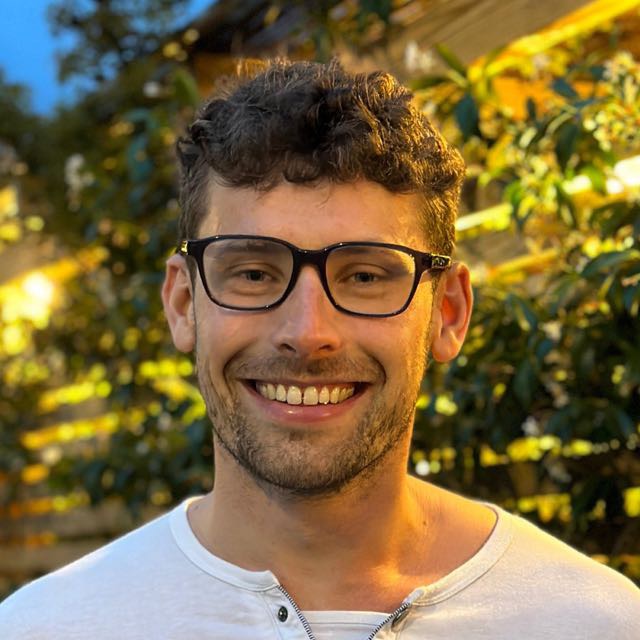
William Kenyon
Individual donor
A donor realises that funding what he’s passionate about allows him to stick with it for the long-term
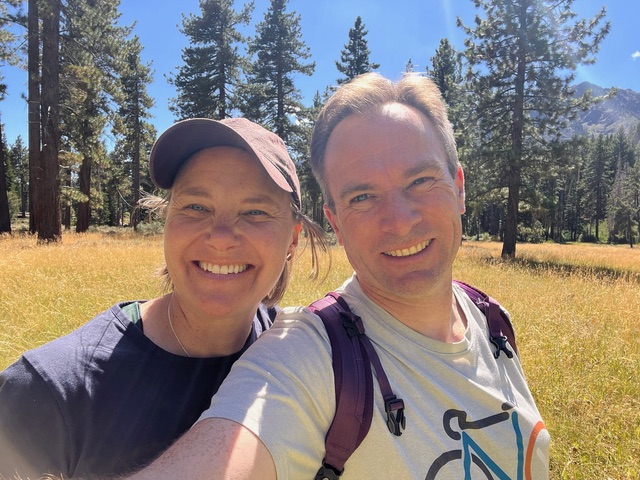
Stephanie & Stuart Mills
Co-Founders, Practical Acts
A couple mobilises the spectrum of their wealth to support the environment
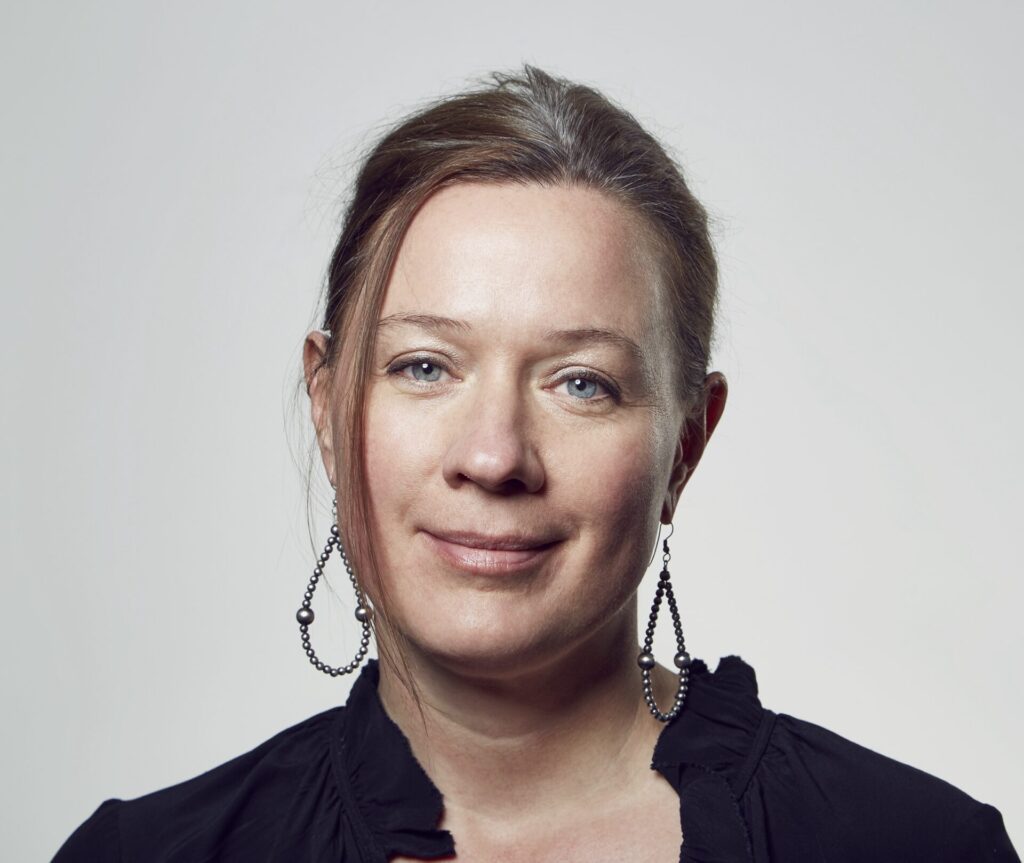
Jessica Sweidan
Co-Founder, Synchronicity Earth
A foundation helps other donors protect life on earth
Perhaps the key questions are what can each of us contribute – financial or otherwise – and how do we ensure we become more than the sum of our parts?”
The 15 interviews bring to life some key themes:
Joy: Environmental issues provoke a range of emotions across the interviewees, from anxiety to outrage, fear to fury. But a common theme is the joy, satisfaction and sense of purpose that donors and funders derive from acting to solve those problems. ‘Action absorbs anxiety,’ says Stephanie Mills. ‘I’m involved, I can do something… I’ve found that it takes away some of the scariness of climate change and feeling so helpless.’ ‘It’s the most rewarding thing you can do,’ says Jessica Sweidan. ‘Once you’re involved in it, it’s really hard to shake.’
Ambition: There is a powerful sense of ambition amongst the interviewees. For many the goal is nothing short of the transformation of the world as we know it, though the scales at which they are operating may vary. Jon Cracknell calls for more ambition among a broader group of environmental donors: ‘There are still a lot of funders who are too nervous about engaging with politics, with a small “p”. It’s well past the moment where we need to drop that nervousness. The radical right or “anti-environment” funders absolutely engage with the political system and don’t have any qualms about doing that.’ Renata Minerbo focuses on the economy itself, seeing that the many environmental issues stem from the way the economy functions: ‘We want to encourage a transition towards a more eco-centric economy, where people are part of nature… [Through our investments] we experiment with different financial models that help us move away from the extractive relationships.’
Urgency: A sense of urgency permeates the interviews. Several of the funders decided to spend all of their funds this decade, in order to stave off the worst of the climate and nature crises. Others created new initiatives to fill what they saw as a significant gap in our response to the challenge. ‘I saw a video clip from Professor Kevin Anderson, the climate scientist,’ says Nick Oldridge. ‘The words that he was saying are the most important words on the planet. That’s not hyperbole, he was just spelling out where we are versus where we should be. I thought, this content should be on the BBC.’ Sophie Marple feels similarly: ‘Now is when you can have the most impact, before the crisis gets really advanced. Small amounts of money can still change things.’
Interconnection: Environmental issues are impossible to disentangle from social issues. Eli Manderson Evans puts it this way: ‘The climate breakdown doesn’t affect us all equally; it’s those who are most vulnerable in society who are most vulnerable to its effects.’ Julia Davies sees how this has played out in the UK: ‘My family are from South Wales, which powered the Industrial Revolution with coal. Most people of those communities didn’t benefit significantly; they were left in poverty.’ Sufina Ahmed describes how the John Ellerman Foundation incorporates this interconnection into their grantmaking strategy: ‘We look to work with grant partners for whom change-making is core to what they do.’
Trust: Almost everyone I interviewed had come to the same conclusion: that giving flexible, multi-year funding to organisations (and to individuals, in some cases) was more effective than project-based grants with heavy reporting requirements. Several drew the same analogy: in the commercial world, investors trust management teams to allocate their funds as they see fit, and can understand that it may be years before they see a profit. ‘But in the not-for-profit world, we micromanage grantees, and ask them to deliver on things in six months, one year, two years. Why do we do this?’ asks Sonal Patel.
Love: Literally, the essence of philanthropy, but expanded for these funders to include not just ‘man’ (anthropos) but all our fellow beings. For many of the interviewees, what has cultivated this love of nature is time outside: Becky and Lauren Holmes playing in their grandparents’ gardens as children; Ben Goldsmith building ponds as a child and walking the land with neighbours every Friday as an adult; Leonie Taylor experiencing a state of wonder watching her trees produce fruit every season. ‘All of my enthusiasm, my energy, my sense of well-being, my love for nature – all the motivation to do everything that I do develops while I’m in Somerset, close to nature,’ says Ben.
Each interviewee approaches the problems we are facing in different ways, often rooted in quite different values. The scale of their giving ranges from the tens of thousands to the tens of millions. Each interview is self-contained. You don’t need to read them in order. As you dip into them, some will likely resonate; others may challenge your ways of thinking. Nature teaches us that diversity underpins resilience and adaptability in the face of change. The independence and variety of funders is both the challenge and the advantage of philanthropy. Perhaps the key questions are what can each of us contribute – financial or otherwise – and how do we ensure we become more than the sum of our parts?
Florence Miller
Director of EFN, 2012-2024
Themes
The 15 Giving Our All interviews bring to life some key themes:
Joy
Environmental issues provoke a range of emotions from anxiety to outrage, but joy is a unifying theme that these funders and donors derive from acting to solve those problems.
Ambition
These funders and donors all share a powerful sense of ambition – their goal is nothing short of the transformation of the world as we know it.
Urgency
There is a focus on acting now, while funding can still help prevent the worst of the climate and nature crises.
Interconnection
Environmental issues are impossible to
disentangle from social issues and funders recognise that environmental issues do not affect us all equally.
Trust
Funders and donors deeply trust their grant partners and they advocate for others to give flexible, unrestricted and long-term support.
Love
For these funders and donors their giving is not only motivated by love of their fellow humans, but also their love of the more-than-human world.