05.
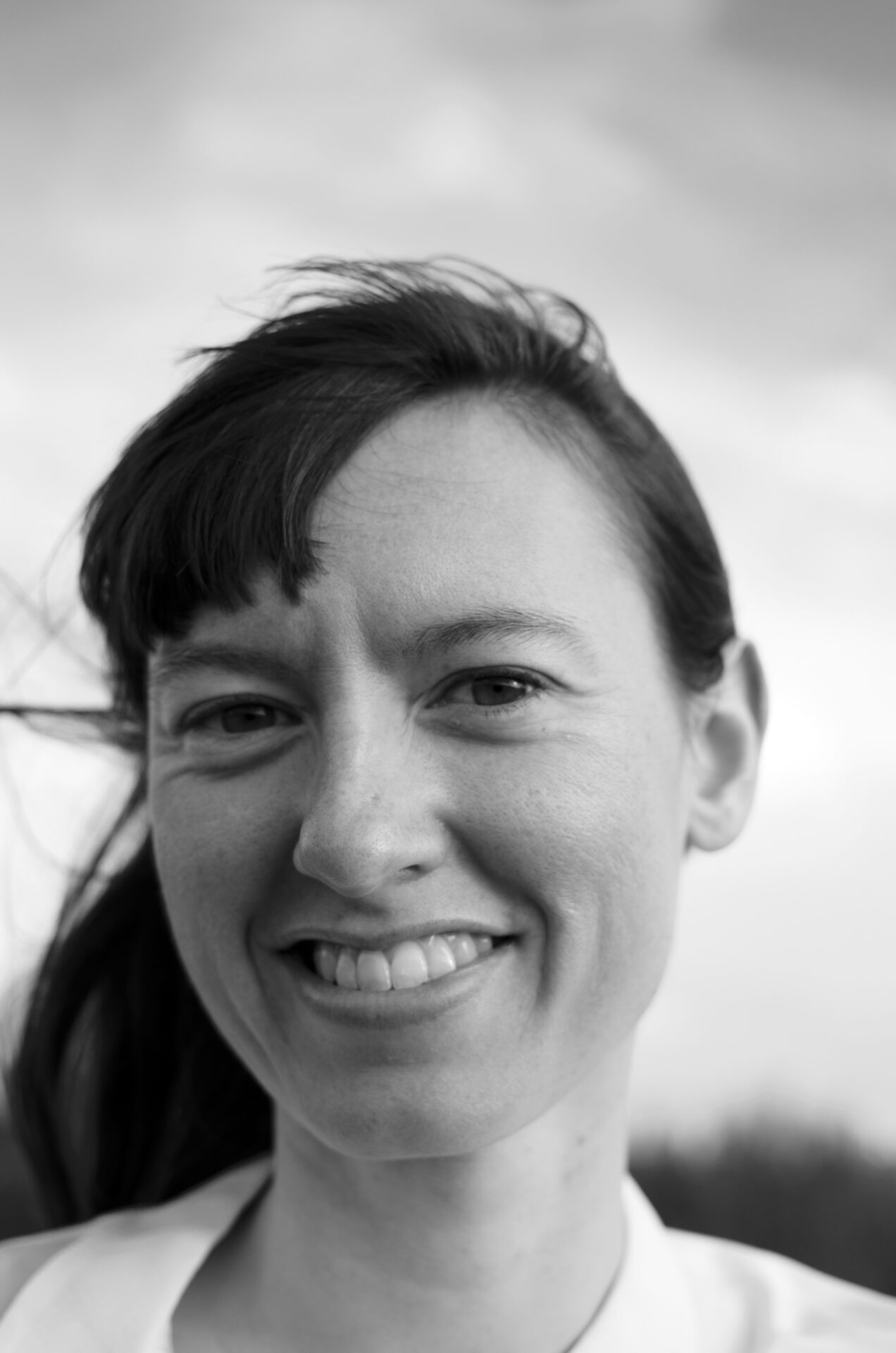
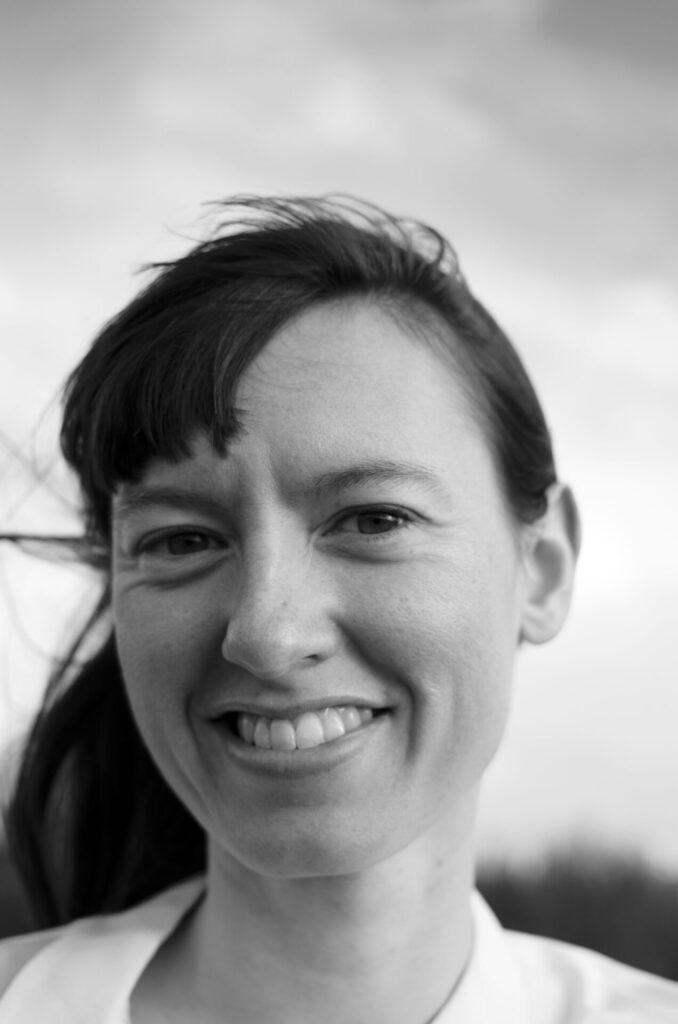
Leonie Taylor
Trustee, Taylor Family Foundation, and individual donor
A donor faces the origins of her wealth
I live in Ibiza. I have a two-year-old daughter, and I’m also an artist – a painter and a print-maker.
I was born into a family of four. My dad, Ian Taylor, was the CEO of Vitol, a privately traded oil company. Growing up, I was aware that there was something around oil that I should be conscious about, but I didn’t really want to look at it directly. I was educating myself through my studies about other kinds of justice – gender and racial justice.
One day I was running a workshop on the interconnections between white supremacy, capitalism and the climate catastrophe and I realised I really needed to look into this. It felt like a huge block for me – such an emotional, personal, difficult thing. I realised it was something I had to reckon with.
It’s been quite a journey to understanding myself, the family I was born into, where the money has come from, and what my responsibility is in this lifetime with that.
It’s been quite a journey to understanding myself, the family I was born into, where the money has come from, and what my responsibility is in this lifetime with that.”
What has your family’s philanthropy focused on to date, and what has been your role in it? Do you give separately as well as via the family foundation?
My parents set up a family foundation almost 20 years ago. It focuses on supporting disadvantaged young people, mainly near where we live in Merton, initially, and now branching out across London. It is focused on education, supporting the arts for children, and improving outcomes for children affected by different kinds of complex needs.
I’m getting more involved now that I’m a trustee. My siblings and I have started to take more of an active role, which is exciting, so we are updating the strategy. Previously we were very reactive, looking at everything coming in, and now we want to be a bit more proactive and seek out partnerships.
Aside from that, I do my own personal giving, which is where I’ve given more to environmental justice work.
In what ways has the environment featured in your giving and your work more broadly?
One of the first organisations that I was really inspired by is called Thousand Currents; I met them through a Resource Generation conference. They fund social movements in the Global South working at the intersection of climate justice, gender justice, decolonial justice.
My mum and I have given together, too, for example to Angela Terry’s One Home climate solutions organisation (which sadly had to close recently due to lack of funding). Source International is another organisation I think is fantastic. They have climate scientists who work around the world providing evidence of the ways that nature and communities have been destroyed by different practices – mining in particular – and trying to get justice for those communities.
There are many important climate activist networks in Europe. One is Collective Abundance, a participatory fund which grew out of the Leap Collective, which I’m involved in. Another is the Grassroots Network for Climate Justice; I’ve recently supported their member Tipping Point.
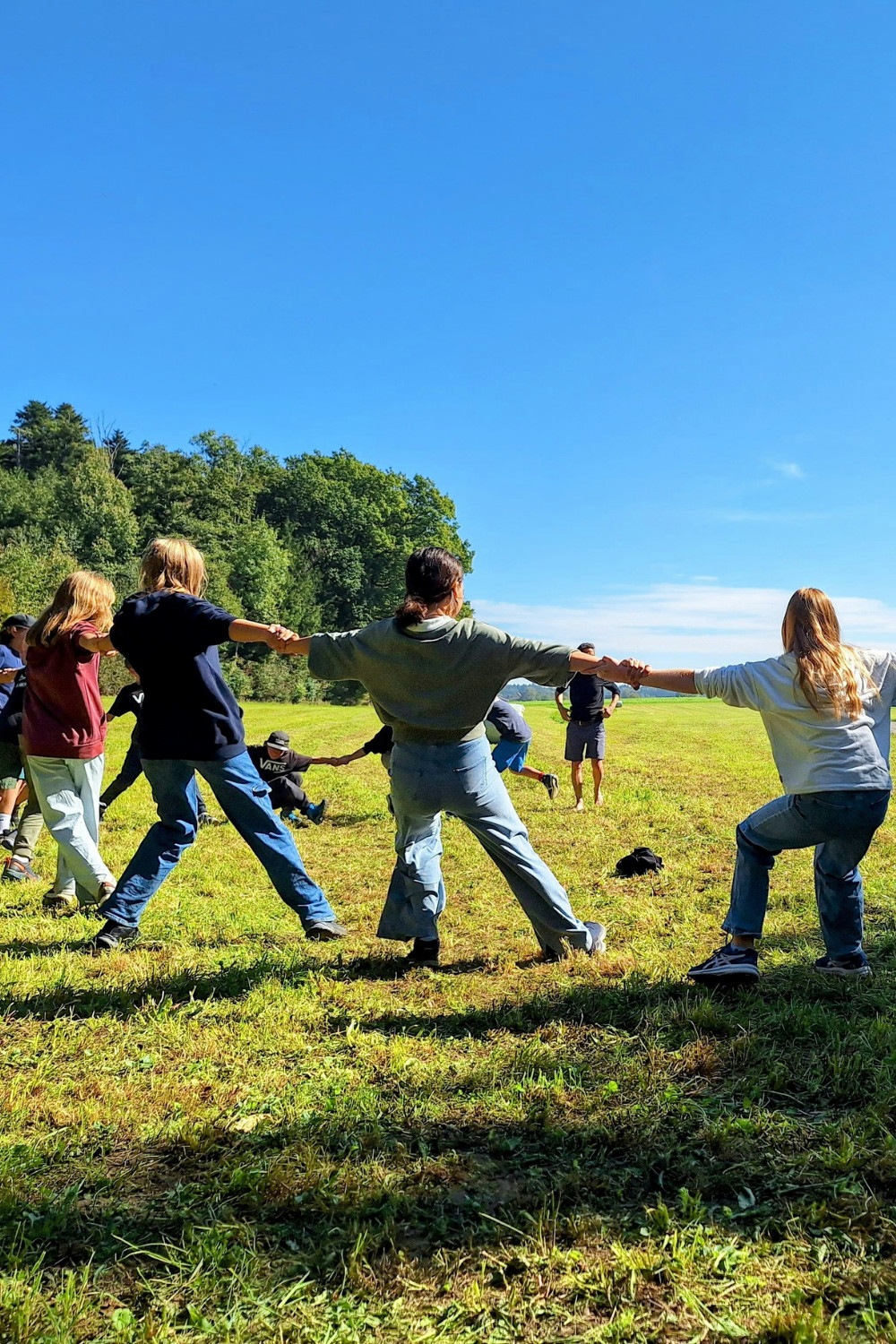
I also co-founded Resource Justice UK, which is a community of young people with wealth (often inherited) or class privilege who care about the future of the world we’re in and are interested in the redistribution of wealth, land and power. It was inspired by Resource Generation in the US.
At Resource Justice we do something called Praxis, which is a six-month political education curriculum where you share your money stories, talk about the assets you have access to and talk about whatever is meaningful for you around your class privilege. More broadly, we talk about inequality and colonialism and putting your personal story in the context of inequality and oppression more structurally.
There’s also an element of thinking about your relationship to money and your emotions around it. Some people get stuck in this uncomfortable place that doesn’t really provide an incentive to act. So there’s a nurturing element to those groups, where you’re creating relationships and stepping into action. We come up with giving plans, with goals, we gently nudge each other on how it’s going. The status quo is very much not keen on redistribution, so people come up against a lot of barriers, and it can be really hard to overcome them on your own.
This is the great wealth transfer that we’ve been hearing a lot about. It’s really important to organise the generation that is inheriting a lot of wealth.
You had a growing awareness that you should be looking at the origins of your wealth, but was there a particular moment or experience that made environmental issues feel more urgent for you?
When I went to the Thousand Currents Leadership Academy in California, there was an exercise where we had to go into nature and just observe. I was looking at these microscopic insects and all the little movement that was happening on the soil – it was in a really beautiful place – and I remember just feeling a very profound sense of grief rising in me. Just observing how beautiful our world is, and feeling the grief that we’ve done so much harm to this planet and to nature. I’d been so dissociated from my own personal connection to that harm, in order not to think about it for so long. Feeling that grief was very powerful.
Who would you say you’ve learnt from about how to be an effective philanthropist and social activist?
I would definitely say Thousand Currents; all of their team are incredible. I’m also learning from friends of mine who are Indigenous, who have a different relationship to land and to ancestors. I went to the Amazon with my friend Teku who is an activist from the Aymara; that was very powerful. We were in Ecuador, on the border with Peru, with people who live in that environment and are trying to defend it from logging and mining. You can learn from watching an amazing documentary, reading a great book or listening to a podcast, but you really can’t unlearn an embodied experience that you’ve physically had in a place.
When we were setting up Resource Justice, there was already Resource Generation in the US and Resource Movement in Canada. Just seeing other people who had similar backgrounds and were walking the talk with their politics was very inspiring. When you come from a place of privilege, you’re not really interdependent with other communities and can keep your distance. You can be fearful of getting into the fray. To have a model of people who are on the front line was really impressive for me.
It’s that thing about risk: what kind of a risk is it for you? Every day, people all over the world are experiencing unbelievable risks fighting for justice. Activists are being killed all the time. So I think we need to reframe that very low tolerance for discomfort, and that very strong feeling of entitlement to a sense of safety and security which money can provide.
I can understand the desire to accumulate wealth in order to feel safe – it can come from trauma and different paths. Parting with money might feel scary because of all the messages we’ve internalised around what is actually a threat to your safety and what isn’t. As rich people, we have a very warped sense of what a threat is and what isn’t. We’re out of touch with reality, essentially.
I also think there’s a sense that you’re foolish or stupid if you lose money, or you don’t make money, or you give away too much money, or give to something that’s not impactful enough. So in terms of perceived risk, there’s also this losing face element, where no one wants to be seen as frivolous, or too idealistic.
When you come from a place of privilege, you’re not really interdependent with other communities and can keep your distance. You can be fearful of getting into the fray. To have a model of people who are on the front line was really impressive for me.”
It strikes me that one big risk you have taken, personally, given the origins of your wealth, is turning your attention to the climate crisis. How has that been challenging?
Obviously I love my family very much and I think I’ve come a long way. When I was younger and learning about the world, I felt a lot of anger towards my dad, and I was really an outsider in the family system. For a long time I didn’t even want to have children. I had this idea that maybe my future children might be okay financially and physically, but the world would be on fire, and it would be because of the family that I’ve been a part of. So I was really reckoning with those feelings of guilt and anger.
But then I reflected that I was projecting a lot of my unprocessed feelings onto a future being that doesn’t exist yet, and that it doesn’t help to beat myself up, and to deny myself something that I actually want, to prove a point, or to be on some kind of moral high ground. It felt like if I could let go of my anger around my dad, then I would see it from a different perspective. And I have. He died in 2020, and I was lucky that I could have conversations with him while he was still alive and also to process my own stuff in therapy around it all, so that when he passed I wasn’t left with lingering issues to figure out. I actually feel he’s a very supportive presence as an ancestor to the work I am doing, which feels really good.
I feel much more at peace with it, and have my own family now. I might not see the world exactly the same ways as my siblings or my mother, but that doesn’t mean I don’t love being involved in the foundation together. I can love and respect people without needing to convince them of my every point.
Sometimes things can seem like such massive problems – you think, how is it possible that a donation is going to make a difference? But actually, it can, and it does.
What do you see as success, and have you experienced it yet, in terms of your environmental work?
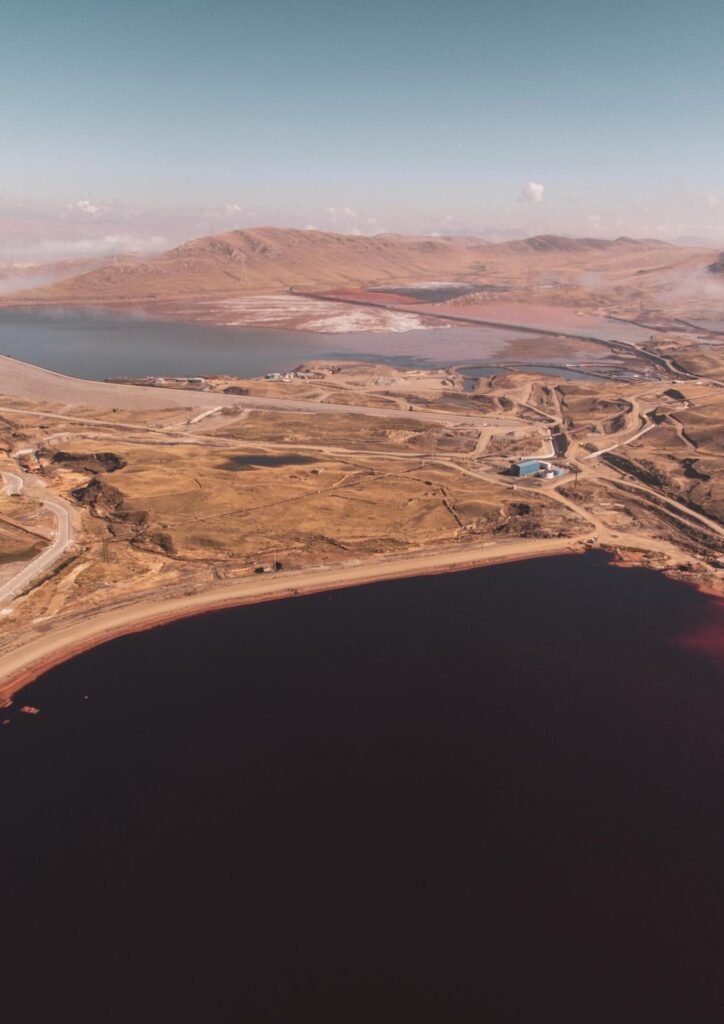
Source International were doing a project in Cerro de Pasco, Peru, which is one of the most polluted places in the world, largely because of mining. Partly with the support that we gave them, they were able to win a legal battle to protect the human rights of people that have been severely affected by the heavy metals pollution, with children growing up with all kinds of disabilities. That was an example of a tangible positive outcome that required the government to act, essentially. Sometimes things can seem like such massive problems – you think, how is it possible that a donation is going to make a difference? But actually, it can, and it does.
Who or what gives you hope?
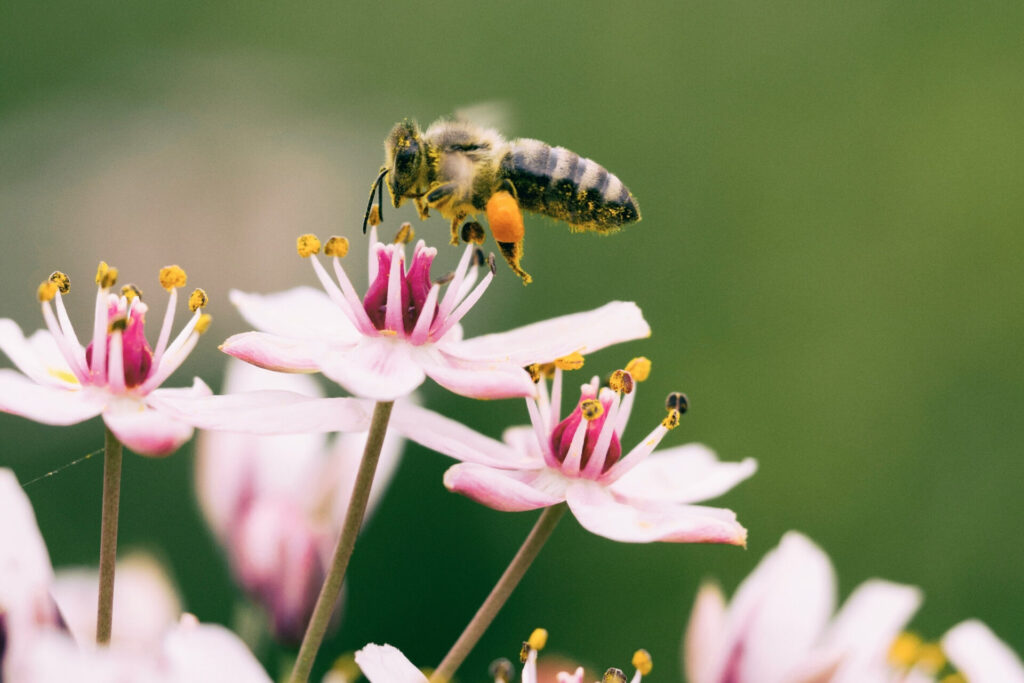
What comes to mind is just the incredible beauty and resilience of nature that I experience: how abundant it is. I’m in Ibiza, I am lucky to be in a place where it’s very fertile. We have fruit trees, and it’s stunning to watch the fruit come every season, and watch it grow, and to pick it. So maybe it’s being in wonder, in a state of awe that gives me – if not hope, perhaps purpose and a sense of joy.
If nature were speaking through you, what do you think she would be saying to other next-generation wealth holders, and to yourself?
I hear, ‘Help! SOS!’ And ‘just go for it. Give generously, step in boldly, don’t hold back.’
I’m reading Roman Krznaric’s book about being a good ancestor and it talks about an exercise when you imagine the future, when a child you know now is 90 years old. What stories would you want them to be telling? How would you want to be remembered?
Interviews
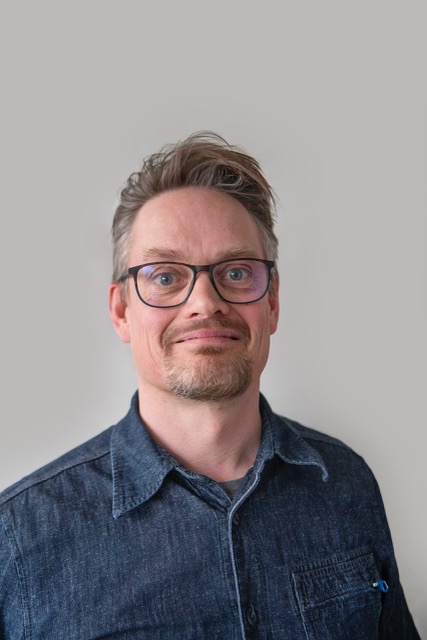
Nick Oldridge
Individual Donor
A donor sees the need for a different type of climate communications
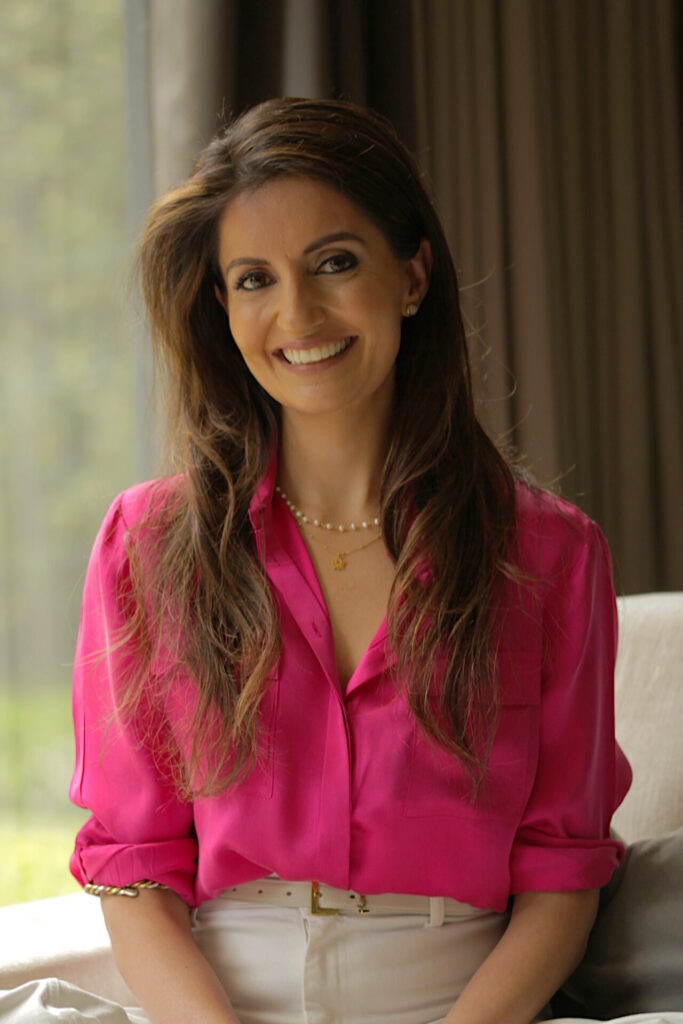
Sonal Sachdev Patel
CEO, GMSP Foundation
A family supporting the grassroots.
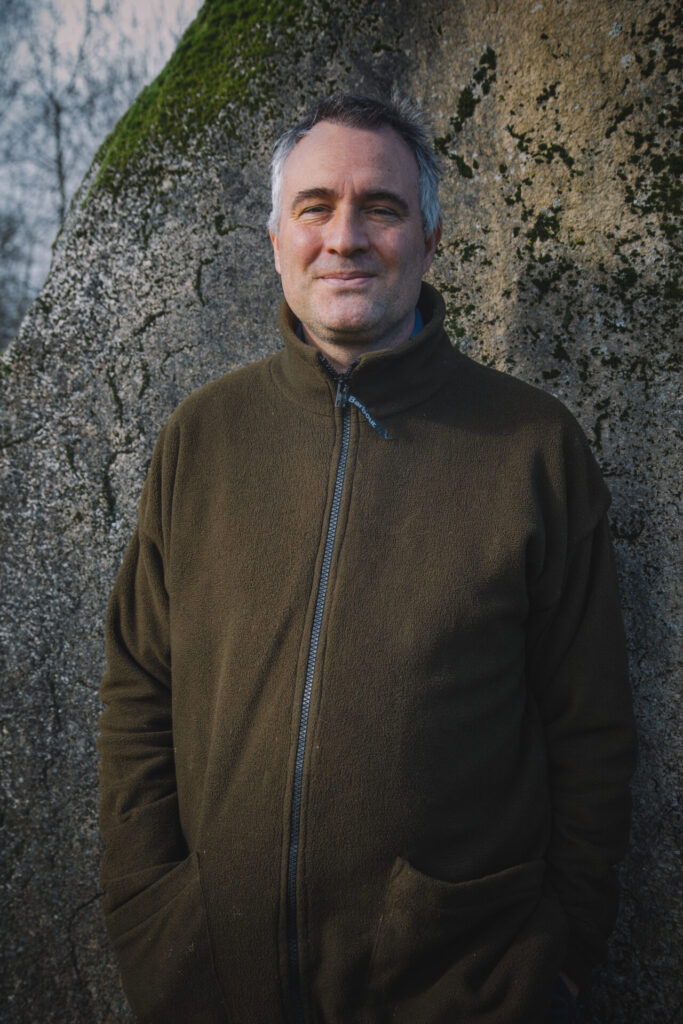
Ben Goldsmith
Chair, Conservation Collective; Trustee, Children’s Investment Fund Foundation
A lifetime championing nature
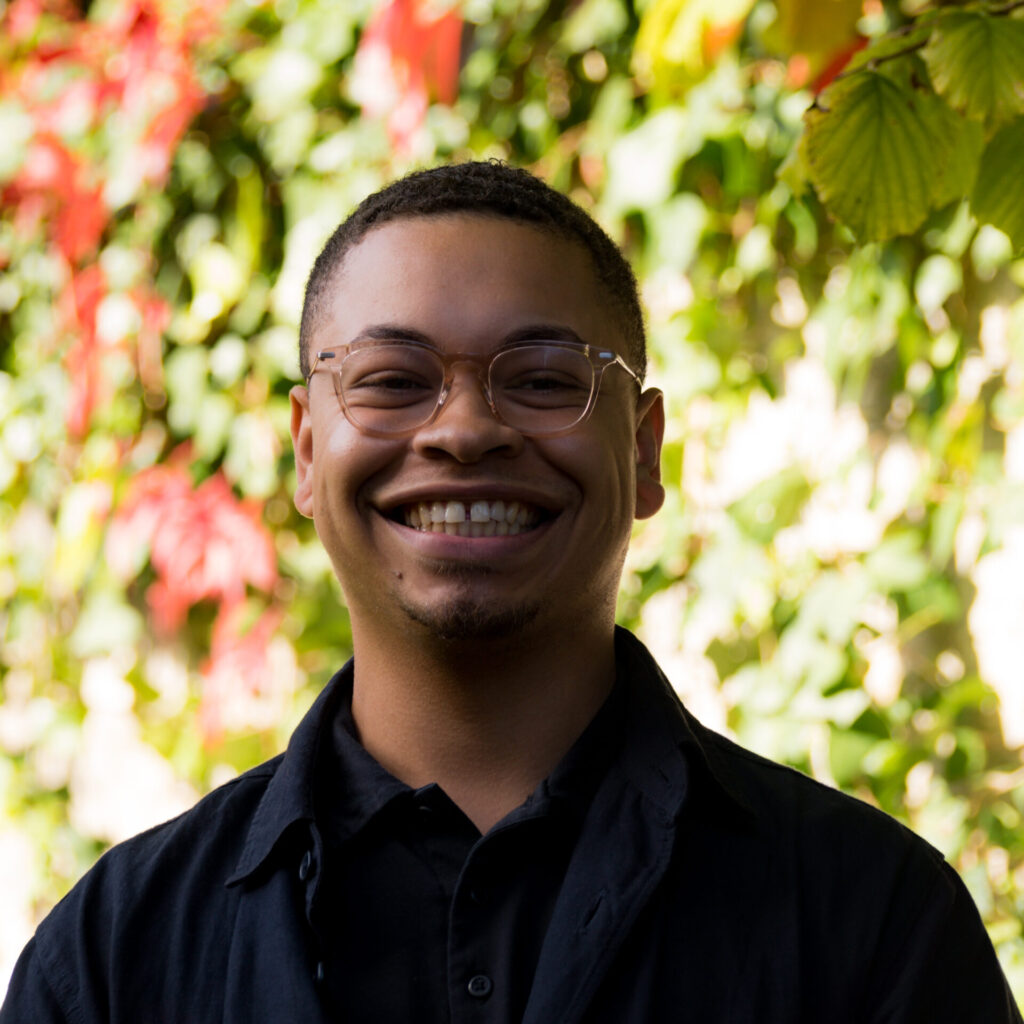
Eli Manderson Evans
CEO, Blagrave Trust
A youth funder recognises the urgent need to address climate change
Leonie Taylor
Trustee, Taylor Family Foundation, and individual donor
A donor faces the origins of her wealth
Sufina Ahmad
Director, John Ellerman Foundation
A foundation shifts from funding individual issues to focus on systemic change
Lauren Gupta & Becky Holmes
Co-founders (with Bill Holmes), The Helvellyn Foundation
Next generation donors with a passion for wildlife and trust in their partners
Sophie & Nick Marple
Co-Founders, Gower Street
A couple deploys their wealth to tackle the climate crisis
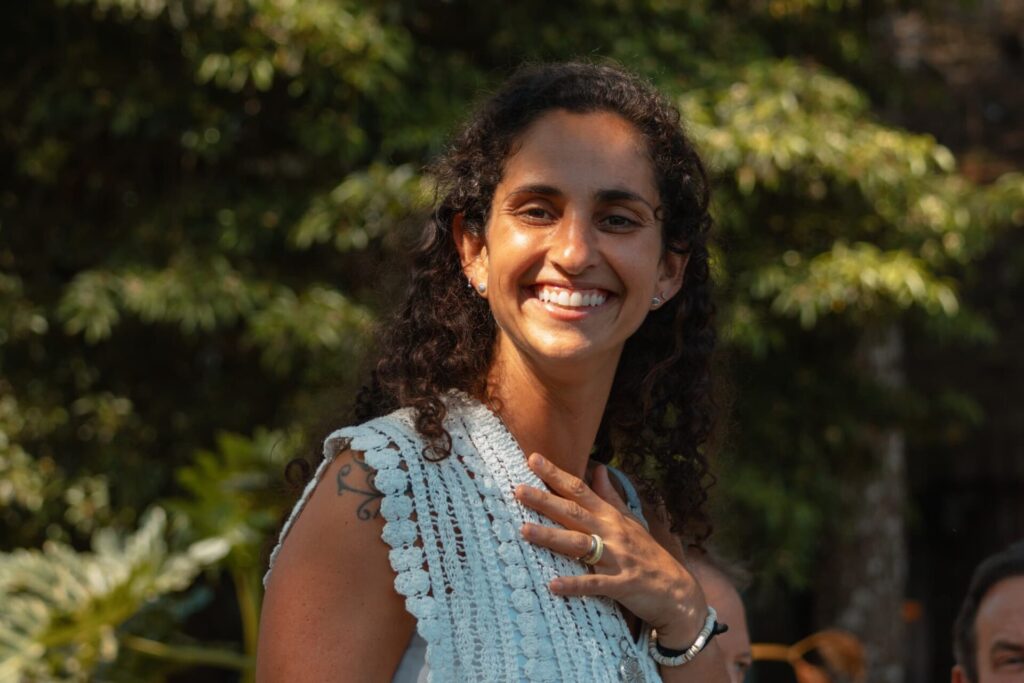
Renata Minerbo
Co-Founder with Seth Tabatznik, Be the Earth Foundation
A family foundation supports the shift to an eco-centric economy
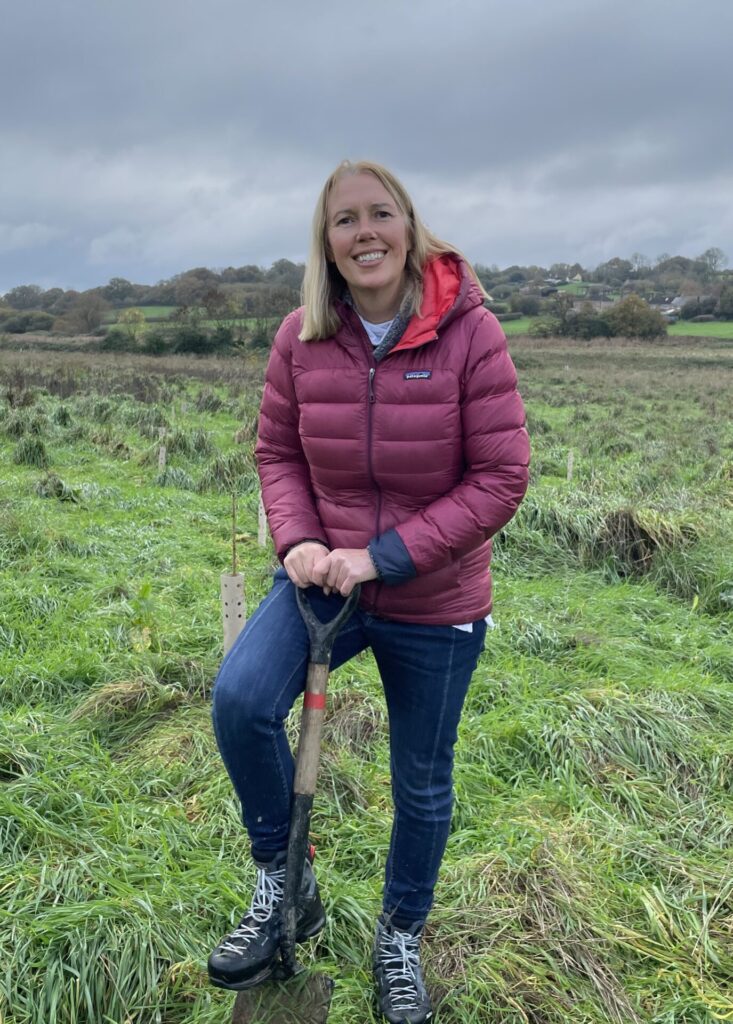
Julia Davies
Founder, We Have The POWER
A donor directs her wealth and legal expertise towards transformative change
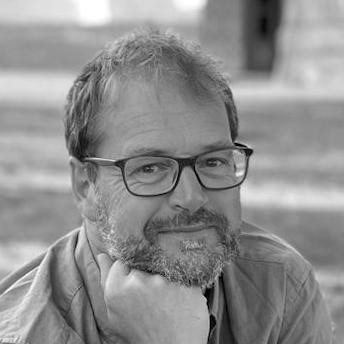
Jon Cracknell
Trust Secretary, The Ecology Trust
A long-time funder shares his reflections on where the environment movement is succeeding and what funders could do differently
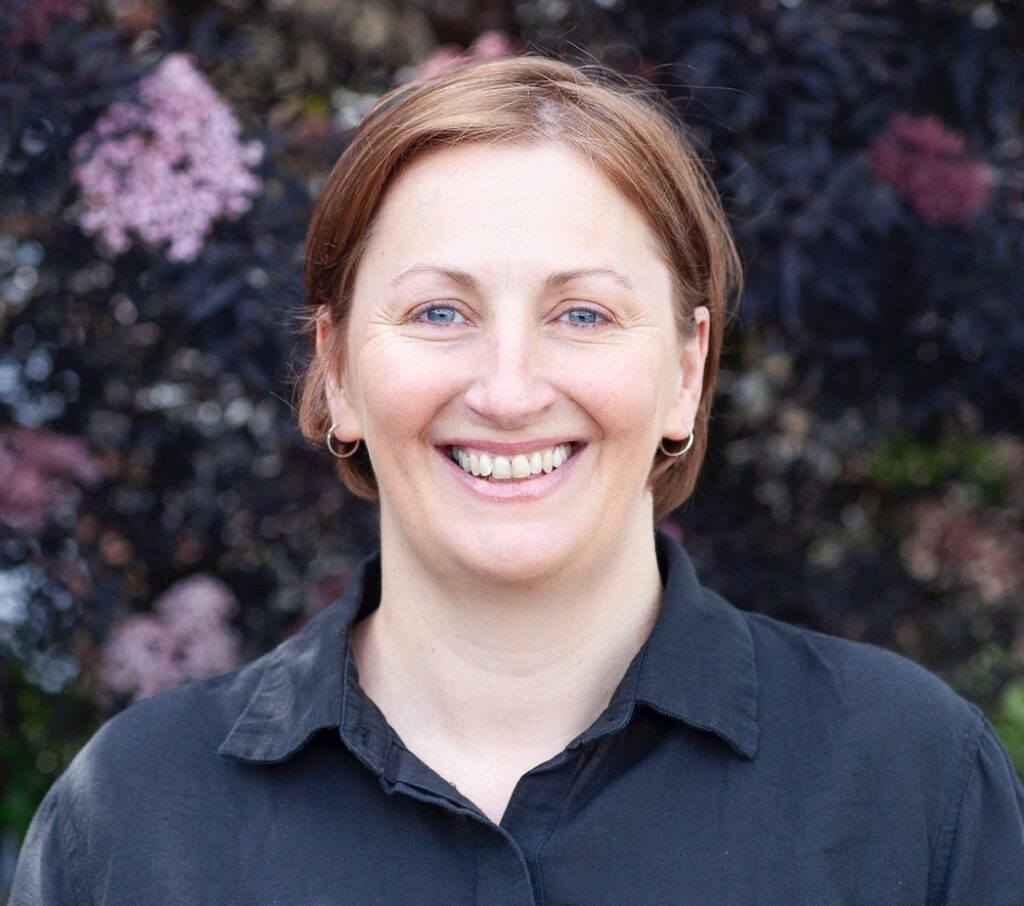
Christine Oliver
Trust Secretary, Polden-Puckham Charitable Foundation
A foundation spends down its funds to meet the challenge of this moment
William Kenyon
Individual donor
A donor realises that funding what he’s passionate about allows him to stick with it for the long-term
Stephanie & Stuart Mills
Co-Founders, Practical Acts
A couple mobilises the spectrum of their wealth to support the environment
Jessica Sweidan
Co-Founder, Synchronicity Earth
A foundation helps other donors protect life on earth