03.
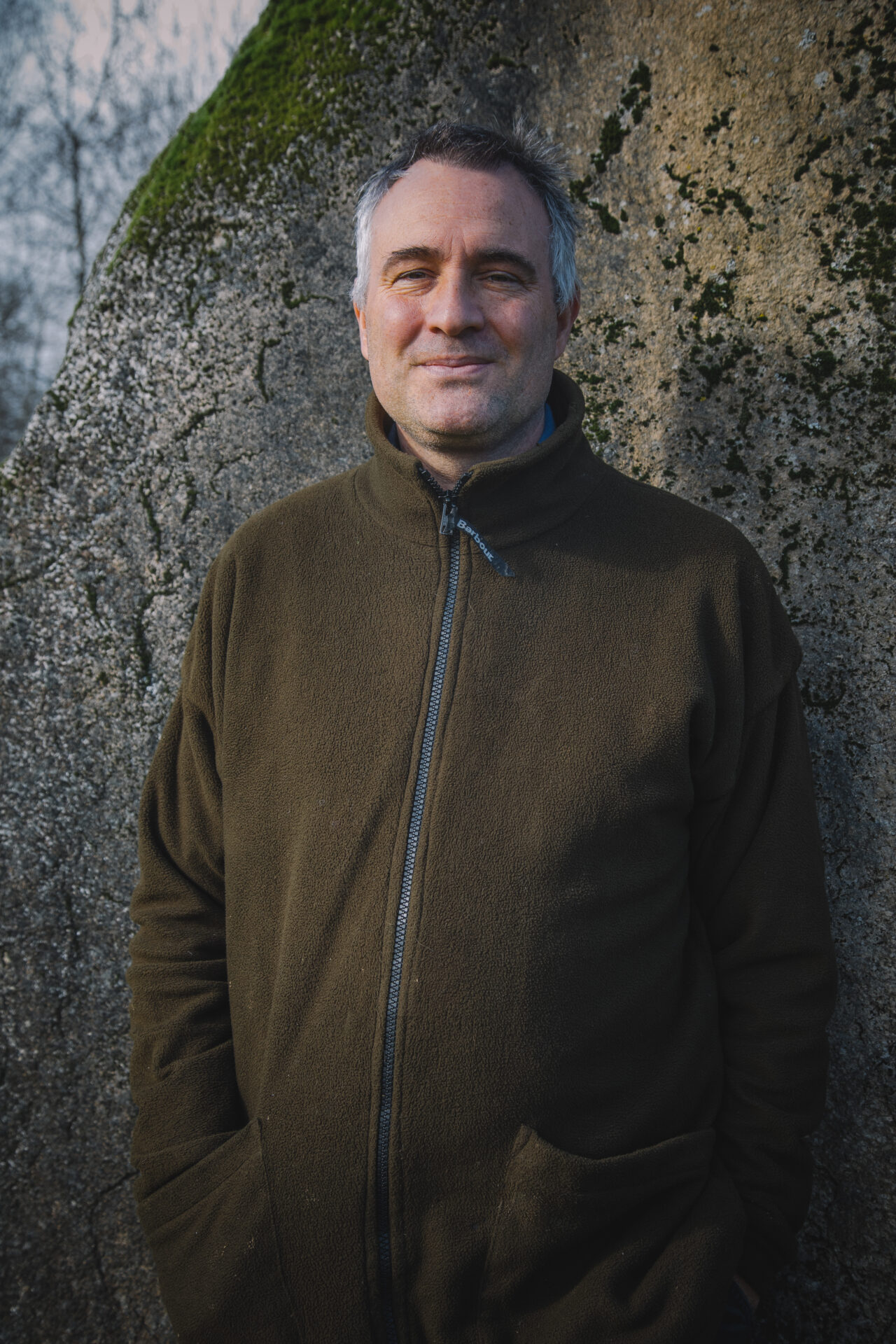
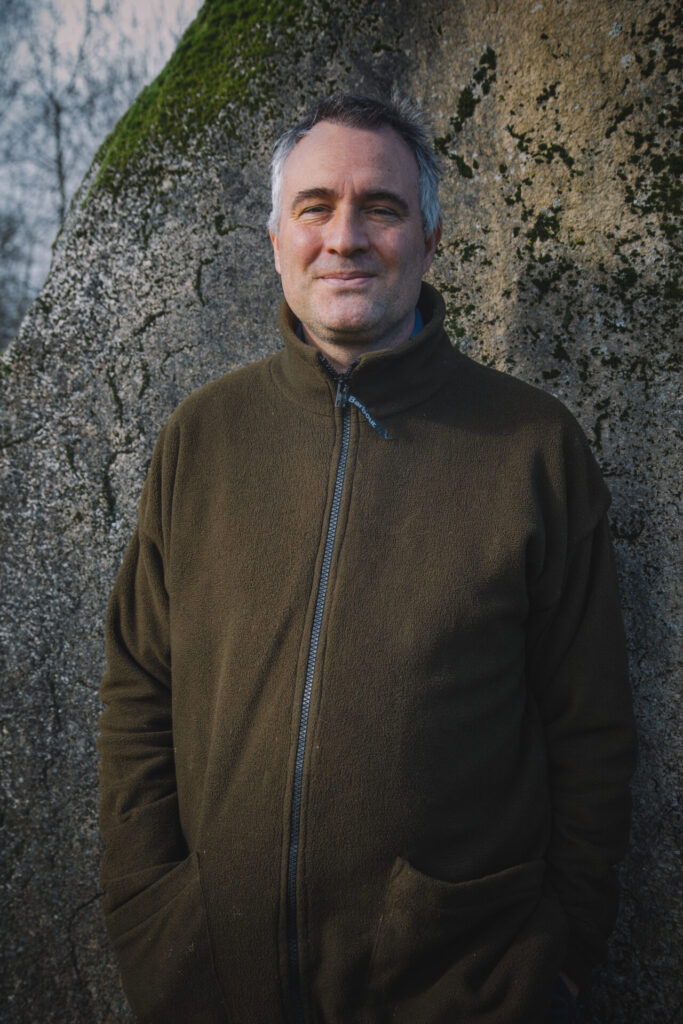
Ben Goldsmith
Chair, Conservation Collective; Trustee, Children’s Investment Fund Foundation
A lifetime championing nature
My greatest passion, since I was a small child, has been the revitalisation of nature. That’s taken me from building ponds, putting up bird boxes and encouraging wildlife into the suburban garden where I grew up, all the way to campaigning today for landscape-scale, connected nature recovery across Britain and beyond.
When I was growing up, I felt we were led to believe that Britain isn’t a place where you can experience wildlife. The sense was that you had to go to Africa or India or the United States if you wanted to see wildlife.
I refused from a very young age to accept that idea. I have always been interested in what we know today as rewilding: the idea of giving space back to nature and allowing ecosystems to recover and flourish.
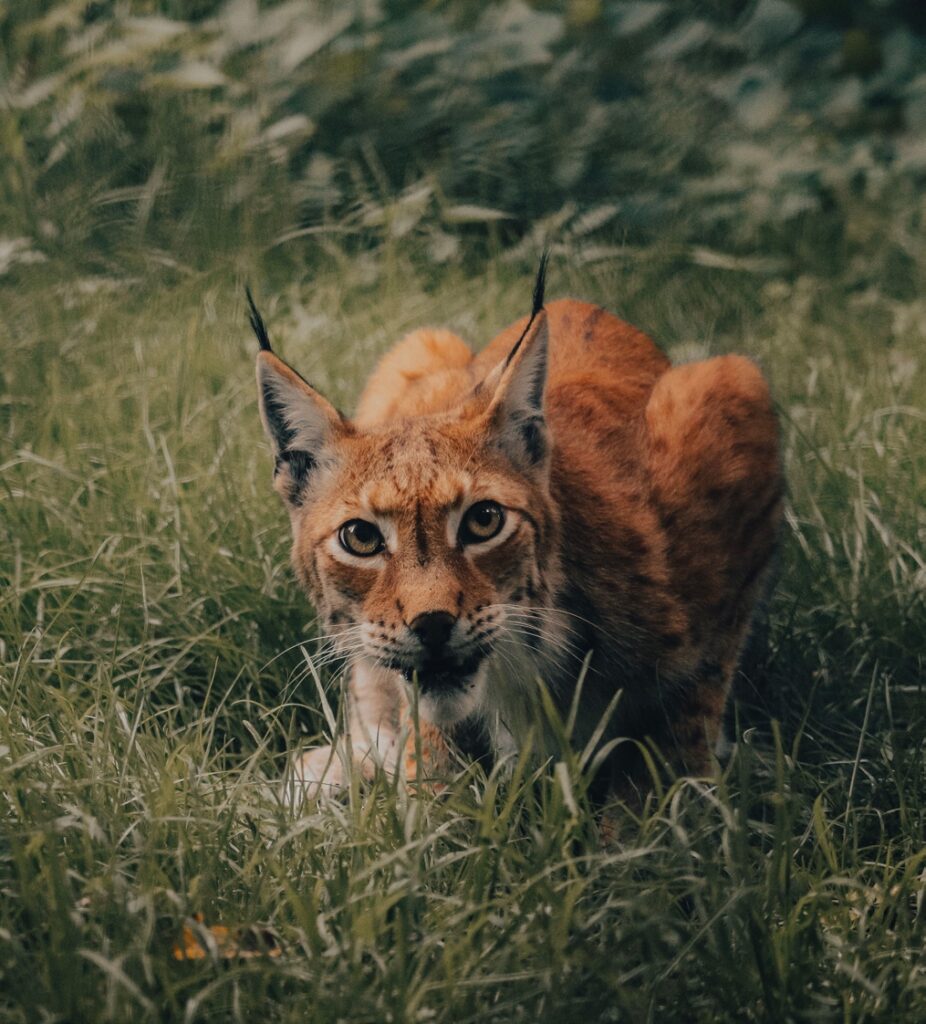
My interest is in restoring nature at scale, and especially in the reintroduction of missing species into landscapes that are undergoing the recovery of nature. There are species which should be playing a vital role in the unfolding of those ecosystems but which are absent and won’t make their own way back here without human help. Many of them used to be abundant here: pine martens, European wildcats, wild boar, European beavers; the list goes on.
I’ve tended towards participating in and supporting cutting-edge efforts and rewilding initiatives that are perhaps a little bit out there in terms of getting things done, rather than being held back by a surfeit of caution.
I read George Monbiot’s book Feral and afterwards met up with him in a pub and was somewhat starstruck. We wondered together how we could turn the book into more than just a call for action and we cooked up an idea for an organisation focused on rewilding. That turned into a lunch with 16 or 18 people, and from that emerged the organisation Rewilding Britain. I’ve never been a trustee or otherwise formally involved but I was glad to be part of its catalysis.
When I was growing up, I felt we were led to believe that Britain isn’t a place where you can experience wildlife. The sense was that you had to go to Africa or India or the United States if you wanted to see wildlife. I refused from a very young age to accept that idea.”
The many hats of a philanthropist: convening, initiating, giving, fundraising and transforming legislation
I’ve played that kind of convening and entrepreneurial role in the establishment of various rewilding and nature-focused organisations. One of those, of course, was the Environmental Funders Network, which I set up with Jon Cracknell and my brother Zac when I was in my 20s; another was the Beaver Trust. I set up the Conservation Collective and the Iris Prize.
I also set up the Conservative Environment Network (CEN) with my brother, with the idea that Conservatives, broadly defined, had lost touch with their roots as conservationists, and without a vibrant discussion on nature and the environment pan-politically, you’re not going to get action. So we decided to set up an environmental voice within the Conservative movement in Britain that would be built along the lines of SERA, the Socialist Environmental Research Association. SERA were very helpful to us in setting up the CEN, and the CEN achieved a series of tremendous results between about 2017 under Theresa May until the end of Boris Johnson in 2022.
We helped secure the Environment Act 2021, the creation of the Office for Environmental Protection, and a number of nature recovery targets enshrined in law and enforceable by the Office for Environmental Protection. We also got the Agriculture Act 2020, which I think is the biggest piece of legislation for nature that we’ve ever had in this country. It phased out all unconditional European Union-style subsidies for farming and replaced them with a scheme of an equivalent size called the Environmental Land Management (ELM) programme.
ELM directly rewards farmers with public money for the stewardship and restoration of nature. There are large areas of the country that are really unproductive agriculturally, and by focusing on nature, farmers can now open up a whole new revenue source. That’s a very powerful incentive to build nature back into our landscapes, and opens up lots of space for species reintroductions.
So I have been serially involved in starting new initiatives, and I have done my best to be useful to the nature and rewilding movement however I can. That has often involved raising money for projects; I’ve become a sort of go-to fundraising guide for anyone who’s looking to pull off a rewilding project of any description in Britain.
In my own right I’m also a philanthropist, so I spend a certain amount of money each year supporting these kinds of initiatives in Britain and to some extent in Europe. A good part of this involves playing a convening role: convening funders, convening different voices within a particular issue with politicians. In fact convening has perhaps been the number one most useful thing I’ve been able to do within the movement, with different ends in mind.
The Conservation Collective is the initiative I’ve started in the philanthropic space that’s taken the most time and effort. The idea was to create a forum in which people can engage philanthropically with the environmental movement. It helps people start giving in a way that’s appealing to them by establishing locally-focused environment foundations because we know that people are keen to support initiatives in the place that they know and love. Everyone has a place that matters to them.
So we’ve established a series of locally-focused environment foundations, from Devon to Mallorca to Sri Lanka. Each one of those is part of a federation of foundations, which we know as the Conservation Collective. We’ve raised £20 million since 2020 in that way, and the money is being distributed via those foundations to grassroots initiatives in each place.
I have done my best to be useful to the nature and rewilding movement however I can… Convening has perhaps been the number one most useful thing I’ve been able to do, with different ends in mind.
I think England more than any other country, is showing the world how a place in which nature was systematically dismantled can rebuild that nature without crushing livelihoods and without creating social upheaval.”
The roles of philanthropy and markets in nature restoration
To go back to the impact of the Environmental Land Management (ELM) scheme: I think England, more than any other country, is showing the world how a place in which nature was systematically dismantled can rebuild that nature without crushing livelihoods and without creating social upheaval.
That’s principally because of this mechanism by which landowners and land managers receive public money. Now, the more things farmers do to restore and protect nature, such as wetland restoration, no-till farming, etc, the more money they get. So farmers are doing as much as they can to restore nature in order to access the grants that they used to get unconditionally under the unconditional EU-style subsidies.
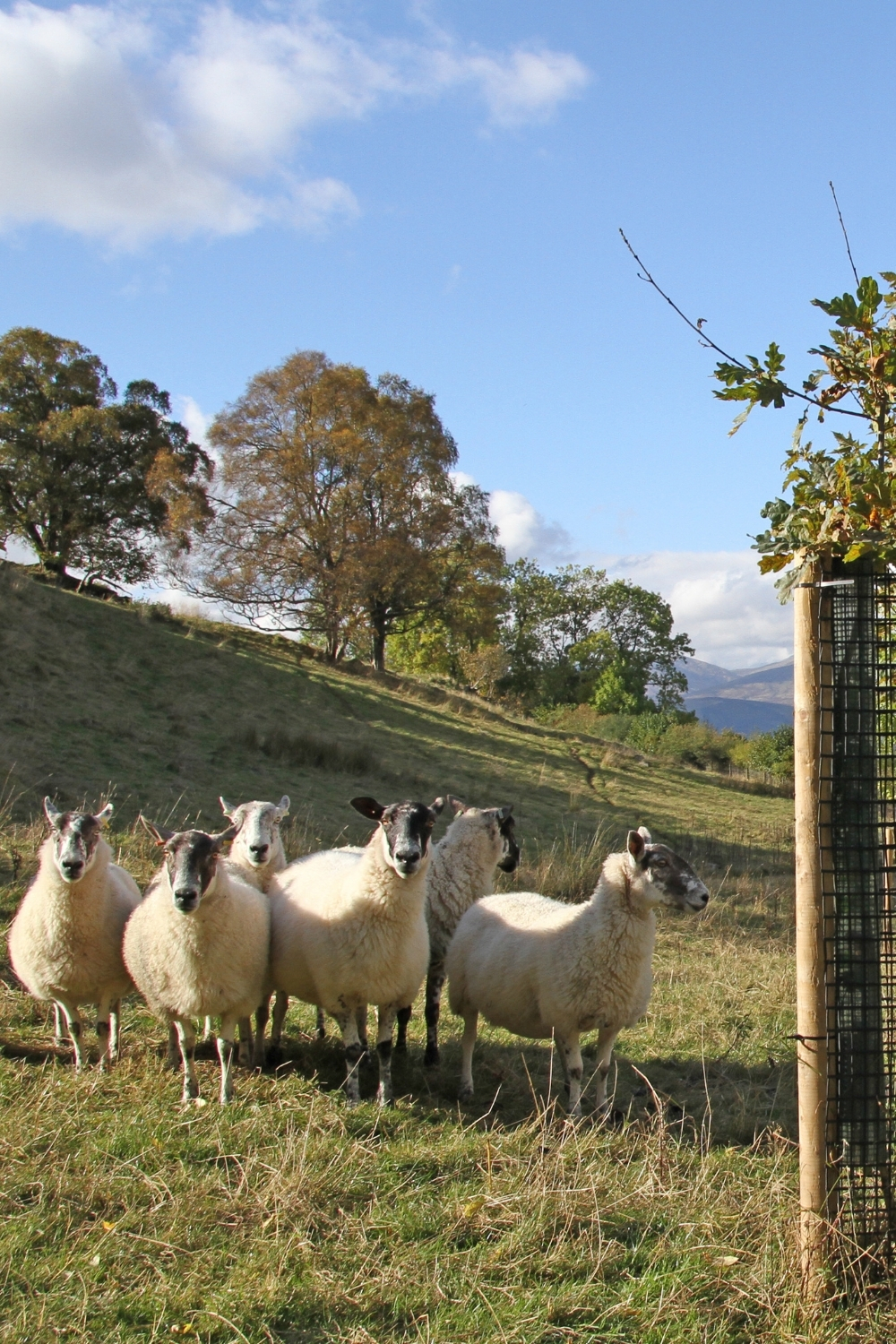
In the wake of ELM, we’ve got a series of publicly and privately funded schemes like nutrient neutrality markets, natural flood management markets, voluntary carbon credits, the regulated Biodiversity Net Gain market. These all incentivise nature recovery and recognise that ecosystems do more for us than provide a space to grow crops intensively, or to graze sheep monoculturally. The economic tailwind behind nature restoration is very, very powerful now. Philanthropy helped get us here, by supporting the organisations that advocated for these policy changes, and the role of philanthropy now is to help organisations overcome what remaining obstacles exist.
That might mean buying land, or convening communities, or advocating for government to create more certainty in some of those schemes, or reintroducing species. Those private market schemes are not going to pay for reintroduction of beavers, wildcats or white storks. That’s going to have to be done through philanthropy. Landscapes without wildlife are just scenery. If we want to restore the complete tapestry as it was and could be, philanthropists have a very important role in doing that.
The leverage effect within nature can be enormous. If you can get a rule changed; or change the way supermarkets consider their procurement; or establish connectivity in the landscape: these interventions often don’t cost that much, and yet they yield tremendous results.”
Nature as source of leverage and inspiration
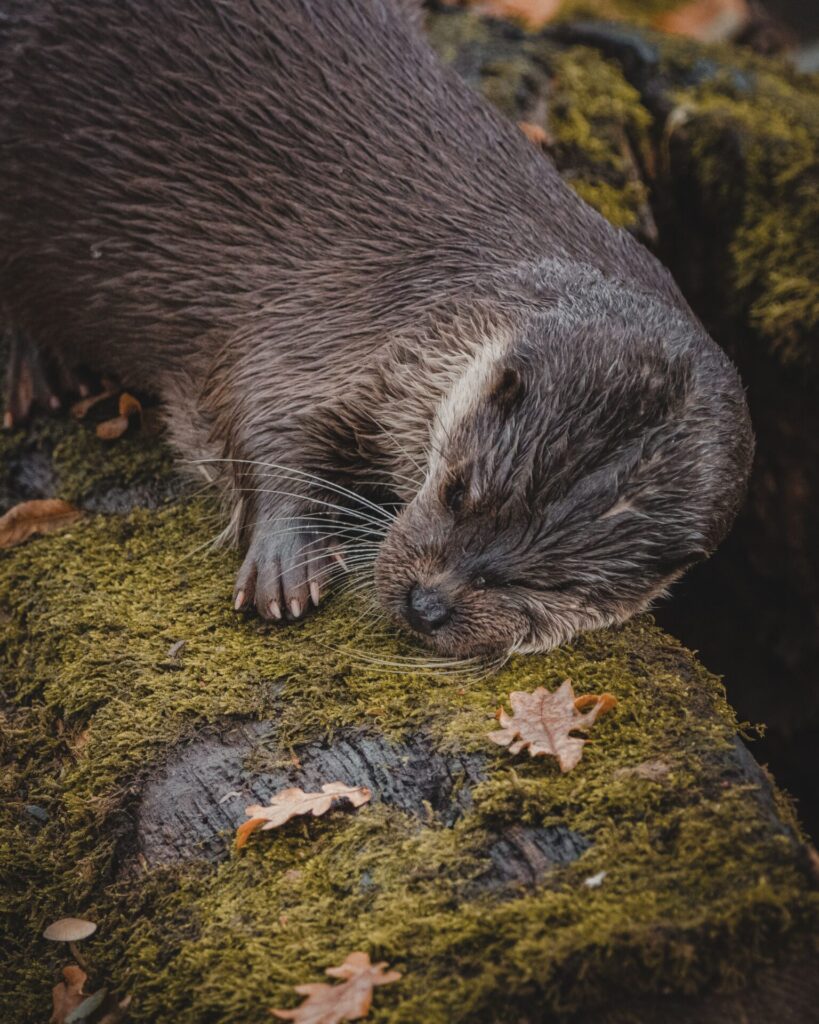
I spend quite a lot of time getting to know philanthropists who have a particular interest in nature, and gently demonstrating to them that they can have enormous fun supporting often grassroots or young initiatives because of this leverage effect within nature. Beavers are a wonderful illustration of this. The cost of putting 25 beavers down in a river system, getting the permit and so on, isn’t very much, and those beavers will multiply and transform that entire river system.
So the leverage effect within nature can be really enormous. If you can get a rule changed; or you can change the incentives around a particular behaviour; or you can change the way a particular set of companies – supermarkets, let’s say – consider their procurement; or you can help unlock a large land purchase by one of the Wildlife Trusts to establish connectivity in the landscape: these interventions often don’t cost that much, and yet they yield tremendous results.
Nature has often been a good conduit into environmental philanthropy. The broader set of questions around the environment can often be quite dry and specialist. There are tonnes of carbon to consider, or forever chemicals, or green versus grey infrastructure, or environmental governance. These things are quite sophisticated topics and thankfully, there is a growing number of funders that have the sophistication to engage with those topics. But for a new philanthropist or a smaller philanthropist who isn’t so experienced, a water vole reintroduction is much more appealing and exciting. It’s relatively easy to jump from being an outdoorsy kind of person who’s done well in business to being an environmental philanthropist supporting nature recovery.
That’s why almost every Friday I take two hours out of my day to walk around the land that I’m rewilding in Somerset with small groups of potential philanthropists, corporate executives, neighbouring farmers or other farm clusters – to demonstrate that nature recovery is really fun and quite easy, because nature does the work itself. And that they can similarly engage with this agenda through their job, through their philanthropy, or through the land that they might already own, for example.
So this is what I do, it’s what I love doing.
Valuing nature
You see these World Economic Forum figures that say 50 percent of global GDP is dependent upon nature. I don’t know where they come up with 50 percent. Quite clearly, 100 percent of what we have, what we do and what we love is part of and dependent upon the natural world. Restoring nature is a solution multiplier. We’ve lost touch with quite how vibrant and abundant nature once was. The enormous flocks of migrating birds, the unfathomably huge shoals of fish, the huge populations of wild mammals. We just can’t get our heads around that, yet it comes back very dramatically and very quickly if we restore it.
There is a huge investment opportunity here for private investors, and we need private investors if we’re going to unlock nature recovery at the scale that is necessary. Philanthropy can’t do the heavy lifting and governments similarly cannot do it themselves.
So how do we get private finance to flow into nature? Well, I think we follow a similar pathway to renewables, which went from being an enthusiast’s game with no serious investors, to where we are today, with renewables being the infrastructure category that’s received more money faster than any category of infrastructure in history. We need to do the same for nature. We need to think of nature, at least on one level, as the mother of all infrastructure and have it financed in the same way that we finance roads, bridges, or public-private hospitals.
The philosophical challenge to all of this is attempting to put a value on something which is inherently beyond valuing. It’s like trying to value the first cuckoo of summer, or the rampant birdsong in spring. How do you value that? I understand that argument, but the fact is, we have been valuing nature in all of our decisions, forever. We’ve just been valuing it at zero until recently. Now, finally, there is a growing recognition of the actual economic value of the things that nature does for us, and that is starting to flow through to meaningful incentives.
Almost every Friday I take two hours out of my day to walk around the land that I’m rewilding in Somerset with small groups of potential philanthropists, corporate executives, neighbouring farmers or other farm clusters – to demonstrate that nature recovery is really fun and quite easy, because nature does the work itself.“
After my father died young, I inherited money, but quite sensibly my mother restricted access to any kind of meaningful amounts until I was much older. But she did allow me to make philanthropic grants.
My first ever grant was a €10,000 grant in 1999 to a campaign in Spain and Portugal called SOS Lynx. The goal of the campaign was to persuade the Spanish and Portuguese governments, and more importantly, the European Commission, to make a serious effort to save the Iberian lynx from extinction. At the time, there were fewer than 60 in the wild; it was the world’s most endangered big cat.
They were successful in galvanising politicians and getting a recovery effort launched, such that today, and many tens of millions of euros later, there are nearly 4,000 lynx in the wild in Spain and Portugal. So that grant of €10,000 to SOS Lynx was a perfect example of tremendous leverage. I felt hugely empowered and hugely grateful to have been able to make that donation at the age of 17. As a first grant, it was a pretty good example of what you can do with a relatively modest sum of money.
If I was advising someone interested in supporting environmental work, firstly I’d say, get out into nature. Rekindle that love of nature that perhaps you left in childhood, because everything flows from that. For me, all of my enthusiasm, all of my energy, all my sense of well-being, all my love for nature, all the motivation to do everything that I do develops while I’m sitting in my place in Somerset, close to nature. If you’re disconnected from nature, motivations come from much shallower sources.
There are so many stories of tremendous nature recovery around the world that people don’t know about. So I started a podcast called ‘Rewilding the World’, and every two weeks, I interview someone for 30 minutes who’s doing something transformational and wonderful somewhere in the world – restoring a species, or a landscape.
I’ve been obsessed with the same theme since I was four years old. I’m just being truer and truer to it with every passing year.
I’ve been obsessed with the same theme since I was four years old. I’m just being truer and truer to it with every passing year.”
Interviews
Nick Oldridge
Individual Donor
A donor sees the need for a different type of climate communications
Sonal Sachdev Patel
CEO, GMSP Foundation
A family supporting the grassroots.
Ben Goldsmith
Chair, Conservation Collective; Trustee, Children’s Investment Fund Foundation
A lifetime championing nature
Eli Manderson Evans
CEO, Blagrave Trust
A youth funder recognises the urgent need to address climate change
Leonie Taylor
Trustee, Taylor Family Foundation, and individual donor
A donor faces the origins of her wealth

Sufina Ahmad
Director, John Ellerman Foundation
A foundation shifts from funding individual issues to focus on systemic change
Lauren Gupta & Becky Holmes
Co-founders (with Bill Holmes), The Helvellyn Foundation
Next generation donors with a passion for wildlife and trust in their partners
Sophie & Nick Marple
Co-Founders, Gower Street
A couple deploys their wealth to tackle the climate crisis
Renata Minerbo
Co-Founder with Seth Tabatznik, Be the Earth Foundation
A family foundation supports the shift to an eco-centric economy
Julia Davies
Founder, We Have The POWER
A donor directs her wealth and legal expertise towards transformative change
Jon Cracknell
Trust Secretary, The Ecology Trust
A long-time funder shares his reflections on where the environment movement is succeeding and what funders could do differently
Christine Oliver
Trust Secretary, Polden-Puckham Charitable Foundation
A foundation spends down its funds to meet the challenge of this moment
William Kenyon
Individual donor
A donor realises that funding what he’s passionate about allows him to stick with it for the long-term
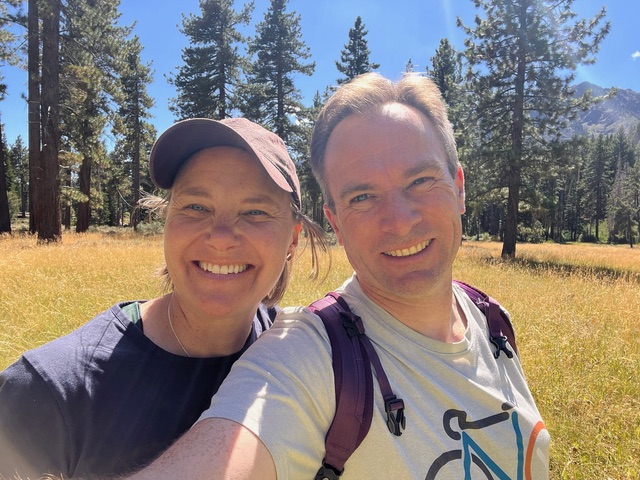
Stephanie & Stuart Mills
Co-Founders, Practical Acts
A couple mobilises the spectrum of their wealth to support the environment
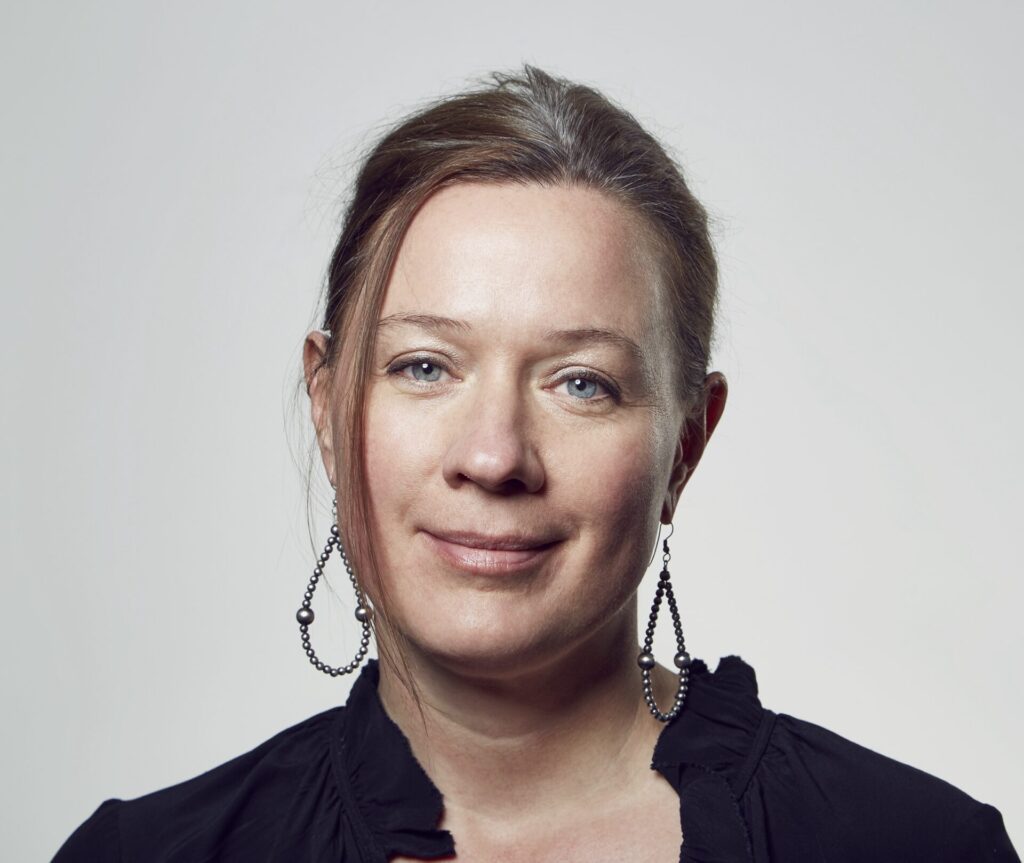
Jessica Sweidan
Co-Founder, Synchronicity Earth
A foundation helps other donors protect life on earth