04.
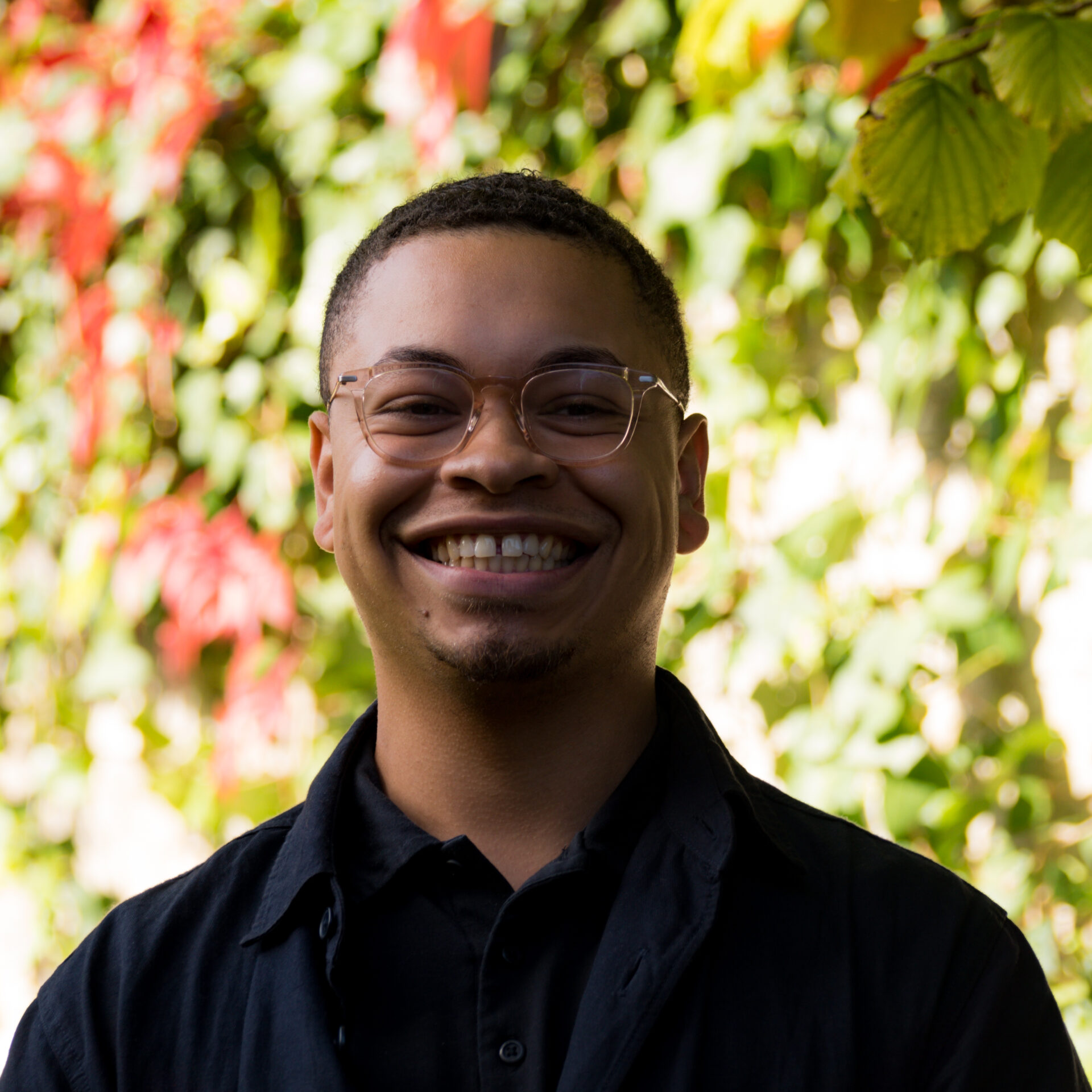
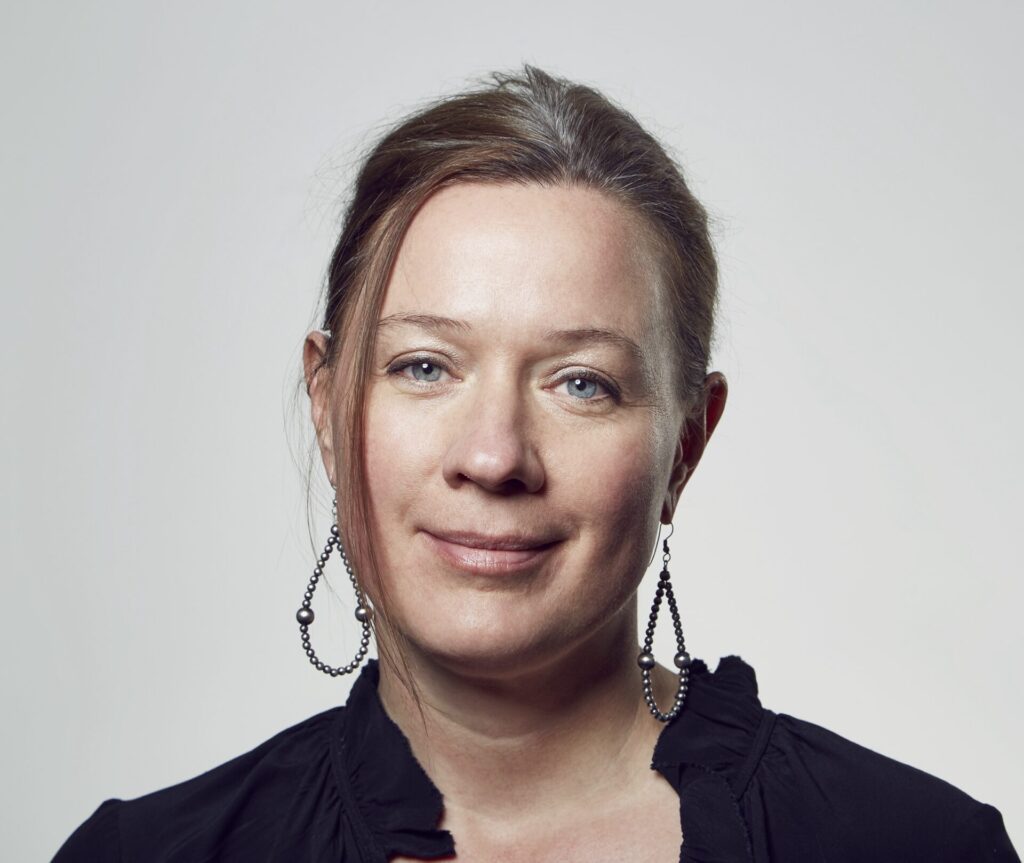
Eli Manderson Evans
CEO, Blagrave Trust
A youth funder recognises the urgent need to address climate change
I’m a proud Northerner now living down south, with a background in campaigning and organising around justice-led issues. I’ve always been fascinated by power: how it operates, and how it connects struggles that are often treated separately. When I joined Blagrave Trust, I had a history of studying human rights, working on queer rights in West Africa and setting up a hyperlocal climate initiative in Stratford East London.
All of these roles clarified how I could use my position to support movements that mattered deeply to me. I also worked at the philanthropy consultancy Ten Years’ Time, where I was a researcher for the publication ‘Climate Change and Social Change: How Funders Can Act on Both’. Climate change had always been there in the background for me, especially through time spent in Jamaica, where my mum’s family is from, and where I saw its impacts firsthand. But working on that publication crystallised it for me. Until then, much of the climate movement had felt exclusionary: it didn’t look like me, didn’t speak to intersecting injustices, and too often ignored power. Climate justice offered a different vision: one that confronted racism, ableism and inequality rather than reproducing them.
Climate justice offered a different vision: one that confronted racism, ableism and inequality rather than reproducing them.”
Leading Blagrave Trust
At the Blagrave Trust, our mission is to bring lasting change to the lives of young people facing significant challenges in terms of social injustice, and enable them to make positive transitions to adulthood. That’s a relatively recent mission, developed since we sold the founding family’s estate and created a bigger endowment.
One of the key drivers of that shift was bringing younger people onto our board, which has made the board of trustees look quite different from other boards in the sector. The world of trusts and foundations is not very diverse, not just in terms of race, but also in terms of people’s careers, their class. That can result in very different types of conversations taking place at the board level versus the ones happening on the staff team or with grant partners.
We are not perfect, and we only move so fast as a trust, but I think we do a really good job of bringing in the voices of folks that have experience of creating change and the realities of the unjust systems we are working to address.
We focus on youth-led change, and the trust is something of a seed funder. We fund ideas, initiatives, organisations, collectives that may struggle to engage with funding elsewhere, because they’re seen as too risky, or they’ve not held grants of a certain level before. In 2019, we started to really focus on young people with experience of social injustice – from working class backgrounds, young people of colour, disabled people, queer people. We wanted to make sure that they have the agency, skills, trust and backing to develop work that addresses their lived realities.
We also fund more established youth organisations to better centre young people in their work. We tend to offer flexible, multi-year funding and we pride ourselves on being a really relational funder. We want to be as useful as possible to our grant partners, learning what their needs are and connecting them up to others who can support them. In particular we have expertise around safeguarding for young people and we can provide a lot of support on that.
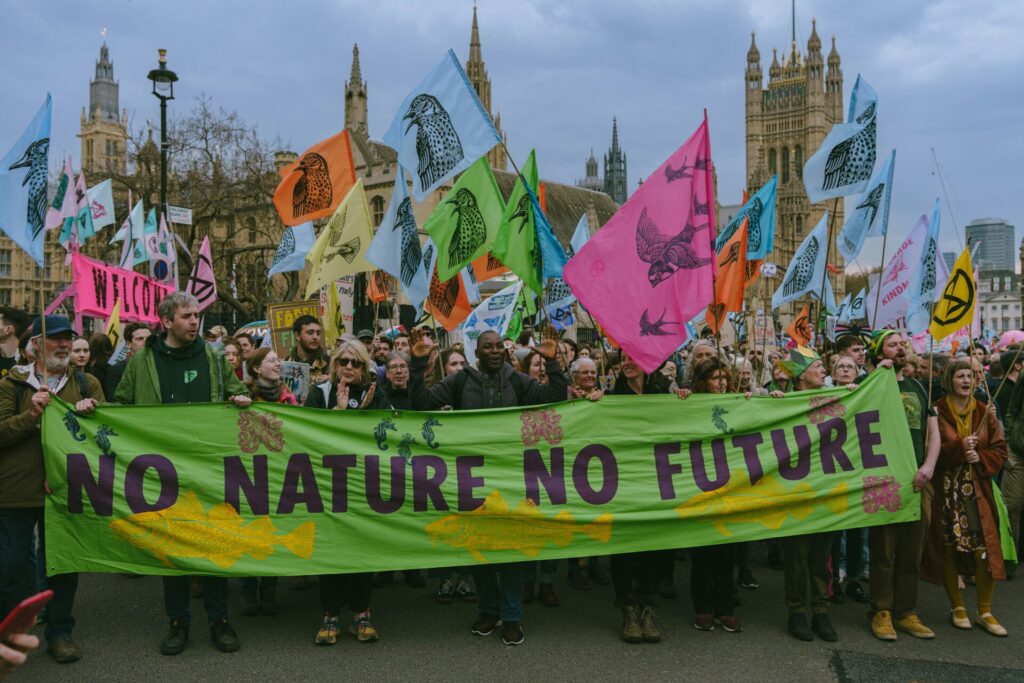
It was clearly a social justice strategy, and I thought, ‘Well, where’s climate, then?’ Climate change is at the heart of social justice.”
Bringing a climate lens
I joined the Trust in 2022, when the new strategy was not yet six months old. It was clearly a social justice strategy, and I thought, ‘Well, where’s climate, then?’ Climate change is at the heart of social justice. So few funders were funding at the intersection of young people and climate, and there was an opportunity to develop a clearer identity along those lines.
We turned to Impatience Earth, which offers pro bono support to help funders develop their climate strategies. They produced a climate justice audit for Blagrave, looking at where our money was going and what the opportunities were for us. That process really helped highlight that the climate breakdown doesn’t affect us all equally; it’s those who are most vulnerable in society who are most vulnerable to its effects.
Through Impatience Earth, we started to plan ways that we could collaborate with aligned funders to create a bespoke fund that addressed the urgency of the moment, as well as the fact that so little money was going to young people to work on climate in the UK. That process helped us develop the case for more funders to step into the ring – to overcome the default positioning of, ‘We’re an X/Y/Z funder, we haven’t got space in our portfolios for climate grants.’
We knew that we weren’t big enough to fund this work on our own, and also that our expertise is in funding young people, not climate. We recognised that working collaboratively with a group of funders would give us all more confidence to lift our heads above the parapet on climate. But while we built those relationships, we went ahead and developed our Climate Justice Accelerator, which supports young change makers with the funds that can help incubate their work and make it ready for larger sources of funding. Through that accelerator, we funded Youngwilders, UK Youth Climate Coalition, Fossil Free Pride, Grow to Know – brilliant organisations.
Collaboration between funders can be incredibly powerful. Together we don’t just bring money, but expertise in funding; the impact of joined up communications; the ability to influence other funders; access to networks – it all makes us greater than the sum of our parts.”
Roots & Routes Fund
Building on what we learnt through the Accelerator, we then created the Roots & Routes Fund alongside the Co-op Foundation, Energy Saving Trust and Ovo Foundation, with Impatience Earth playing a convening role. The idea is that we incubate the fund at Blagrave but that it will eventually spin out as an independent fund with youth governance at the heart of it.
The Roots & Routes fund has just given out its first round of funding. At the heart of the fund is a focus on accessibility. We scrapped the usual Stage Two of the application process, inviting people to submit a video instead. The aim is to fund both individuals and organisations working on some aspects of climate justice. We want to fund infrastructure, too: the organisations that support climate justice-focused change-makers and movements. That’s Blagrave’s approach; we try to fund the full ecosystem.
Collaboration between funders can be incredibly powerful. Together we don’t just bring money, but expertise in funding; the impact of joined-up communications; the ability to influence other funders; access to networks – it all makes us greater than the sum of our parts.
The way our organisations tend to be structured makes it quite hard to work collaboratively sometimes – it can be like we’re oil tankers locked into a route. But that’s a challenge we embrace, and we’re much more confident in sitting with the discomfort and uncertainty of it now. We need to balance the urgency of getting the money out with the need to build trust within the partnership, whilst also honouring our organisational priorities and strategies. But it feels worth it. We recognise that it might take a few iterations to get it right, but that shouldn’t stop us from trying, and making mistakes, as long as we own them and learn from them.
You’ll soon see a lot of learning shared; we think it’s really important to share so that funders don’t have to repeat steps one to three, and could maybe jump in at a different level with those insights.
For us, a big goal is to help other funders to see how supporting climate justice work that is led by those with lived experience of injustice is really impactful. There is much more scope to support people from underrepresented backgrounds to lead.
We’re very aware of the power we hold as funders. We know it can distort relationships and movements and that the funding we’re able to offer can add to the competitiveness of the space. We try to mitigate that by growing the amount of resource we have, working in partnership with other funders that are doing aligned work as much as possible.
It’s also about honouring the different types of value we have: as funders, we have money, but we don’t necessarily have the understanding of how to create the change. We see it as a true partnership: young people are experts in their lived experience, and we need to give that autonomy and space for them to lead how they see fit.

One of the board’s roles is to consider risk in all its forms, so when you start to see climate as a risk – and not acting on it as a risk – it helps reshape the conversation in a helpful way.“
How do you create change in this institution that is locked into the status quo? That is a product of extreme wealth accumulation, and is trying to address the very systems that it grew out of?”
What it’s like working in a funder organisation for the first time
This is my first role in a funder organisation and it was a bit of a culture shock to me in lots of ways. How do you create change in this institution that is locked into the status quo? That is a product of extreme wealth accumulation, and is trying to address the very systems that it grew out of?
One of the biggest learnings for me is the culture change that’s required to do the work. That takes time: there’s a learning curve. Coming from a deep understanding of justice work, of injustice and the need for systems change, I came in thinking that everyone gets that climate is a core part of all this work, and not everyone did. That felt frustrating at times. We have to keep going back to why this is core to our work. There’s work that needs to be done on a personal level and an organisational level; we need to create the opportunities for folks to learn how climate is central to justice.
Impatience Earth has been fantastic in that regard: they essentially give you extra capacity, in terms of expertise and creating a light-touch process to help everyone understand why climate is part of the work. In particular, they helped me understand that the real risk of climate work is in not acting: in not bringing climate in as a core component of our offering.
At the board level, there are a lot of necessary processes and things that you have to cover that can take you away from the core of why you exist. But that conversation about the risks of not acting on climate change – that can really jerk you back to the crux of why we’re here. One of the board’s roles is to consider risk in all its forms, so when you start to see climate as a risk – and not acting on it as a risk – it helps reshape the conversation in a helpful way.
Being a good ancestor
I talk a lot at Blagrave about what it means to be a good ancestor, about future generations thinking. Foundations often have the luxury of thinking in much longer terms than organisations that don’t have their own funding resource, but generally we do a pretty rubbish job of thinking about what the world is going to look like in 100 years, and what we will have done to help the planet out. How we honour the needs of future generations, as custodians of great resource, is a big part of our new strategy.
Some of that relates to grantmaking, but it also relates to our investments. We’re part of the Endowment Investment Challenge (previously the ESG Olympics), which is about reducing the harm of our investments and also driving forward alternative practices that can centre positive impact and hold the investment world to account. In other words, if you’re stewarding our money, you have to work to our set of values – which is not something that the asset management industry is perhaps used to. We’ve worked closely with Friends Provident Foundation on creating this latest initiative, alongside others like the Cripplegate Foundation, and we’ve brought in a future generations panel of young people to inform our investment priorities.
We don’t necessarily believe foundations should exist in perpetuity. If the world’s on fire now, and our assets are sitting high and dry now, knowing that the global economy is probably not going to be able to sustain the level of return we’ve been used to… Should Blagrave be around forever? There’s a lot of scope to look in the mirror as the foundation sector.
Foundations often have the luxury of thinking in much longer terms than other organisations. But we do a pretty rubbish job of thinking what the world is going to look like in 100 years, and what we will have done to help the planet out.”
Interviews
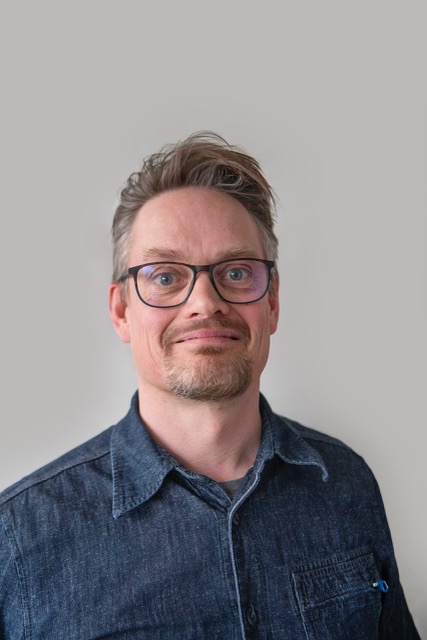
Nick Oldridge
Individual Donor
A donor sees the need for a different type of climate communications
Sonal Sachdev Patel
CEO, GMSP Foundation
A family supporting the grassroots.
Ben Goldsmith
Chair, Conservation Collective; Trustee, Children’s Investment Fund Foundation
A lifetime championing nature
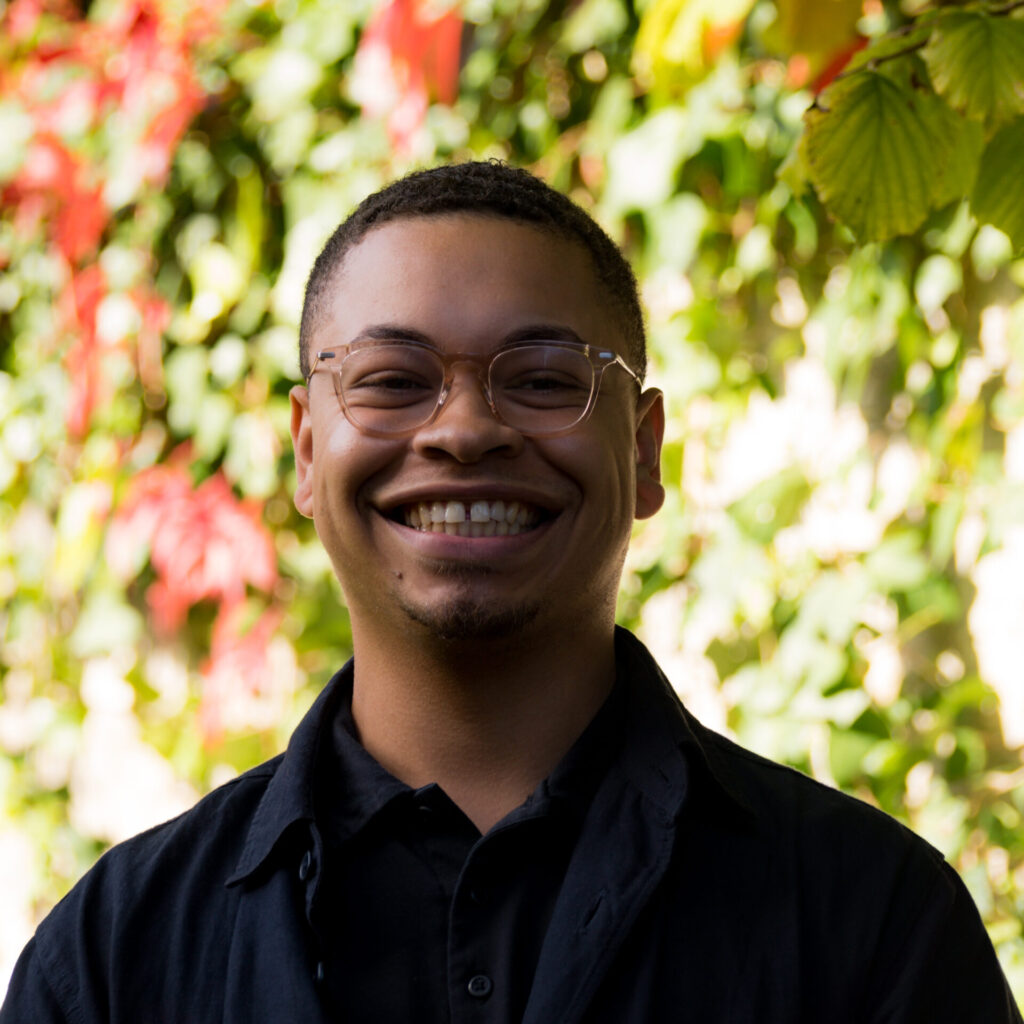
Eli Manderson Evans
CEO, Blagrave Trust
A youth funder recognises the urgent need to address climate change
Leonie Taylor
Trustee, Taylor Family Foundation, and individual donor
A donor faces the origins of her wealth
Sufina Ahmad
Director, John Ellerman Foundation
A foundation shifts from funding individual issues to focus on systemic change
Lauren Gupta & Becky Holmes
Co-founders (with Bill Holmes), The Helvellyn Foundation
Next generation donors with a passion for wildlife and trust in their partners
Sophie & Nick Marple
Co-Founders, Gower Street
A couple deploys their wealth to tackle the climate crisis
Renata Minerbo
Co-Founder with Seth Tabatznik, Be the Earth Foundation
A family foundation supports the shift to an eco-centric economy
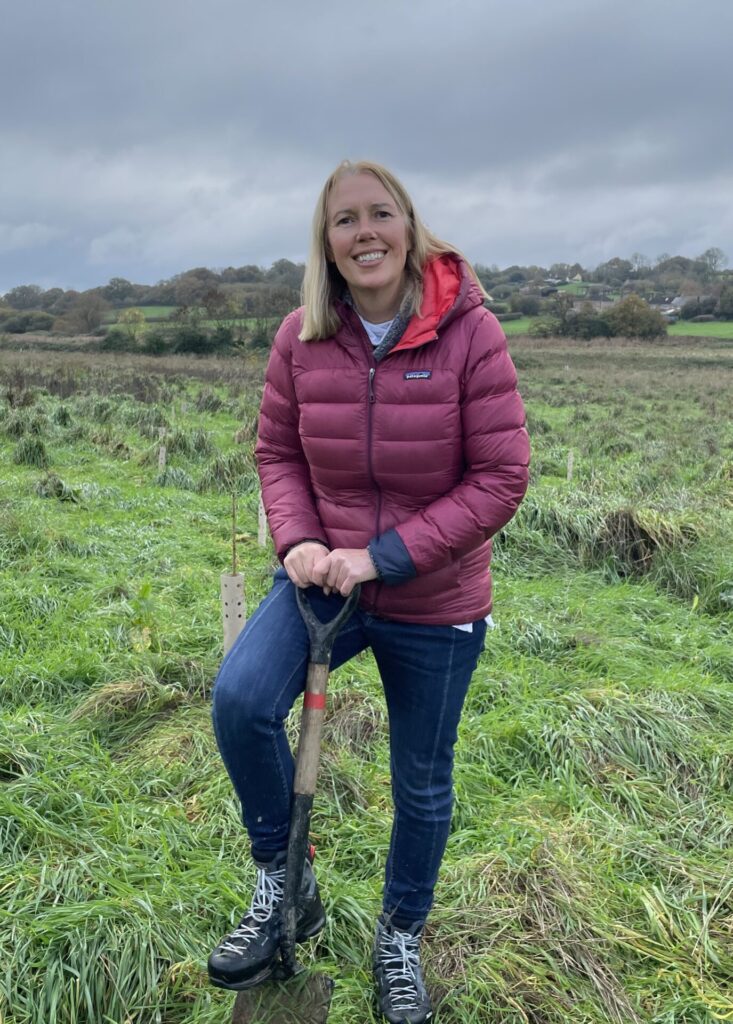
Julia Davies
Founder, We Have The POWER
A donor directs her wealth and legal expertise towards transformative change
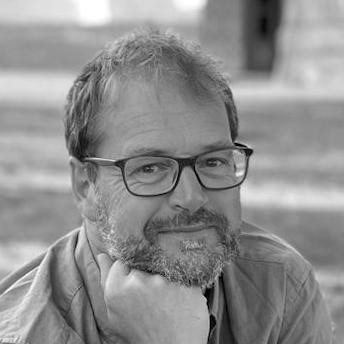
Jon Cracknell
Trust Secretary, The Ecology Trust
A long-time funder shares his reflections on where the environment movement is succeeding and what funders could do differently
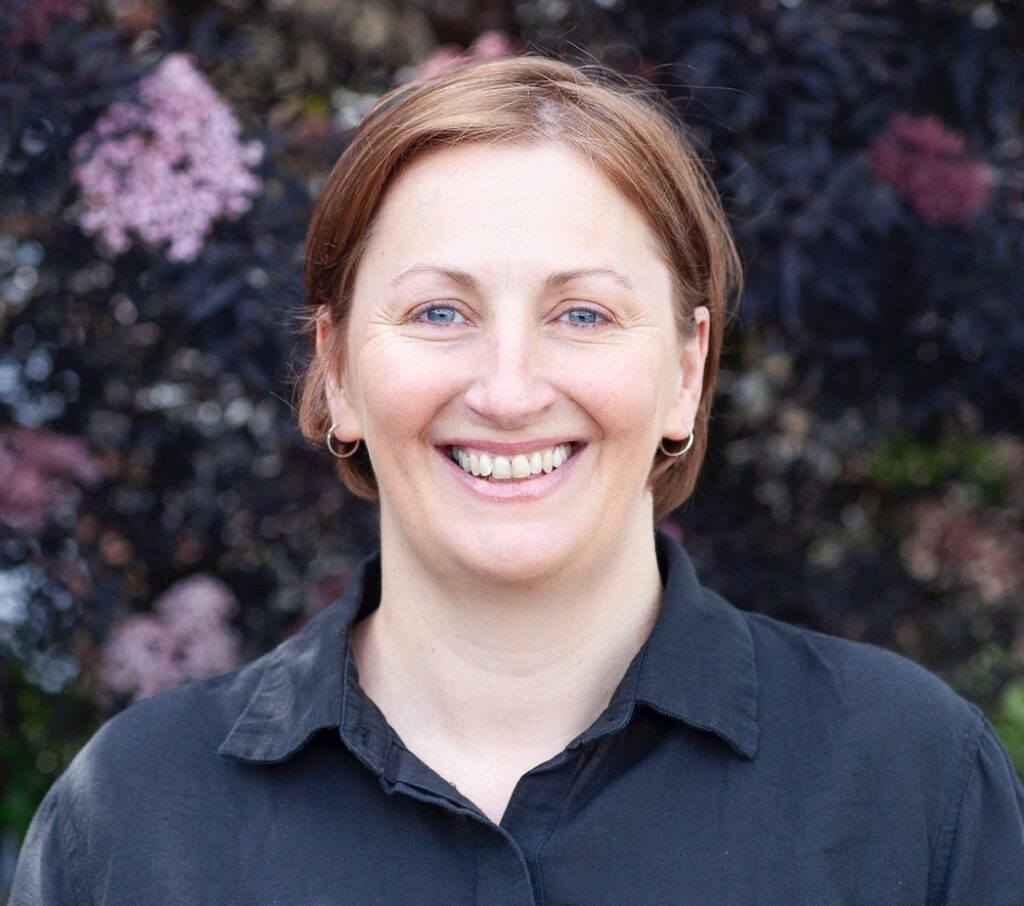
Christine Oliver
Trust Secretary, Polden-Puckham Charitable Foundation
A foundation spends down its funds to meet the challenge of this moment

William Kenyon
Individual donor
A donor realises that funding what he’s passionate about allows him to stick with it for the long-term
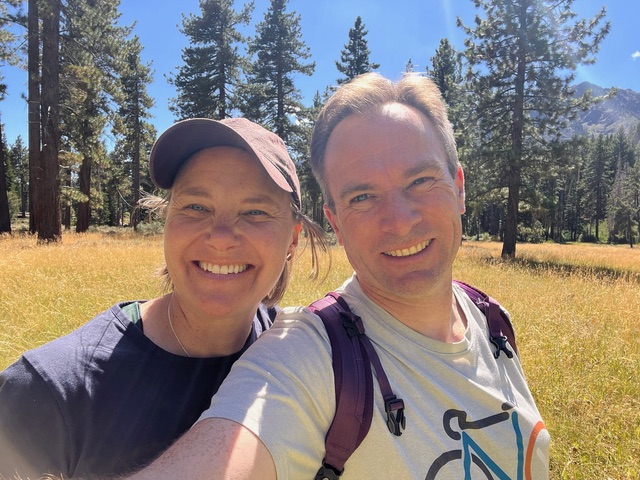
Stephanie & Stuart Mills
Co-Founders, Practical Acts
A couple mobilises the spectrum of their wealth to support the environment
Jessica Sweidan
Co-Founder, Synchronicity Earth
A foundation helps other donors protect life on earth