07.
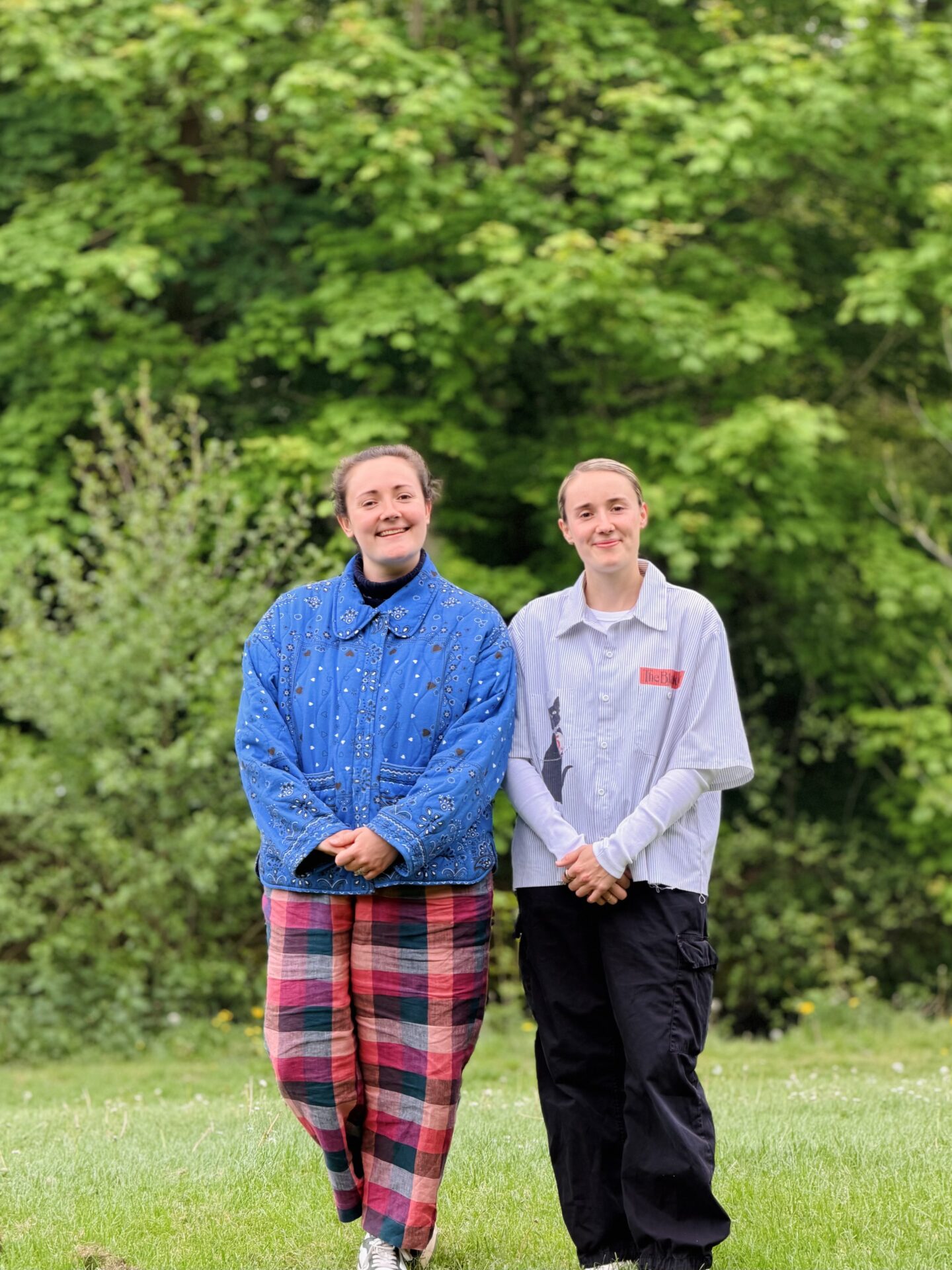
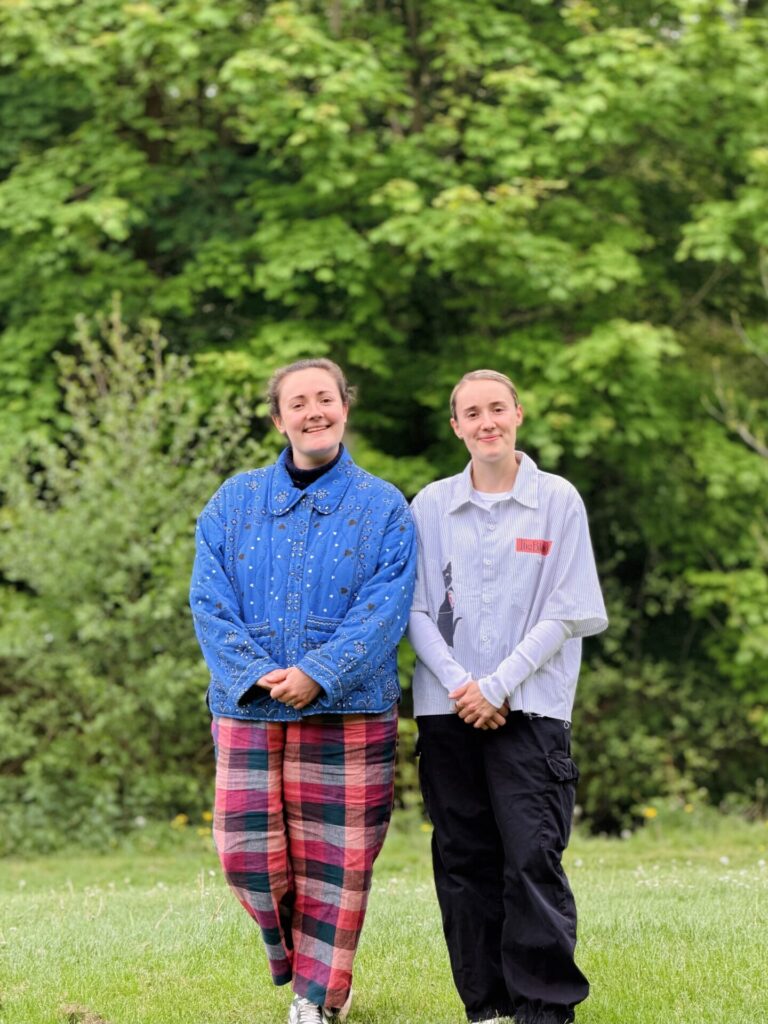
Lauren Gupta & Becky Holmes
Co-founders (with Bill Holmes), The Helvellyn Foundation
Next generation donors with a passion for wildlife and trust in their partners
It becomes incredibly difficult to solve a crisis like homelessness if the forests around the city are burning or sea levels are rising … It’s the issue that underpins all other causes.”
Lauren: Becky, our dad and I set up The Helvellyn Foundation in 2020. By 2023, our awareness of the environmental crisis had increased to the point that we decided to focus it purely on biodiversity.
Becky: We felt that while there are so many vital charitable causes you can support, a healthy environment is the foundation they all rely on. It becomes incredibly difficult to solve a crisis like homelessness if the forests around the city are burning or sea levels are rising… It’s the issue that underpins all other causes.
When we set up the foundation, I didn’t really know what a foundation was. I didn’t know what philanthropy was, beyond the fact that Leonardo DiCaprio and Bill Gates were philanthropists. I had absolutely no exposure to that world, because while we grew up in privilege, we didn’t grow up with the kind of privilege where people give tens or hundreds of thousands of pounds to charity. The whole thing was completely new to us. All the learning we did was through talking to other donors – we spoke to some really impressive people, which I’m forever grateful for because they are why we’re the type of funders we are now.
What got you interested in environmental issues in the first place?
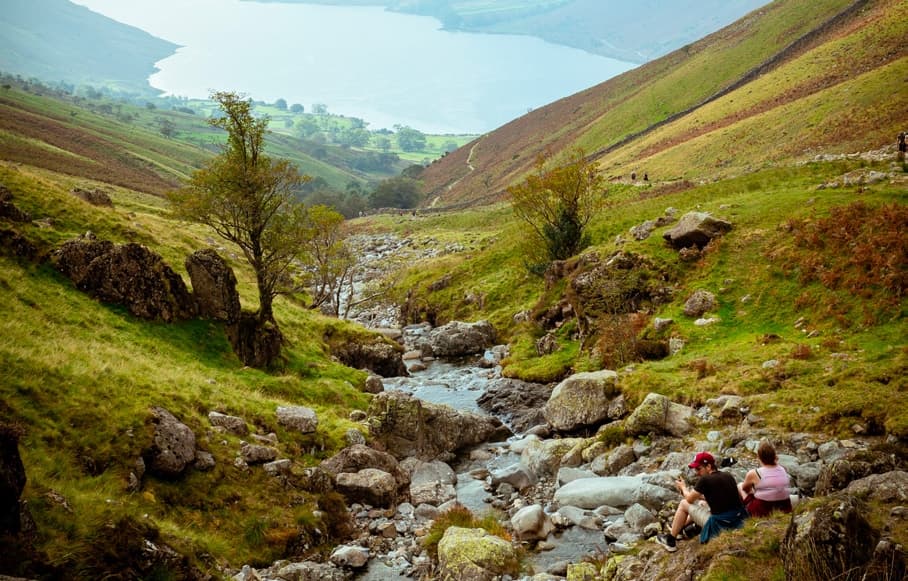
Becky: It goes back to our childhood. We were fortunate that we had very outdoorsy families. One set of grandparents lived in the Lake District – and we would go up there every other weekend and go hiking or play in the garden – and the others lived on the east coast of Scotland.
Lauren: We had cousins who were similar ages to us. Whenever we were together, we had this whole imaginary world of nature reserves in our family’s gardens. We’d rescue imaginary animals, and do pretend operations to mend their broken legs.
All the learning we did was through
talking to other donors – we spoke to
some really impressive people, which
I’m forever grateful for because they
are why we’re the type of funders
we are now.”
How do you go from that innate love of nature to deciding what to give to? What guides your choices?
Becky: When we first started to look for biodiversity work to fund, I looked at the IUCN Red List and tried to find species that were on the brink of extinction. Once we’d found those species, we searched for charities that worked to protect them. We’d learn all about who those charities work with, who their leaders are, how experienced they are, etc.
As time has gone on, we have got to know more about the environment sector, and now we can lean into our networks. When we come across a charity, chances are we’ll know someone who knows someone who works there, or has worked with them, or will have an opinion of them.
We have quite specific things that we look for now. We look really closely at the leadership, at why the organisation exists, what niche they are filling – are they just duplicating stuff that other people are doing? Our understanding of the problems they’re trying to solve has grown.
Lauren: That’s one of the benefits of specialising: because we focus on biodiversity, we’ve got to know a lot of the people and organisations. We learn a lot from other people too. For example, we fund one of our partners, Amazon Sacred Headwaters Alliance, because I saw them on an EFN webinar, and the fact that EFN was in touch with them and had invited them to speak was a reassurance for us.
To get ideas of who to fund, we’ve looked at – for example – the Esmée Fairbairn Foundation’s grantee lists, or the organisations raising money through the Big Give’s Earth Raise. We’ve found lots of places where we can go for inspiration and reassurance. We’re relatively small, and we do less due diligence than we did at the beginning now, because we have a really trusted network to refer to.
Ultimately, charities are organisations, businesses are organisations. Why are charities being held to a completely different standard? That’s why we’ve always been unrestricted funders.”
You’ve both got jobs related to conservation and sustainability: how does that help in your philanthropy?
Becky: Oh, hugely: I know now how to dig past that initial layer of, ‘This is what we do, and it’s all amazing’. I want to know, how do you actually do that? You say you work with local communities. Which communities? How do you work with them? Did they ask for your help? Are you actually being useful?
We understand that a lot of the funds are going to be used to pay for staff salaries, or electricity; those things are important. You see in the press, ‘This charity is spending 80 percent of their money on staff costs!’ as if that’s a bad thing. But if you take Langland Conservation, where I work, the majority of our money is on staff because we provide intelligence to conservation organisations; that’s what the work is.
Lauren: Ultimately, charities are organisations, businesses are organisations. Why are charities being held to a completely different standard? That’s why we’ve always been unrestricted funders. If you don’t have good people in the organisation who are looked after, who have the resources that they need, which is all overhead cost, then you’re not going to be able to achieve your mission.
What successes have you seen as a result of your funding, and how do you define success? What do you attribute those successes to?
Lauren: Because we’re unrestricted funders, we don’t ask for a specific report back to us about what our funding has achieved. If the organisation is achieving success towards its mission, then we consider ourselves successful funders, and that can look really different across groups.
Becky: Every year, all our partners have to do some kind of annual report anyway. I take joy in reading about their progress and knowing that a small part of our funding helped them achieve all of their goals. I find that more satisfying than just being able to put our name to one major thing.
We understand that a lot of the funds are going to be used to pay for staff salaries, or electricity; those things are important. If you don’t have good people in the organisation who are looked after, which is all overhead cost, then you’re not going to be able to achieve your mission.”
How do your senses of equity, justice and power dynamics relate to your giving?
Lauren: The fact that we even exist and can fund means there is an imbalance in power. Ultimately, we both think that it’s ridiculous that philanthropy is a thing. How do families get to the position where they have so much money that they can just give it away without thinking? It’s absurd that this situation exists, and obviously, there’s lots of structural reasons behind that.
Becky: When partners thank us, I always find it strange, because they’re the ones doing all the work, we’re just sending the money. In terms of the relationships we have with them, we try to be very open funders. You can see them transition from joining the initial call anticipating that power dynamic, and then over time it becomes like talking to any other colleague or friend.
Lauren: In the last couple of years, we’ve also asked more questions about how our partners engage with local communities, who’s involved, who’s involved in decision-making on their side. We ask a lot more about diversity, equity, and inclusion in the organisations that we’re funding, to acknowledge the fact that there’s definitely still a big ‘white saviour’ issue in conservation.
In what other ways do you support your partners, beyond money?
Lauren: We try to connect our partners to our network [of potential donors] – although that comes with some caveats: if we shared everything our partners asked us to share, our network would no longer want to be our network! Generally, we advocate for trust-based philanthropy and unrestricted funding more broadly – hopefully there’s a wider impact there, which benefits our partners and others.
Becky: We run occasional webinars where we ask our partners what issues they’re facing. At one point everyone said they were struggling with raising money from major donors, so we got everyone together online and had an open discussion: what have you tried that’s worked really well? What platforms have you used? How do you engage? We try to be mindful of the fact that everyone’s busy so the webinars are totally optional.
Lauren: I do think how we fund is probably one of the biggest, additional benefits. You can share knowledge and networks, but the way you fund is a beyond-money thing that’s super, super valuable. We have a very trust-based relationship so they can ask when they need something; we don’t have a long application form; we don’t ask for reporting, we have catch-up calls – all of those aspects of how we fund are worth a lot.

We have a very trust-based relationship so they can ask when they need something; we don’t have a long application form; we don’t ask for reporting, we have catch-up calls – all of those aspects of how we fund are worth a lot.”
I think that’s a big reason a lot of people don’t give as much as they could – they haven’t thought about what they need for their lives. We can’t think a whole lifetime ahead, but we can definitely think a year ahead.
What does risk mean to you in the environmental work that you do, whether your grants or your investments?
Becky: When it comes to my investments, I’m interested in impact. I’m sure there are many investments I could have made that would be a lot more fruitful, but I am in an incredibly fortunate position where I do not need to focus on growing the money. If the money ends up a little bit below what I put in, that’s not the end of the world, to me. Some people would see that as risky but I’m more interested in having a positive impact with my investments.
Lauren: We did report back to our financial advisors last year to say, ‘This is what we’ve done with our investments’ because we wanted to show them the impact we could have with the funds. We were doing some things that they’d never heard about before and were really interested in, like making philanthropic loans to Wildlife Trusts to enable them to buy land quickly when parcels came up for sale.
More broadly, I have a much better idea now of how much money I need every year to live my life. I can confidently look at the rest of the money and know I can take much bigger risks and be much more quick-thinking with it. Otherwise, if you look at it all in one go without really knowing what it is you need, you’re going to think, ‘Well, I might need that, or maybe it will be useful for that,’ and you don’t end up doing anything. I think that’s a big reason a lot of people don’t give as much as they could – they haven’t thought about what they need for their lives. We can’t think a whole lifetime ahead, but we can definitely think a year ahead.
Have you had any particularly powerful experiences collaborating with other funders, or grantees, or partners?
Becky: The UK environmental philanthropy sector is a very small world. Everyone knows everyone. On loads of occasions people have said, ‘Oh, I really want to get into funding seaweed in the UK,’ and I’m able to connect them to projects and people. I’m in a WhatsApp group with other Next Gens, and someone might ask for people’s opinions on something they’ve come across to fund. We were so influenced by other funders when we got started, who helped us set up Helvellyn in terms of our unrestricted mindset, the emphasis on trust, not heavily monitoring to the point that it’s a burden on a charity. All those things came from informal conversations with other philanthropists in the UK.
Now when someone is speaking to a wealth advisor about their interest in environmental philanthropy, I will often get an email saying, ‘Would you mind if I introduce you to this lovely young person who is really interested in learning about philanthropy?’ They don’t want formal, paid-for advice, they just want to have a coffee with someone who is on the same page. I’ve done that on many occasions and I love it, because that’s exactly what we had, and we were grateful for, and it’s an opportunity to try and encourage people to give.
Thinking about legacy: what kinds of impact do you hope to have with your giving?
Becky: When I did the Reimagining Wealth course, they made us close our eyes and imagine a future and what impact we wanted to have had. If I could look back on my life and say that I had a positive impact on protecting this species, or this area, or this community, or had even a tiny effect on limiting our climate warming, that, for me, is the legacy I want to leave. I’m not sure I even want kids, and if I do, I’m not at all interested in leaving them huge sums of money
Lauren: I don’t care if my name’s on the changes, it doesn’t matter if someone says, ‘Oh, this environmental cause is better because of Lauren Gupta and Becky Holmes’. I just care that there’s a better future for everybody. Initially that’s why we weren’t that keen on putting our names and faces out there. Now we’ve realised if we’re trying to mobilise and encourage others, we need to be more public. But it’s nothing to do with our personal legacy.
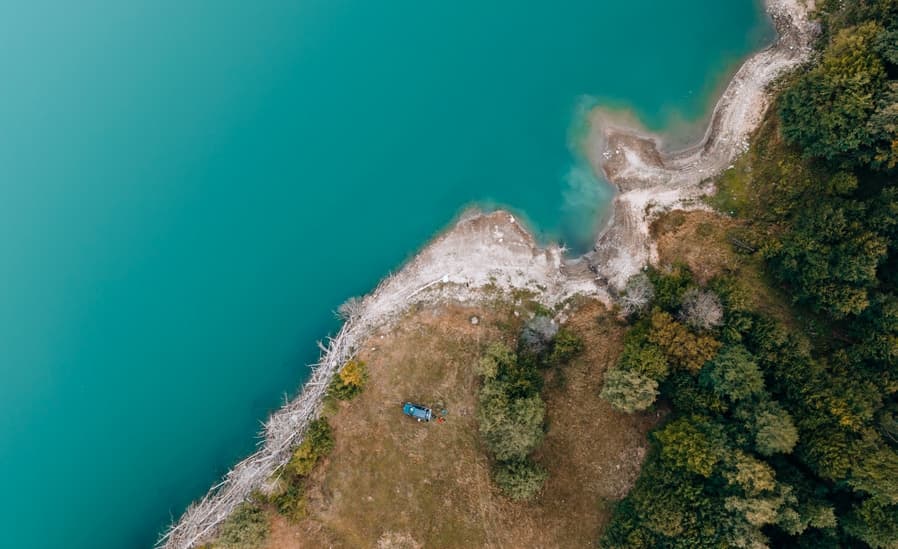
Finding my job in conservation and doing philanthropy has allowed me to feel more stability in my life. It’s given me purpose.”
Has supporting environmental issues changed you, do you think?
Becky: It’s given me purpose. I really lost my purpose in my early 20s, when I realised the situation that my family was in, and that a lot of the things that you normally work towards in your life – i.e. saving for a mortgage, buying a house – I didn’t need to do. That was amazing, but I had to completely rethink. What career trajectory am I on and why? Finding my job in conservation and doing philanthropy has allowed me to feel more stability in my life. I feel I’m doing something good with this position. You can feel a lot of guilt about having this much privilege. People often say, ‘Oh, it’s amazing everything you do,’ and I just think, if I wasn’t doing this: a) it would be bad, and b) this is the minimum that everyone in this position should be doing.
Lauren: Exactly. There was a time where both of us were both just, ‘Oh my gosh, how can we be in this position and not be doing anything?’ Guilty’s not quite the right word, but it sat uncomfortably with us. Thankfully, we found a place to start, which was The Helvellyn Foundation with Dad.
Becky: It doesn’t have to be this huge, overwhelming responsibility, because actually, I work full-time, Lauren works, and we’re still able to do lots of philanthropy and impact investing. It’s enjoyable.
Lauren: We’ve met great people, made new friends, new connections. One thing we can’t not mention is the fact that we’ve always been quite close, but our relationship as sisters is a huge part of this. We talk to each other about this stuff all the time, it’s a big part of our friendship, our sistership. People often ask what our advice would be and I say, ‘Get a sister!’ Which is obviously a joke, but – find somebody.
Becky: It’s very emotional. It’s not just money, it’s legacy and life and purpose. These are big topics that it’s nice to be able to discuss with someone. It’s not something you can do with the average investment manager; they’d be like, ‘What the hell are you on about?’
Also, thank you to EFN, which has almost felt like another sister in the background that you can always lean into. In the early days they really helped me gain my confidence in what I was doing and meet a lot of really useful people.

Interviews
Nick Oldridge
Individual Donor
A donor sees the need for a different type of climate communications
Sonal Sachdev Patel
CEO, GMSP Foundation
A family supporting the grassroots.
Ben Goldsmith
Chair, Conservation Collective; Trustee, Children’s Investment Fund Foundation
A lifetime championing nature
Eli Manderson Evans
CEO, Blagrave Trust
A youth funder recognises the urgent need to address climate change
Leonie Taylor
Trustee, Taylor Family Foundation, and individual donor
A donor faces the origins of her wealth
Sufina Ahmad
Director, John Ellerman Foundation
A foundation shifts from funding individual issues to focus on systemic change
Lauren Gupta & Becky Holmes
Co-founders (with Bill Holmes), The Helvellyn Foundation
Next generation donors with a passion for wildlife and trust in their partners
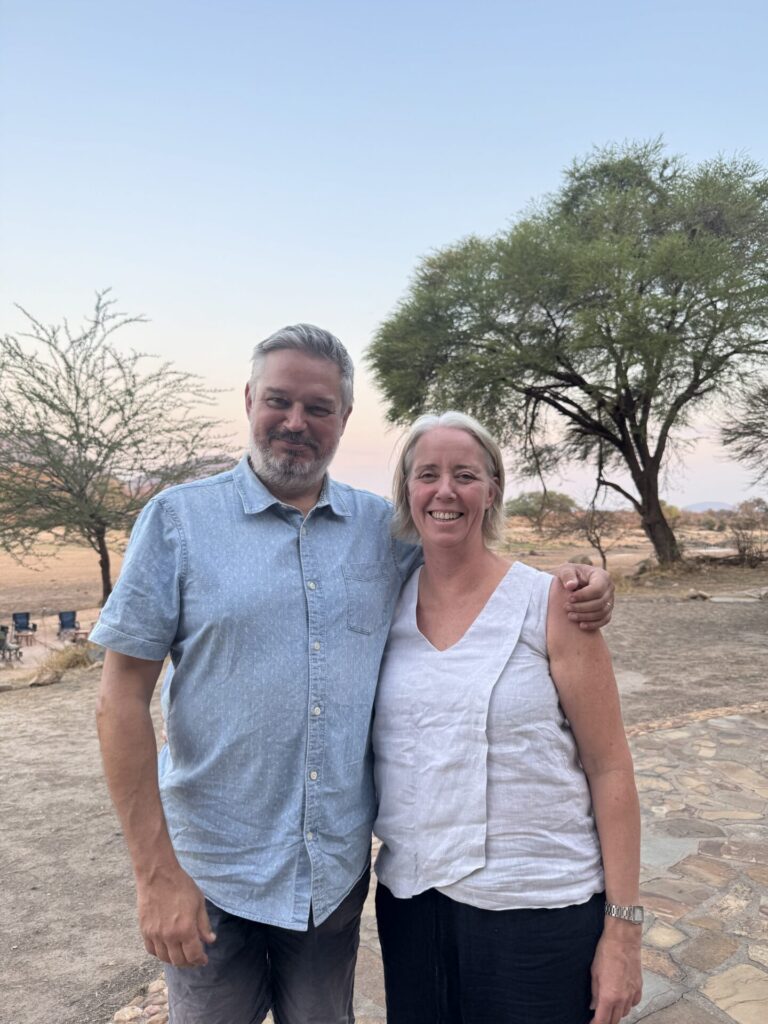
Sophie & Nick Marple
Co-Founders, Gower Street
A couple deploys their wealth to tackle the climate crisis
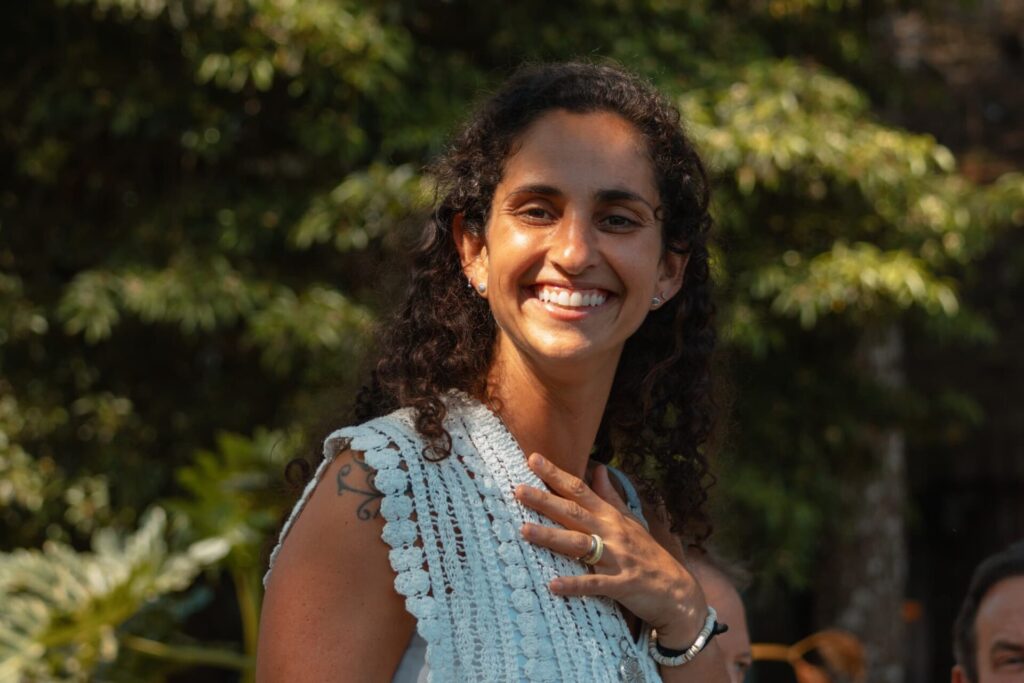
Renata Minerbo
Co-Founder with Seth Tabatznik, Be the Earth Foundation
A family foundation supports the shift to an eco-centric economy
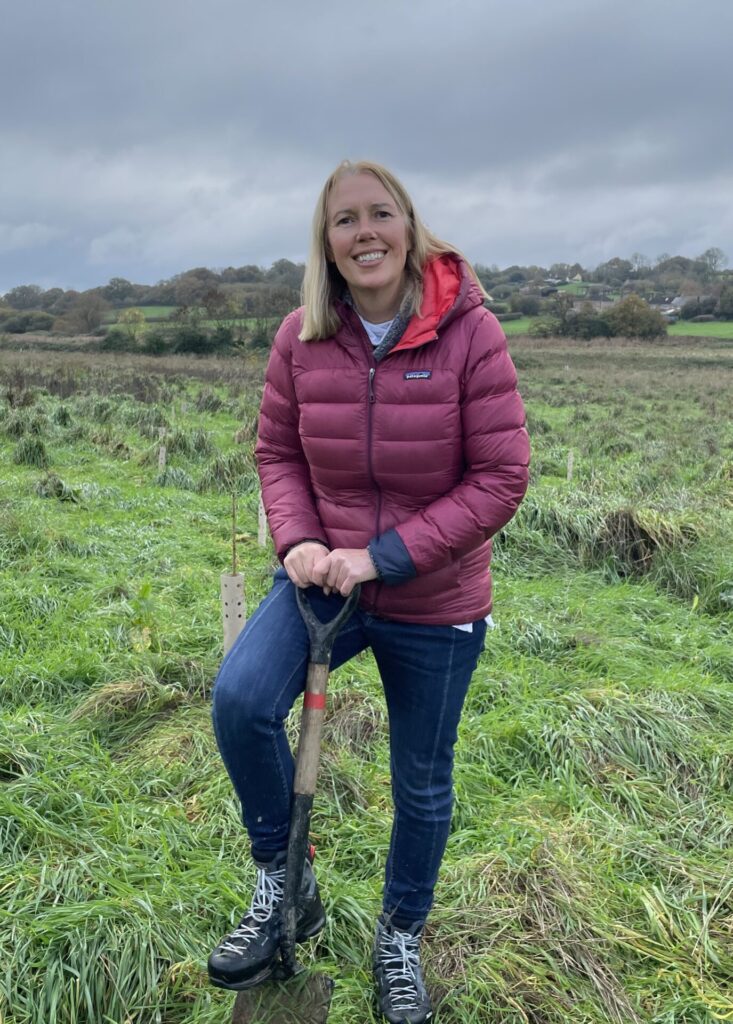
Julia Davies
Founder, We Have The POWER
A donor directs her wealth and legal expertise towards transformative change
Jon Cracknell
Trust Secretary, The Ecology Trust
A long-time funder shares his reflections on where the environment movement is succeeding and what funders could do differently
Christine Oliver
Trust Secretary, Polden-Puckham Charitable Foundation
A foundation spends down its funds to meet the challenge of this moment
William Kenyon
Individual donor
A donor realises that funding what he’s passionate about allows him to stick with it for the long-term
Stephanie & Stuart Mills
Co-Founders, Practical Acts
A couple mobilises the spectrum of their wealth to support the environment
Jessica Sweidan
Co-Founder, Synchronicity Earth
A foundation helps other donors protect life on earth