
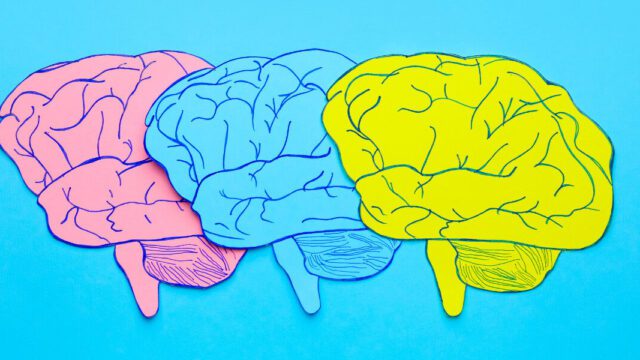
Earlier this year, I had the opportunity to run a workshop on Neurodiversity and Climate for the Environmental Funders Network, following my work with Students Organising for Sustainability and Nifty Sustainability. As a neurodivergent climate justice activist, I am passionate about highlighting the connections between neurodiversity and the urgent work towards environmental justice. This workshop was a space to explore what neurodiversity is, how it intersects with climate advocacy, why it is vital that neurodivergent people in the sector are supported, and how we might reimagine more inclusive ways of working.
Neurodiversity and the workplace
Writing in The Atlantic in 1998, Harvey Blume popularised the word ‘neurodiversity’, saying that ‘Neurodiversity may be every bit as crucial for the human race as biodiversity is for life in general’, a potent reminder of the inseparability of humans from our environments. Neurodiversity refers to the natural variation in human brain function. The term, first coined by Australian sociologist Judy Singer in the 1990s, shifts the focus away from ideas of ‘normal’ and ‘abnormal’ brains, and toward understanding, respecting and celebrating the full range of cognitive experiences. Terms like autism, ADHD, dyslexia, dyspraxia, and Tourette’s often fall under the neurodivergent umbrella, and in the UK, it’s estimated that about 1 in 7 people (15-20% of the population) are neurodivergent.
Yet despite these numbers, neurodivergent people remain significantly underrepresented and under-supported in workplaces. The 2023 Chartered Institute of Personnel and Development survey found that one in five neurodivergent employees had faced discrimination at work, and nearly a third felt unable to disclose their neurodivergence to their manager, often due to stigma or fear of career repercussions. The UK Government’s 2024 Buckland Report into Autism and Employment specifically, found that only around 3 in 10 working age autistic disabled people are in employment, compared with around 5 in 10 for all disabled people and 8 in 10 for non-disabled people. Furthermore, autistic people face the largest pay gap of all disability groups, receiving a third less than non-disabled people on average.
Neurodiversity and the climate sector
In the climate sector, where urgency and burnout often dominate our ways of working, this becomes especially relevant. Many neurodivergent people, myself included, are drawn to climate action because of a strong moral drive, deep empathy, and a desire to challenge injustice. But this passion can also lead to cycles of overwork and burnout, especially when the system we’re working within doesn’t accommodate difference.
Last year, I participated in a co-produced research project with Nifty Sustainability collaborating with a group of neurodivergent adults in the climate sector, representative of a spectrum of advocacy from direct action to environmental consulting. Throughout the process, we found that we all shared similar experiences, from the joys and passion, to navigating burnout and barriers. You can watch our workshop, including my interview with Chris Packham on his reflections of being a neurodivergent climate advocate and broader comments on making environmental work accessible, and my reflections. In the workshop, we also spoke about co-production as a more inclusive and empowering way of working by removing hierarchies and making space for lived experience, which helps create deeper knowledge.
Intersectionality and neurodiversity
“Neurodivergent people are often natural system-thinkers, pattern-spotters, and questioners of the status quo. In a world where the current systems are failing both people and the planet, we need more minds that think differently.”
Intersectionality is a crucial theme. Neurodivergence does not exist in isolation, but race, gender, class, and disability all shape how someone experiences the world and how they are treated. For instance, women and people of colour are frequently misdiagnosed or undiagnosed, due to biased diagnostic criteria and stereotypes. These feedback loops mean that many don’t receive the support they need. Neurodivergent women are often misdiagnosed or undiagnosed for a few reasons. Firstly, they are often misdiagnosed with conditions such as anxiety, depression, or bipolar disorder, largely because diagnostic criteria were originally developed around male traits and are outdated – ADHD is diagnosed with a male-to-female ratio of approximately 3:1. Similarly, recent research on neurodivergent people of colour highlights significant barriers to employment opportunities, which are shaped by combined stereotypes of ethnicity and expressions of neurodiversity; employees reported not being fully seen, recognised, understood or supported at work.
Secondly, gender stereotypes can worsen the challenges faced by neurodivergent women. For example, a woman with ADHD might be dismissed as disorganised, while a man with the same traits may be seen as energetic or creative. Lastly, many neurodivergent women mask their traits to conform to social norms and expectations – this constant energy to appear neurotypical can lead to heightened stress, anxiety, and burnout. This has tangible health impacts, as neurodivergent women are more prone to chronic health problems, autoimmune conditions, epilepsy, physical and sensory disabilities, and mental ill health.
Neurodivergent inclusion is not black and white, but needs to be tailored and personal – an outcome that can benefit the whole organisation and movement. Neurodivergent people are often natural system-thinkers, pattern-spotters, and questioners of the status quo. In a world where the current systems are failing both people and the planet, we need more minds that think differently. For me, this looks like supporting creative solutions that address climate and environmental issues in new ways. As President of Exeter Students’ Guild, my initial ‘£2 meal deal’ idea, transformed into a reality and provided affordable, plant based meals for students – addressing both a social, economic and sustainability issue through one inventive solution.
During the EFN training workshop, we looked at how structural barriers, not personal limitations, are what often exclude neurodivergent people from climate spaces. We discussed how neuro-inclusive design – from how we run events, to how we structure work practices, to how we communicate, can make climate work more sustainable, not just environmentally, but emotionally and socially too.
What can environmental funders and NGOs do?
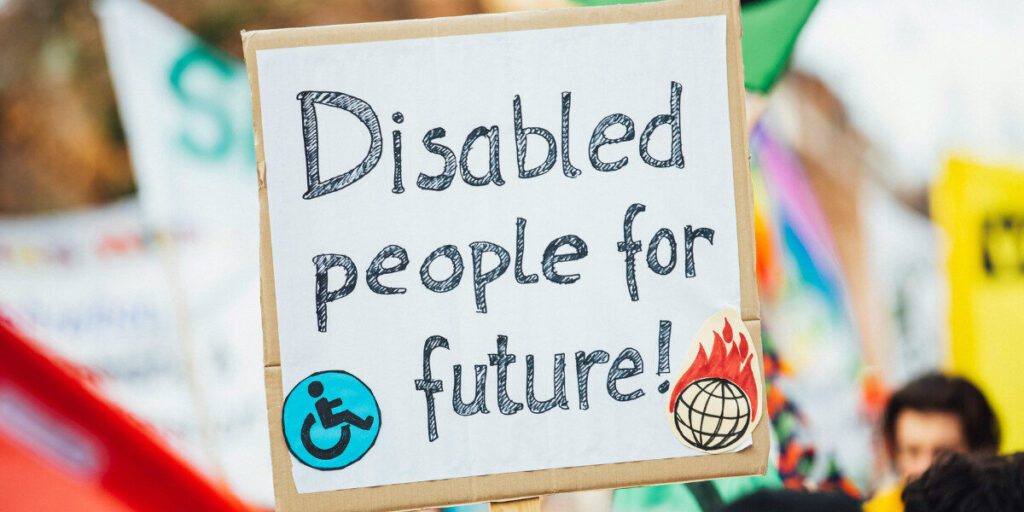
Accessibility isn’t optional. Neurodivergence can be included in funding priorities, recruitment processes and by normalising inclusive working practices.
For events, consider how the day is structured, whether social activities are inclusive and how people are able to contribute. While accessibility requirements are personal, many solutions and adjustments benefit everyone (indeed, like many solutions to the climate crisis will benefit our lives right now – efficient public transport, access to green spaces, etc!). Speak to disabled, and neurodivergent employees and consultants in planning bigger scale events and practices – as the famous disability rights slogan says, ‘nothing about us without us’.
Something I have faced – especially as a young person – is the expectation that because I care deeply, I will give my expertise and lived experience for free. But we are all in this together and for a truly inclusive world, it takes able-bodied folk to step up too – and that includes paying for the work of disabled people. Funding co-produced work, supporting non-traditional leaders, and asking neurodivergent people what they need, instead of assuming, are just a few more actions.
We often talk about sustainability in terms of the planet, but if our movements and working practices aren’t sustainable for the people within them, we are missing the point of climate justice.
Further resources and about the workshop
Neurodiversity, climate and environmental justice workshop
This workshop is designed for organisations and groups in the climate and environment sector to provide an introduction to neurodiversity and neurodivergence, explore the intersections between neurodiversity and environmentalism, and provide practical suggestions of ways to make workplaces and campaign groups neuroinclusive. Contact Emma on emdesaram@gmail.com, or reach out on her LinkedIn.
Neurodiversity
Neurodiversity in the workplace
Neurodiversity and climate
- How neurodiversity can impact climate action – Bulletin
- The Untapped Value of Neurodiversity in a Climate Crisis — Thrive Mind | Impact and inclusion consulting
- ‘Intrinsically connected’: how human neurodiversity could help save nature | Biodiversity | The Guardian
Intersectionality
- Neurodiversity and Intersectionality – Daisy Chain
- When Neurodiversity and Ethnicity Combine: Intersectional Stereotyping and Workplace Experiences of Neurodivergent Ethnic Minority Employees 2025
- Is neurodiversity a Global Northern White paradigm?